We're loading the full news article for you. This includes the article content, images, author information, and related articles.
Over two million Kenyans in arid lands face acute hunger as meteorologists predict the severe drought will intensify into early 2026, crippling livelihoods and straining national resources.
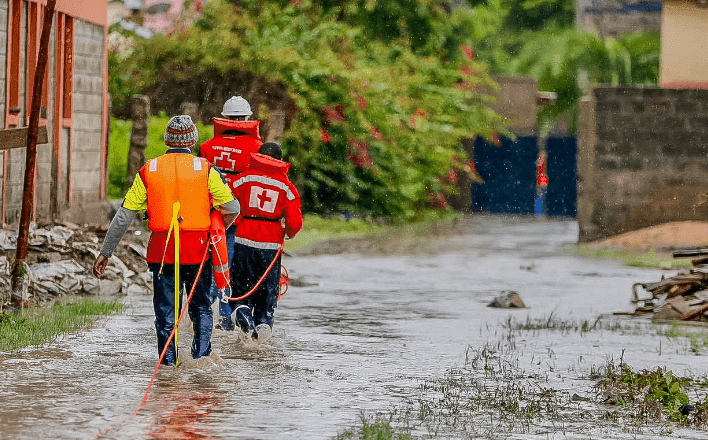
A devastating drought, driven by one of the worst October-to-December rainy seasons on record, is tightening its grip across Kenya’s vast arid lands, pushing millions to the brink of a hunger crisis.
The National Drought Management Authority (NDMA) has issued a stark warning, confirming that the situation in the Arid and Semi-Arid Lands (ASALs) is rapidly deteriorating. This crisis, fueled by a potent mix of La Niña conditions and warmer-than-average temperatures, threatens to unravel the fragile recovery made by pastoralist communities since the last major drought, putting food on the table and the future of an entire generation at risk.
The impact is most severe in the north and east. The NDMA has officially placed seven counties—including Mandera, Wajir, Garissa, and Tana River—on a formal drought alert. In Mandera, a county on the frontlines, over 95% of surface water sources have vanished, forcing families to depend entirely on a dwindling number of overstretched boreholes.
The Famine Early Warning Systems Network (FEWS NET) projects that at least 2.1 million people will face crisis levels of food insecurity by January 2026. “Without immediate support, vulnerable families risk sliding into life-threatening conditions,” Mandera Governor Mohamed Adan Khalif warned in a recent statement, highlighting a staggering KES 1.07 billion funding gap for water services alone.
The human cost is mounting in tangible ways:
Meteorological reports offer no immediate relief. The Kenya Meteorological Department forecasts that the dry, hot conditions will persist and intensify through February 2026. This prolonged dry spell will accelerate the depletion of any remaining rangeland resources, further suppressing livestock productivity and milk production—a staple for children’s nutrition in pastoralist homes.
The Council of Governors has sounded the alarm, calling for the urgent establishment of strategic reserves for grain and livestock feed to cushion communities from the escalating disaster. “We cannot wait for livestock to perish before we act,” noted Ahmed Abdullahi, the Council’s chair. While the national government has stated it is intensifying relief efforts, the scale of the crisis threatens to outpace the available resources.
As Kenya stares down another climate-driven catastrophe, the resilience of its most vulnerable citizens is being tested once more. The decisions made in the coming weeks, from corridors of power in Nairobi to the dusty plains of Turkana, will determine whether millions of people simply survive or are given a chance to build a more secure future.
Keep the conversation in one place—threads here stay linked to the story and in the forums.
Sign in to start a discussion
Start a conversation about this story and keep it linked here.
Other hot threads
E-sports and Gaming Community in Kenya
Active 9 months ago
The Role of Technology in Modern Agriculture (AgriTech)
Active 9 months ago
Popular Recreational Activities Across Counties
Active 9 months ago
Investing in Youth Sports Development Programs
Active 9 months ago
Key figures and persons of interest featured in this article