We're loading the full news article for you. This includes the article content, images, author information, and related articles.
Drought pushes 2.5 million Kenyans to the brink of starvation, with livestock wiped out and malnutrition soaring in ten counties classified in the "Alarm" phase.
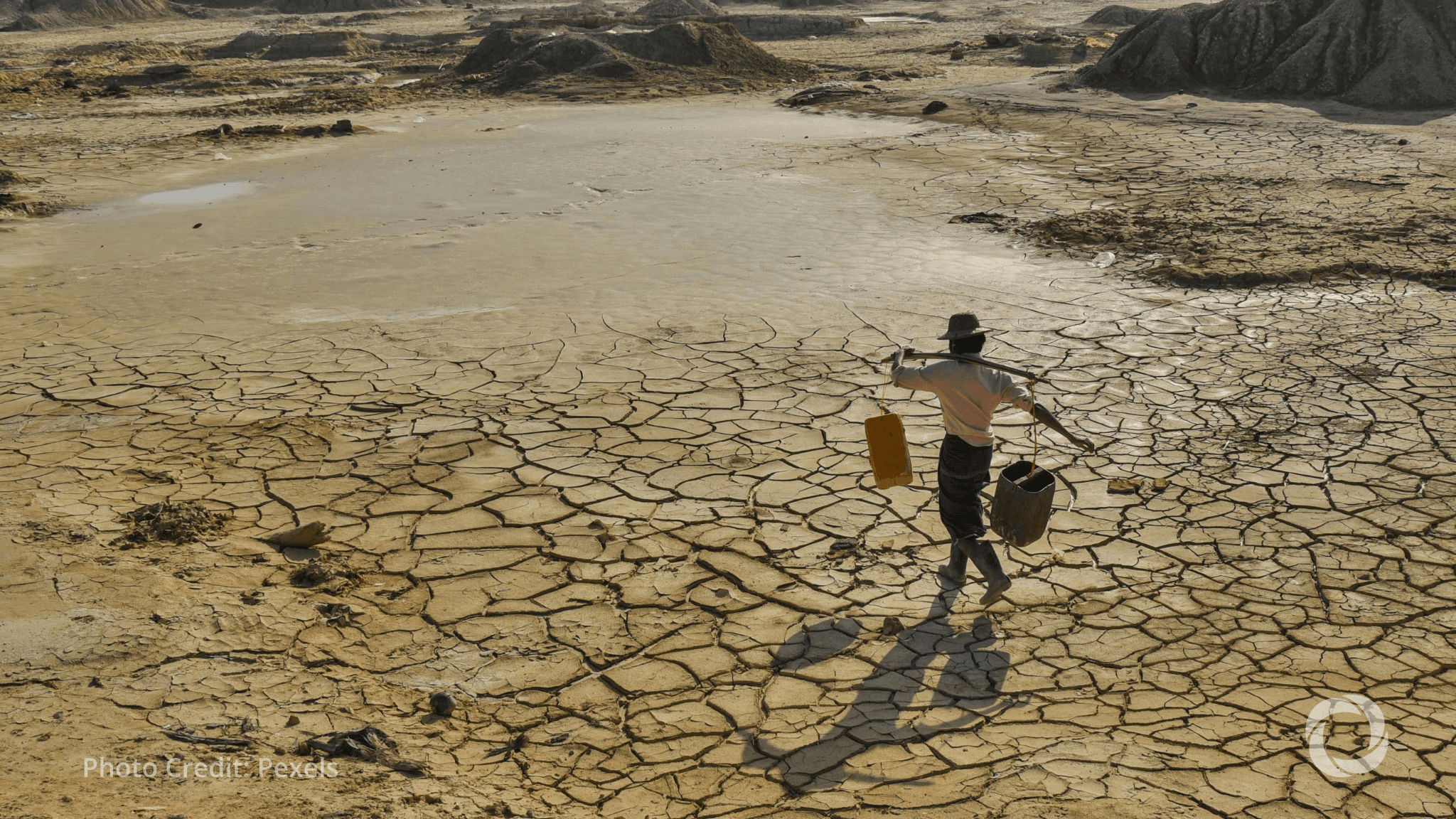
The stench of death hangs heavy over the plains of Marsabit and Wajir, where carcasses of livestock litter the parched earth. As the National Drought Management Authority (NDMA) raises the red flag, a humanitarian catastrophe is unfolding: over 2.5 million Kenyans are now facing acute hunger, and pastoralists warn that after the animals die, their children are next.
This is not just a dry spell; it is a climate-induced siege. The failure of the October-December short rains has pushed ten counties into the "Alarm" phase of drought classification. Water pans have turned into dust bowls, and boreholes are pumping air. In Turkana alone, an estimated 60% of the cattle herds have been wiped out, stripping families of their only bank account and source of nutrition.
"I had 50 cows in 2024. Today, I have three, and they cannot stand up," says Ekai Lomanat from a village near Lodwar. His story is echoed across the Arid and Semi-Arid Lands (ASALs). The price of a cow has crashed from KSh 40,000 to a pitiful KSh 1,500—if you can find a buyer. Conversely, maize prices have skyrocketed, creating a "terms of trade" crisis where a herder must sell an entire goat just to buy 2kg of maize flour.
The NDMA report paints a grim picture of malnutrition rates soaring above emergency thresholds. Global Acute Malnutrition (GAM) rates in Mandera North are hovering at 28%, nearly double the World Health Organization's emergency threshold of 15%. Aid agencies are overwhelmed, with the Kenya Red Cross calling for urgent intervention before the situation devolves into famine.
While the government points to climate change, critics point to systemic neglect. Billions of shillings allocated for drought mitigation, dams, and irrigation projects remain unaccounted for in the Auditor General's reports. The "Equalisation Fund," meant to bring these marginalized counties up to speed, has been mired in bureaucracy.
President Ruto has ordered the release of KSh 2 billion for emergency food relief and water trucking, but local leaders say it is a drop in the ocean. "We don't need relief food every two years; we need water infrastructure," shouted a furious MP from Wajir during a parliamentary session. As the vultures circle the carcasses in the north, the silence from the rest of the country is deafening. For 2.5 million Kenyans, the question is not if aid will come, but if it will arrive before they bury their children.
Keep the conversation in one place—threads here stay linked to the story and in the forums.
Sign in to start a discussion
Start a conversation about this story and keep it linked here.
Other hot threads
E-sports and Gaming Community in Kenya
Active 9 months ago
The Role of Technology in Modern Agriculture (AgriTech)
Active 9 months ago
Popular Recreational Activities Across Counties
Active 9 months ago
Investing in Youth Sports Development Programs
Active 9 months ago