We're loading the full news article for you. This includes the article content, images, author information, and related articles.
Abraham Kirwa survived a heart attack only after fleeing Nairobi for Dubai. His recovery abroad raises a terrifying question: If a lawmaker is served chalk instead of cures, is anyone safe?
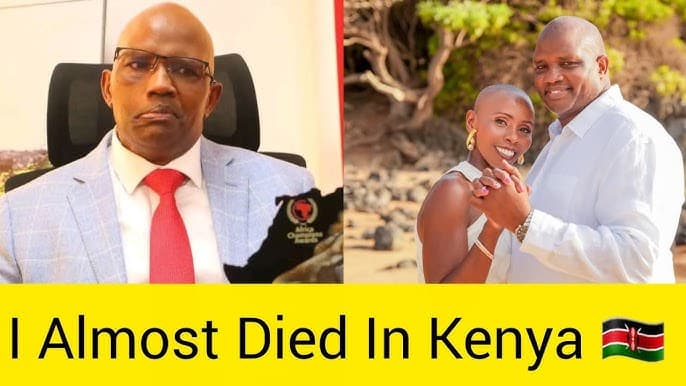
Mosop MP Abraham Kirwa stared death in the face last month—not merely from the massive heart attack that felled him, but allegedly from the very treatment meant to save him in a Nairobi hospital. Lying in a VIP ward, his body failing despite a cocktail of expensive drugs, Kirwa was not fighting a disease; he was fighting a system.
It was only after an emergency medical evacuation to Dubai, and later the United States, that the terrifying reality dawned. As his vitals stabilized within hours of landing abroad, a foreign specialist offered a chilling explanation for his miraculous turnaround: “We are giving you real medicine.”
The ordeal began in the capital, where Kirwa was rushed after suffering a cardiac arrest. Despite being admitted to a top-tier facility, his condition deteriorated rapidly. Family members watched in horror as the lawmaker, usually a vocal presence in the National Assembly, faded away.
Reports indicate that the MP faced not just medical incompetence but a suspected refusal by local staff to administer necessary life-saving protocols. However, the most damning indictment came from the drugs themselves. The medication pumped into his veins in Nairobi appeared to have zero effect, a hallmark of the counterfeit pharmaceuticals that silently kill thousands of Kenyans annually.
Upon arrival in Dubai, the contrast was immediate. The same condition that baffled Nairobi doctors was brought under control with standard protocols. The implication of the doctor's comment—“real medicine”—is that Kirwa had been receiving sub-standard or entirely fake compounds in Kenya.
Kirwa’s survival is a miracle, but it is also a crime scene. If a Member of Parliament, with access to the best medical insurance and facilities the country can offer, is vulnerable to fake drugs, the safety of the common mwananchi is non-existent. This incident forces a hard look at the supply chains supplying our hospitals.
Analysts warn that this is not an isolated case of negligence but a symptom of a regulatory rot. "When you buy medicine in Nairobi, you are increasingly buying hope, not science," notes a public health safety advocate. "Kirwa’s story is just the one we heard because he lived to tell it."
As Kirwa recovers, his return to Parliament is expected to trigger a fierce inquiry into the Pharmacy and Poisons Board and hospital procurement standards. For now, the message to Kenyans is grim: in our hospitals, getting "real medicine" is no longer a guarantee—it is a luxury.
Keep the conversation in one place—threads here stay linked to the story and in the forums.
Sign in to start a discussion
Start a conversation about this story and keep it linked here.
Other hot threads
E-sports and Gaming Community in Kenya
Active 9 months ago
The Role of Technology in Modern Agriculture (AgriTech)
Active 9 months ago
Popular Recreational Activities Across Counties
Active 9 months ago
Investing in Youth Sports Development Programs
Active 9 months ago