We're loading the full news article for you. This includes the article content, images, author information, and related articles.
Residents in Kano, Nigeria, are grappling with an unprecedented shortage of eggs during the holy month of Ramadan, a critical staple for Iftar, mirroring broader agricultural supply chain crises.
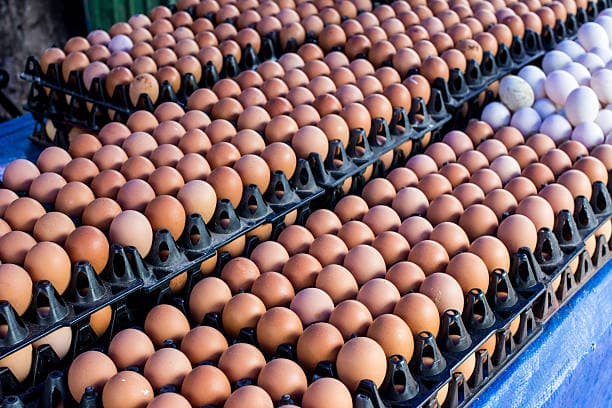
Residents in Kano, Nigeria, are grappling with an unprecedented shortage of eggs during the holy month of Ramadan, a critical staple for Iftar, mirroring broader agricultural supply chain crises and food inflation that are acutely resonating with consumers across Kenya and East Africa.
As the faithful in Kano State observe the sacred month of Ramadan, a pressing dietary and economic crisis has cast a shadow over the daily rituals of fasting and community.
An acute scarcity of eggs, a vital and usually ubiquitous component of the evening Iftar meal, has left markets depleted, prices soaring, and households scrambling to find affordable alternatives.
In areas such as Kabuga and the bustling Tudun Yola quarters, the absence of eggs is profoundly felt. For millions of Muslims, eggs provide an essential, accessible source of protein necessary to replenish the body after a long day of fasting. They are deeply integrated into local culinary traditions, featured in various dishes that signify the breaking of the fast. The sudden barrenness of crates across major markets has not only disrupted these traditions but also highlighted the fragility of urban food supply networks in the face of systemic agricultural challenges.
The scarcity has inevitably triggered a dramatic surge in prices for the few eggs available, pushing them beyond the reach of the average consumer. This inflationary spike adds a significant burden to families already navigating a challenging economic environment, forcing them to compromise on nutritional quality during a period that demands physical sustenance. The situation underscores the direct, immediate impact of agricultural supply chain disruptions on daily life and cultural practices.
The egg shortage in Kano is not an isolated phenomenon but rather the symptom of a broader, compounding crisis within the poultry sector. Industry experts point to a confluence of detrimental factors that have severely crippled production capacity across the region.
Foremost among these challenges is the astronomical rise in the cost of poultry feed. Driven by global supply chain bottlenecks and localized macroeconomic instability, the price of essential grains has skyrocketed, rendering large-scale poultry farming economically unviable for many producers. Furthermore, recurrent outbreaks of avian influenza have decimated flocks, forcing farmers to cull thousands of birds and further constricting the supply pipeline. The combination of high operational costs and disease risk has forced many small and medium-scale farmers to abandon the trade entirely.
The crisis unfolding in northern Nigeria resonates deeply with the economic realities facing consumers in Kenya and the broader East African region. The fundamental drivers of food inflation are alarmingly similar, creating a shared experience of economic hardship among the working and middle classes.
The Kano egg crisis serves as a stark warning about the vulnerability of regional food systems to external shocks and internal structural weaknesses.
Addressing these complex challenges requires a multifaceted approach from both governments and private sector stakeholders. Short-term relief measures, such as targeted subsidies for poultry feed or the facilitation of emergency imports, may be necessary to alleviate immediate price pressures during critical periods like Ramadan.
However, the long-term solution lies in building resilience within the agricultural sector. This entails significant investments in local feed production capacity, enhanced veterinary services to mitigate disease outbreaks, and the adoption of climate-smart agricultural practices. Without these foundational reforms, food insecurity will remain a persistent threat.
As families in Kano seek alternatives for their Iftar meals, their struggle stands as a poignant reminder of the urgent need to secure the fundamental pillars of food sovereignty across the African continent.
Keep the conversation in one place—threads here stay linked to the story and in the forums.
Sign in to start a discussion
Start a conversation about this story and keep it linked here.
Other hot threads
E-sports and Gaming Community in Kenya
Active 9 months ago
The Role of Technology in Modern Agriculture (AgriTech)
Active 9 months ago
Popular Recreational Activities Across Counties
Active 9 months ago
Investing in Youth Sports Development Programs
Active 9 months ago