We're loading the full news article for you. This includes the article content, images, author information, and related articles.
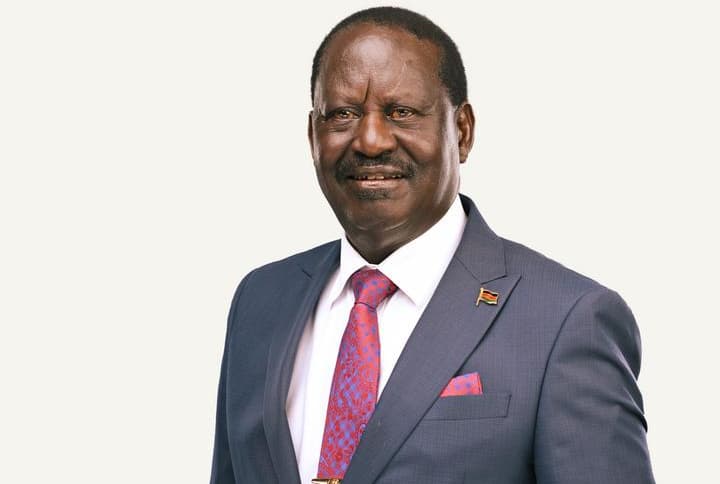
Nominated Senator Hamida Kibwana reflects on the late Raila Odinga’s deliberate efforts to shatter glass ceilings within the ODM and the broader Kenyan political landscape.
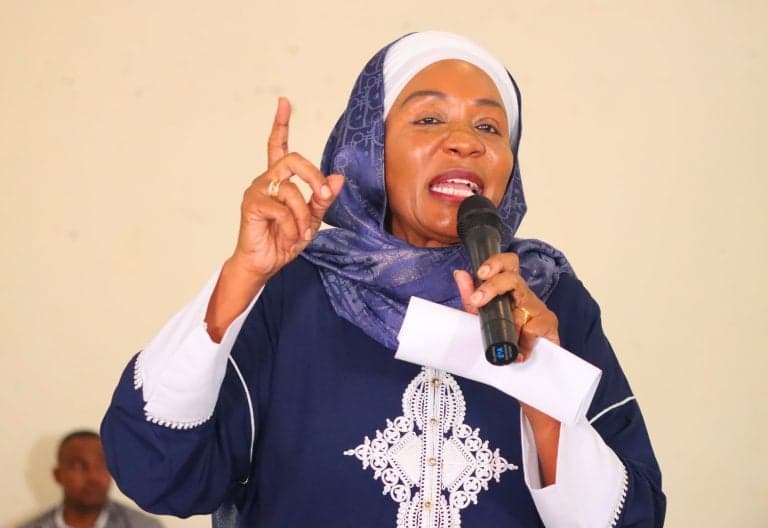
Nominated Senator Hamida Kibwana reflects on the late Raila Odinga’s deliberate efforts to shatter glass ceilings within the ODM and the broader Kenyan political landscape.
The late Raila Odinga did more than preach gender parity; he operationalized it as a core pillar of the Orange Democratic Movement (ODM). In a recent public tribute, Nominated Senator Hamida Kibwana recounted how Odinga’s vision for an inclusive party was not merely rhetorical, but a calculated strategy that transformed the trajectory of women in Kenyan politics.
His approach moved beyond tokenism, transforming the political landscape by mentoring and positioning women leaders to ascend in a traditionally patriarchal environment. For Senator Kibwana, the former Prime Minister was the architect who saw potential where others saw only traditional limitations, fundamentally altering the fabric of ODM's internal democracy.
Raila Odinga’s commitment to women was deeply structural. Recognizing that inclusivity requires more than political goodwill, he pushed for internal party mechanisms that prioritized merit and representation. Kibwana notes that under his leadership, ODM did not just advocate for the constitutional two-thirds gender rule; it implemented internal party policies—such as direct nomination incentives for women polling over 50 percent—that catalyzed a generation of female leaders.
The impact of this institutional design has been profound. From the corridors of County Assemblies to the National Assembly, the "Raila effect" on gender representation is quantifiable. This legacy is not confined to ODM; it has set a standard for other parties seeking to align with the evolving demands of the Kenyan electorate.
As the nation reflects on his life, the question remains: how will ODM maintain this momentum without its primary benefactor? Senator Kibwana emphasizes that the challenge for current party leadership is to ensure the institutional frameworks Odinga built remain robust. Gender empowerment can no longer rely on the patronage of one leader; it must be ingrained in the party's operational DNA.
The political space for women is expanding, but the path remains arduous. The legacy of leaders like Odinga serves as a blueprint for the next generation. For those currently navigating the complexities of Kenyan politics, the lesson is clear: meaningful change requires the courage to challenge established hierarchies and the patience to build systems that outlast individuals.
The measure of Raila Odinga's success will not be found in the statues erected in his honor, but in the continued rise of women leaders who, like Senator Kibwana, serve as living testament to his vision of a more equitable society. His influence has created a irreversible wave of change that continues to shape the national discourse on governance and equity.
Keep the conversation in one place—threads here stay linked to the story and in the forums.
Sign in to start a discussion
Start a conversation about this story and keep it linked here.
Other hot threads
E-sports and Gaming Community in Kenya
Active 9 months ago
The Role of Technology in Modern Agriculture (AgriTech)
Active 9 months ago
Popular Recreational Activities Across Counties
Active 9 months ago
Investing in Youth Sports Development Programs
Active 9 months ago
Key figures and persons of interest featured in this article