We're loading the full news article for you. This includes the article content, images, author information, and related articles.
The Public Prosecutor’s Office at the Rabat Court of First Instance has issued a statement denying rumors circulating about an “unjustified delay” in proceedings.
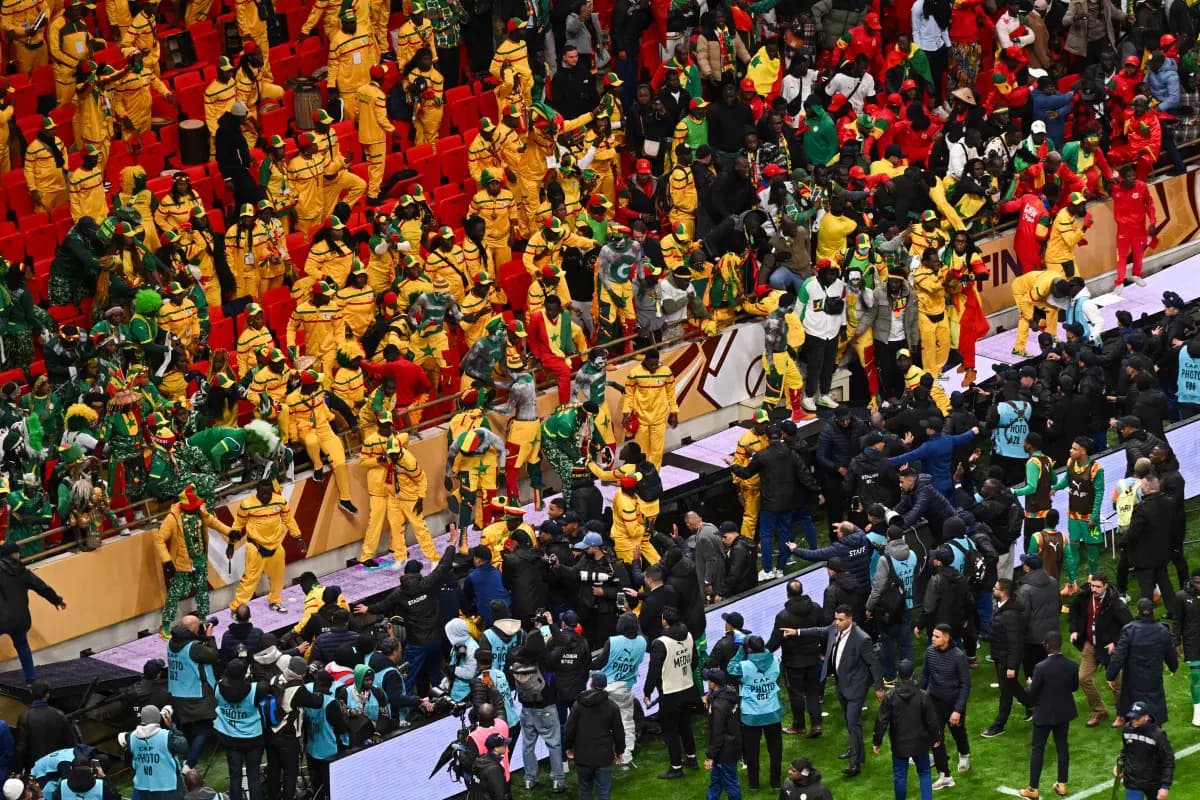
The Public Prosecutor's Office at the Rabat Court of First Instance has categorically denied rumors of an unjustified delay in the trial of 18 Senegalese football fans arrested for hooliganism following the 2025 AFCON final.
The legal fallout from the highly charged 2025 Africa Cup of Nations final continues to dominate headlines as the Moroccan justice system defends its handling of detained foreign nationals.
This clarification is critical because the spreading rumors of mistreatment and legal stonewalling threaten to severely strain the historically strong diplomatic relationship between Morocco and Senegal, overshadowing the spirit of Pan-African sporting unity.
Following the intense and highly emotional AFCON final between Morocco and Senegal last month, 18 Senegalese supporters were apprehended by authorities for alleged acts of extreme hooliganism and property destruction. As the legal proceedings commenced, a wave of unverified reports swept through international media, alleging that the Moroccan courts were intentionally stalling the trial, denying the accused fundamental legal rights, and refusing to provide basic linguistic assistance. The Public Prosecutor’s Office in Rabat has now issued a robust, detailed statement completely debunking these highly inflammatory claims.
According to the official judicial release, the court has meticulously adhered to all tenets of international law. The statement clarified that the recent postponement of the hearing to late February 2026 was explicitly requested by the defense team, not imposed by the state. The delay was granted to allow a lawyer registered with a Bar Association in France adequate time to prepare the defense and physically travel to the jurisdiction. The authorities firmly maintain that the legal process is proceeding as efficiently as possible, prioritizing fairness and due process over a rushed, politically expedient verdict.
Addressing the highly sensitive claims regarding communication barriers, the court emphatically stated that a sworn French-language interpreter was present during the proceedings, a language universally understood by the defendants. Furthermore, going above and beyond standard legal requirements, the Moroccan authorities coordinated closely with the Deputy Consul of Senegal to provide a specialized interpreter fluent in Wolof, the defendants' mother tongue, ensuring absolute clarity and comprehensive understanding of the serious charges leveled against them.
The prosecutor's office also addressed the concerning rumors of a mass hunger strike among the detainees. The official statement categorically denied these allegations as entirely unfounded fabrications, confirming that the suspects are receiving their meals regularly and are being held in conditions that strictly comply with all international human rights standards.
While this specific incident occurred in North Africa, the issue of sports-related violence and the subsequent legal treatment of foreign nationals resonates deeply across the entire continent, including East Africa. Football is a powerful, unifying force, but intense nationalism can frequently boil over into destructive behavior. Kenyan and East African sporting federations are closely observing how the Moroccan justice system handles this delicate situation, as it sets a clear precedent for maintaining law and order during major regional tournaments.
Furthermore, the incident highlights the critical importance of robust consular services for citizens traveling abroad for sporting events. The active involvement of the Senegalese diplomatic mission in securing appropriate legal and linguistic support serves as a vital blueprint for East African embassies tasked with protecting the rights of their own citizens facing complex legal challenges in foreign jurisdictions.
The international community, human rights organizations, and football federations await the resumption of the highly publicized trial.
The Moroccan courts face the monumental task of delivering undeniable justice for the acts of hooliganism while simultaneously demonstrating absolute procedural transparency to maintain diplomatic harmony.
"The integrity of the judicial process must remain entirely immune to the fervent passions and rampant rumors generated by the beautiful game."
Keep the conversation in one place—threads here stay linked to the story and in the forums.
Sign in to start a discussion
Start a conversation about this story and keep it linked here.
Other hot threads
E-sports and Gaming Community in Kenya
Active 9 months ago
The Role of Technology in Modern Agriculture (AgriTech)
Active 9 months ago
Popular Recreational Activities Across Counties
Active 9 months ago
Investing in Youth Sports Development Programs
Active 9 months ago