We're loading the full news article for you. This includes the article content, images, author information, and related articles.
PwC is exploring a potential sale and turnaround strategy for KOKO Networks amidst financial restructuring.
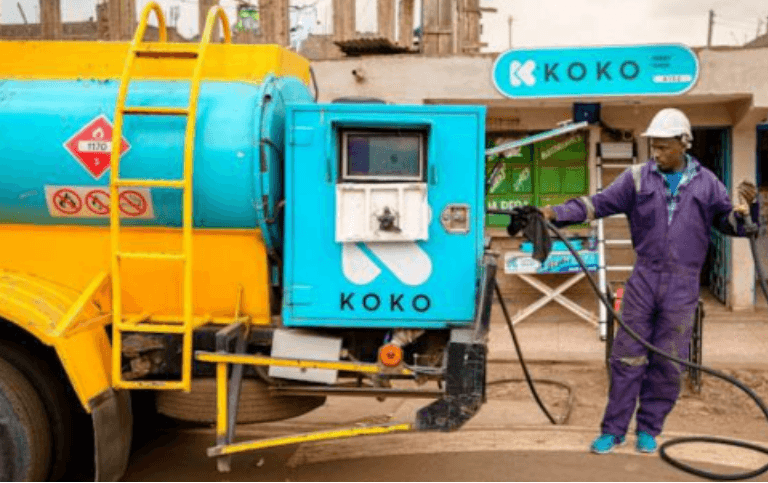
The landscape of clean energy in East Africa is experiencing seismic tremors. PricewaterhouseCoopers (PwC) has officially initiated market testing for a comprehensive turnaround plan, or a potential outright sale, of the prominent bio-ethanol cooking fuel distributor, KOKO Networks.
This development is a watershed moment for the African climate-tech sector. KOKO Networks, which has absorbed over $300 million (approx. KES 38.7 billion) in investments, was long heralded as the poster child for sustainable urban energy solutions. The company's current financial pivot raises critical questions about the long-term viability and capitalization models of heavily subsidized green ventures operating in emerging markets.
KOKO Networks revolutionized the Kenyan cooking fuel market by deploying high-tech, automated bio-ethanol dispensers across thousands of neighborhood kiosks. By offering a cleaner, cheaper alternative to charcoal and kerosene, the company rapidly acquired a massive customer base in Nairobi and Mombasa. However, sustaining this expansive infrastructure required immense capital burn, heavily reliant on carbon credit revenues and continuous venture capital injections.
As global carbon markets experience unprecedented volatility and scrutiny, KOKO's heavily subsidized business model has come under intense pressure. PwC has been brought in to navigate this delicate situation, tasked with identifying strategic investors capable of stabilizing the balance sheet or restructuring the company's operations to achieve elusive profitability without abandoning its massive user base.
The turnaround strategy being shopped by PwC involves a multifaceted approach to streamline operations and enhance revenue streams. The objective is to transition KOKO from a growth-at-all-costs startup to a financially self-sustaining utility provider.
The outcome of this market testing will be closely monitored by global climate investors. A successful turnaround could blueprint a sustainable path for similar ventures, while a distressed sale might chill future investments in African green-tech hardware.
For hundreds of thousands of Kenyan families, KOKO is not just a company; it is an essential daily utility. Any disruption to the supply or significant spike in the price of bio-ethanol threatens to drive these households back to environmentally degrading and health-hazardous fuels like charcoal.
The Kenyan government, which has championed clean cooking initiatives, is undoubtedly keeping a close watch. Ensuring the continuity of KOKO's services is paramount to meeting the nation's ambitious forestry and public health targets.
"The true test of innovation is not just disruption, but endurance; the market will soon dictate if KOKO's vision can withstand the harsh realities of economic sustainability," an energy sector analyst observed.
Keep the conversation in one place—threads here stay linked to the story and in the forums.
Sign in to start a discussion
Start a conversation about this story and keep it linked here.
Other hot threads
E-sports and Gaming Community in Kenya
Active 9 months ago
The Role of Technology in Modern Agriculture (AgriTech)
Active 9 months ago
Popular Recreational Activities Across Counties
Active 9 months ago
Investing in Youth Sports Development Programs
Active 9 months ago