We're loading the full news article for you. This includes the article content, images, author information, and related articles.
Kenyan motorists and households breathe a collective sigh of relief as the energy regulator announces significant price reductions, signaling a potential easing of the cost-of-living crisis.
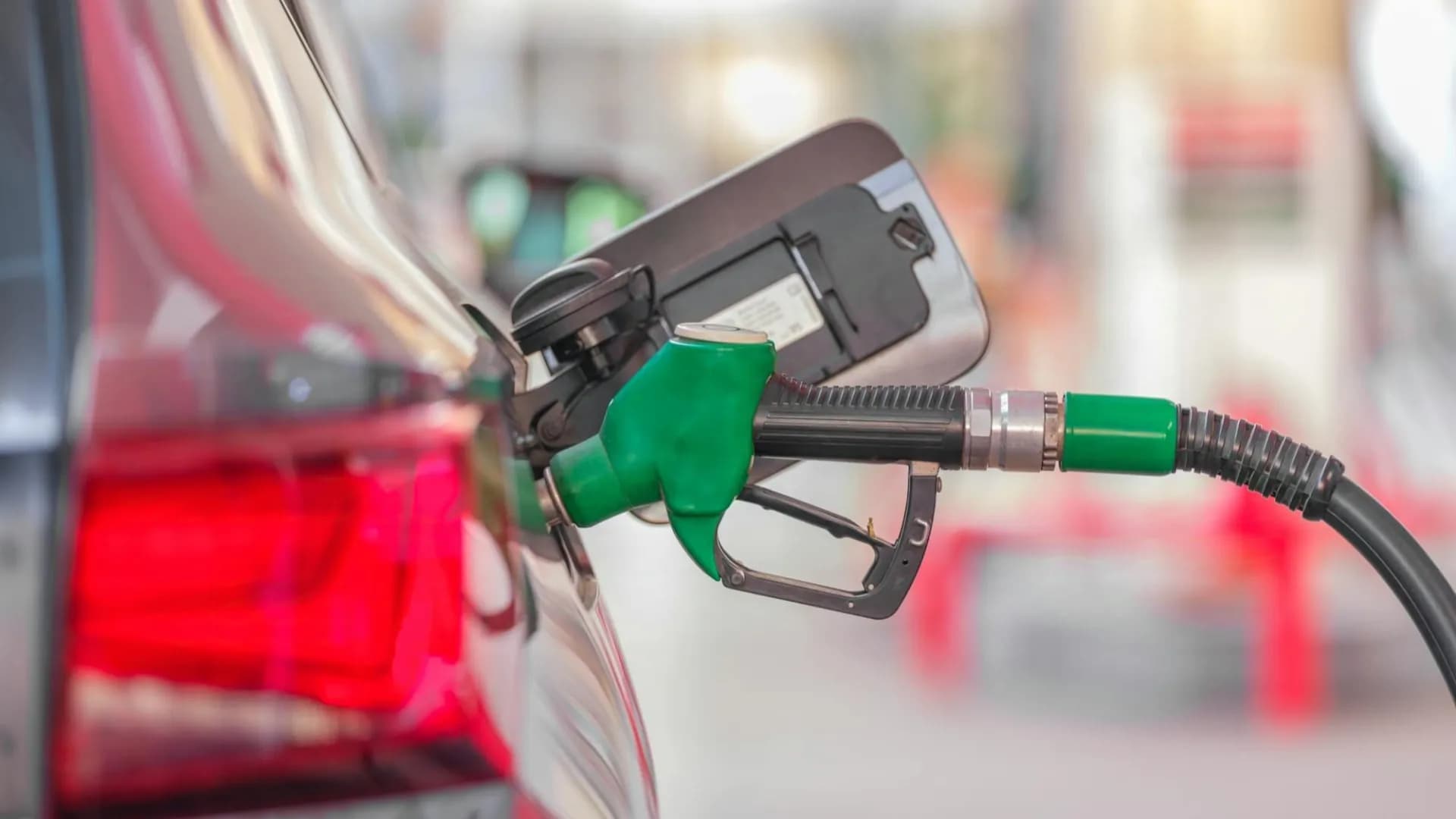
Kenyan motorists and households have received a significant Valentine’s Day gift as the energy regulator announces a major reduction in fuel prices, signaling a potential turning point in the country’s battle against the high cost of living.
The reprieve that millions of Kenyans have been waiting for has finally arrived. In a midnight directive that ripples across every sector of the economy, the Energy and Petroleum Regulatory Authority (EPRA) has slashed the retail prices of fuel, offering a tangible sign that the macroeconomic turbulence of recent years may be subsiding. The reduction, effective from midnight tonight, is not merely a statistical adjustment; it is a lifeline for an economy that runs on diesel and households that depend on kerosene.
For months, the trajectory of fuel prices has been the single most contentious metric in Kenyan public discourse. It drives the cost of the morning commute, the price of unga on the shelves, and the profit margins of every business from Jua Kali workshops to Nairobi Stock Exchange-listed giants. This latest review, covering the period from February 15 to March 14, 2026, marks the most significant downward revision in recent memory, a move the government attributes to a stabilizing currency and favorable global market dynamics.
According to the latest EPRA review, the maximum retail price for Super Petrol has been reduced by KSh 4.24 per litre. Diesel, the lifeblood of the transport and manufacturing sectors, sees a reduction of KSh 3.93 per litre, while Kerosene, crucial for lighting and cooking in low-income households, drops by KSh 1.00 per litre.
In the capital, Nairobi, the new reality at the pump looks like this:
EPRA Director General Daniel Kiptoo Bargoria explained that the relief is directly linked to a drop in the landed cost of imported refined petroleum products. "In January 2026, the average landed cost of Super Petrol decreased by 2.69% to US$576.34 per cubic metre," he noted. Similarly, the landed cost of Diesel fell by 6.37%, while Kerosene saw a marginal dip of 1.44%. This pass-through benefit to the consumer is a critical test of the pricing formula's integrity, ensuring that when global costs fall, the Kenyan wananchi feels the difference.
The immediate impact of this reduction goes beyond the fuel tank. In Kenya, fuel prices are a primary driver of inflation. A drop in diesel prices, in particular, should theoretically lower the cost of transporting goods from the port of Mombasa to the hinterland.
Historically, however, the "ratchet effect" has plagued the Kenyan market—prices go up like a rocket but come down like a feather. Public Service Vehicle (PSV) operators, who are quick to hike fares when fuel prices rise, will now face intense public pressure to pass these savings on to commuters. The Matatu Owners Association has yet to issue a directive, but daily commuters on routes like Thika Road and Mombasa Road will be watching closely come Monday morning.
Deputy President Kithure Kindiki was quick to frame this development as a vindication of the government's economic strategy. Speaking shortly after the announcement, he highlighted the long-term trend.
"The price has dropped gradually from a high of KSh 218 to the current KSh 178, a net difference of KSh 40," Kindiki stated. "This provides necessary relief for households and sustains macroeconomic stability."
While Kenya celebrates, the region is watching. Kenya remains the primary gateway for fuel imports into East Africa, serving Uganda, Rwanda, South Sudan, and the DRC. A price drop in Nairobi often signals relief for Kampala and Kigali, though the lag time can vary.
Currently, Kenya imports all its petroleum products in refined form. The stabilization of the Kenyan Shilling against the US Dollar has played a pivotal role in this review. A stronger shilling means importers need fewer units of local currency to buy the same volume of fuel on the international market, a benefit that EPRA has now passed on to the consumer.
"We are focused on increasing household incomes," the Deputy President added, linking the lower energy costs to broader goals in agriculture and the blue economy. As the cost of inputs falls, the government hopes to see a corresponding rise in productivity.
As the clock ticks towards midnight, motorists queuing at stations across the country will be doing so with a rare sense of optimism. The question now remains: will the prices of bread, milk, and maize flour follow suit?
Keep the conversation in one place—threads here stay linked to the story and in the forums.
Other hot threads
E-sports and Gaming Community in Kenya
Active 9 months ago
The Role of Technology in Modern Agriculture (AgriTech)
Active 9 months ago
Popular Recreational Activities Across Counties
Active 9 months ago
Investing in Youth Sports Development Programs
Active 9 months ago