We're loading the full news article for you. This includes the article content, images, author information, and related articles.
Fresh off a forced sale to US owners, TikTok faces accusations of censoring anti-ICE content, raising alarm bells about the future of digital free speech under American corporate control.
The digital public square is under siege as TikTok’s new American owners face immediate accusations of political censorship, sparking fears that the app has merely traded Chinese surveillance for American corporate control.
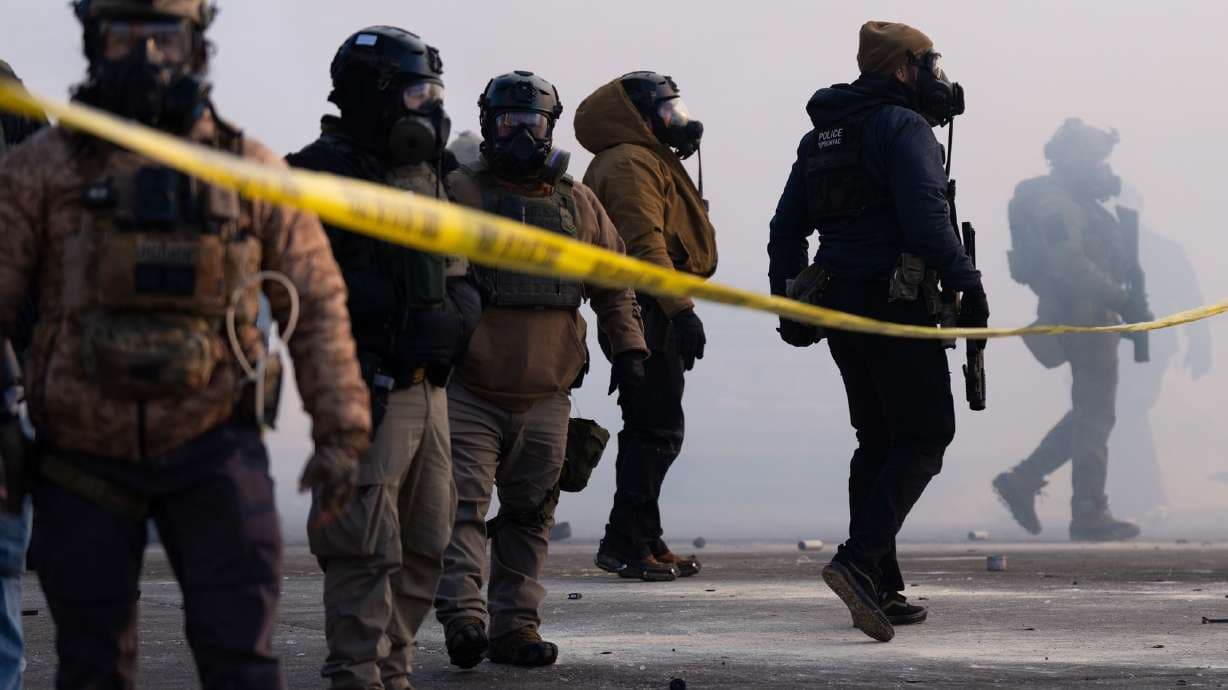
Just days after finalizing a complex deal to spin off its US operations to a consortium including Oracle and Silver Lake—a move designed to dodge a federal ban—TikTok is fighting a new fire. Users are reporting the suppression of content critical of US Immigration and Customs Enforcement (ICE) and anti-establishment narratives. The irony is palpable: an app targeted for potential Chinese propaganda influence is now accused of sanitizing dissent to please its new American masters.
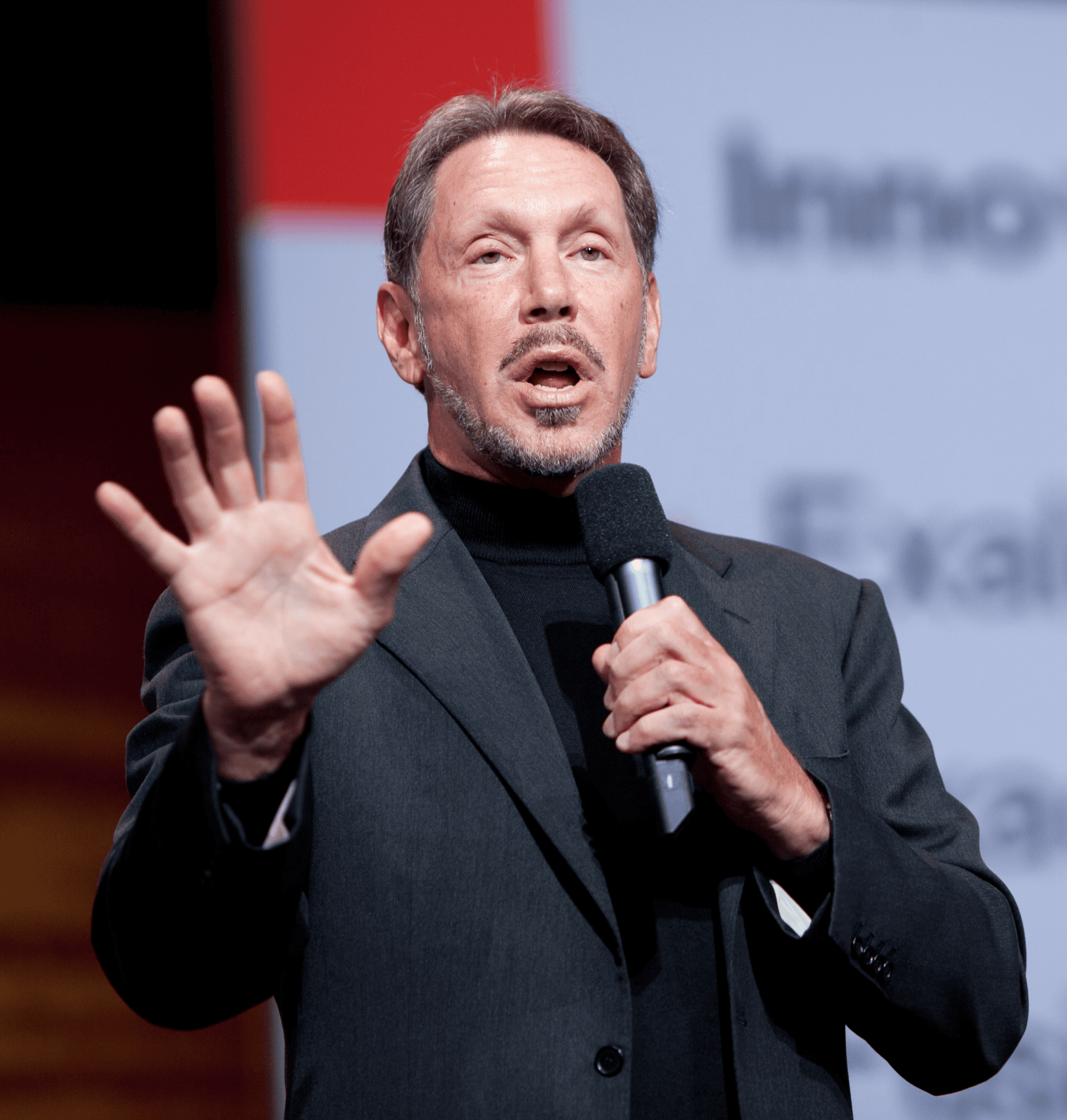
TikTok has officially attributed these issues to a "technical glitch" caused by a data center outage. However, digital rights experts and users are skeptical. The timing is suspicious. The ownership transfer, which involves heavy hitters like Larry Ellison’s Oracle, has birthed conspiracy theories about "Project Stargate"—an alleged government-aligned AI surveillance system. While such claims lurk on the fringes of Reddit, the core concern is valid: corporate consolidation often leads to sanitized speech.
Jeffrey Blevins, a professor at the University of Cincinnati, told CNN that proving censorship is notoriously difficult due to the "opaque nature" of algorithmic recommendations. "They're a private platform. They have a First Amendment right to [censor]," Blevins noted. This legal reality offers little comfort to the millions of young users who view TikTok as their primary news source.
Why does this matter in Nairobi? Because digital sovereignty is a global battleground. Kenya’s own content creators, who rely heavily on TikTok for monetization and political expression, are watching closely. If the US model of "security-first" censorship becomes the global standard, the vibrant, often chaotic freedom of the Kenyan digital space could be the next domino to fall. The algorithm is not neutral; it serves its masters, whether they sit in Beijing or Silicon Valley.
Keep the conversation in one place—threads here stay linked to the story and in the forums.
Sign in to start a discussion
Start a conversation about this story and keep it linked here.
Other hot threads
E-sports and Gaming Community in Kenya
Active 10 months ago
The Role of Technology in Modern Agriculture (AgriTech)
Active 10 months ago
Popular Recreational Activities Across Counties
Active 10 months ago
Investing in Youth Sports Development Programs
Active 10 months ago
Key figures and persons of interest featured in this article