We're loading the full news article for you. This includes the article content, images, author information, and related articles.
A deep dive into the renewed push for privatizing giants like the Kenya Pipeline Company, analyzing how listing state assets could fix inefficiencies and offer a lifeline to the economy.
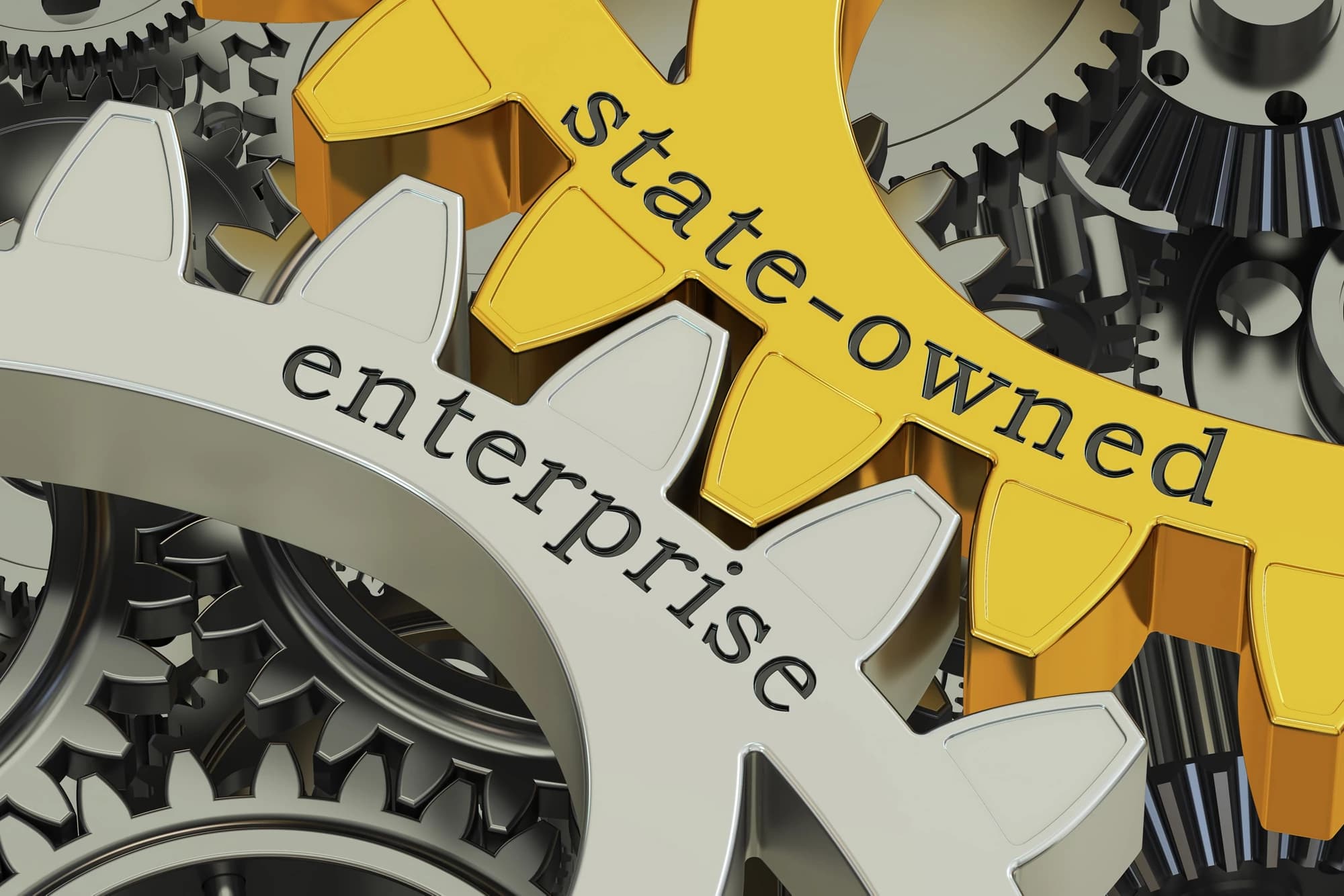
The persistent debate over the privatization of Kenya’s state-owned enterprises (SOEs) has reignited with renewed urgency, focusing squarely on the untapped potential buried within these bureaucratic giants. As the national debt ceiling looms and operational inefficiencies mount, economic analysts are increasingly pointing to the partial divestiture of assets like the Kenya Pipeline Company (KPC) as a necessary surgical intervention for the economy.
This is no longer just a conversation about selling off the family silver; it is a critical examination of how to inject capital, efficiency, and transparency into entities that have long been citadels of patronage and waste. The "value" being discussed is not just the sale price, but the economic velocity that efficient management could unleash.
At the heart of the current discourse is the Kenya Pipeline Company, a strategic asset that commands a monopoly on fuel transmission yet often struggles with operational opacity. Proponents of privatization argue that listing a stake on the Nairobi Securities Exchange (NSE) would do more than just raise quick cash for the Exchequer. It would force a level of corporate governance and public scrutiny that internal audits have failed to achieve for decades.
Unlocking this value requires a shift in mindset. It demands viewing SOEs not as employment bureaus for the politically connected, but as commercial entities that must justify their existence on the balance sheet. The liquidity trapped in these companies is estimated to be in the hundreds of billions—capital that is currently dead weight in a struggling economy.
However, the path to privatization is mined with political and social explosives. Critics rightly point to the risk of transferring public monopolies into private hands without adequate regulation, potentially leading to price gouging in critical sectors like energy and logistics. The "unlocking" process must therefore be paired with a robust regulatory framework that protects the consumer while enticing the investor.
The hesitation to pull the trigger on these sales is largely political. SOEs provide leverage, patronage, and control. Giving that up requires a government confident enough to trade short-term political influence for long-term economic gain. As the conversation moves from opinion columns to boardroom strategies, the question remains: does the current administration have the nerve to let go?
Ultimately, unlocking the value of state-owned companies is an economic inevitability delayed by political convenience. The longer the delay, the more value is eroded by inefficiency, leaving Kenyans to pay the price for assets that should be serving them, not burdening them.
Keep the conversation in one place—threads here stay linked to the story and in the forums.
Sign in to start a discussion
Start a conversation about this story and keep it linked here.
Other hot threads
E-sports and Gaming Community in Kenya
Active 9 months ago
The Role of Technology in Modern Agriculture (AgriTech)
Active 9 months ago
Popular Recreational Activities Across Counties
Active 9 months ago
Investing in Youth Sports Development Programs
Active 9 months ago



