We're loading the full news article for you. This includes the article content, images, author information, and related articles.
With donor aid fading, Kenya turns to Public-Private Partnerships, uniting state agencies with private insurers and faith-based hospitals to secure the future of healthcare delivery.
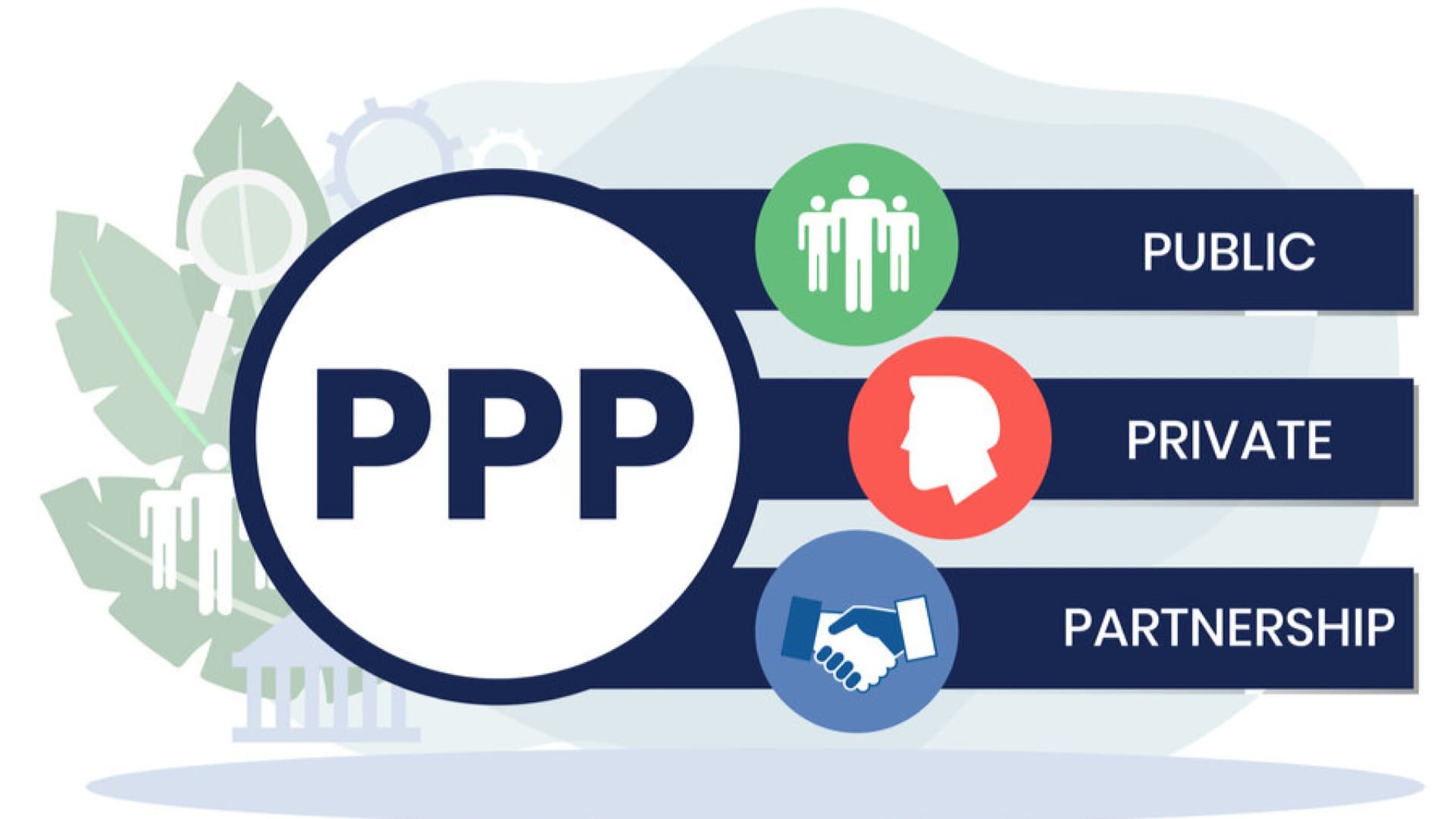
As traditional development assistance shrinks, a new constellation of players is emerging to fill the void in Kenya’s healthcare landscape. The era of the government going it alone is over; welcome to the age of the "Striving Survivors" and strategic Public-Private Partnerships (PPPs).
With donor wallets tightening globally, the Economist Impact report forecasts a surge in collaborations between state health agencies, private insurers, faith-based hospitals, and corporate giants. In Kenya, this trend is accelerating as the Ministry of Health seeks to leverage private sector efficiency to deliver public goods. The strategy is clear: pool resources, share risks, and expand reach without blowing up the national debt.
One of the most innovative shifts is the integration of private insurers with the national social health framework. Rather than viewing the state scheme as a competitor, private underwriters are exploring "top-up" models where the Social Health Insurance Fund (SHIF) covers the basics, and private insurance handles premium services. This "pooling" approach increases the overall risk pool and stabilizes the market, potentially lowering premiums for the middle class.
Faith-based hospitals, which provide nearly 40% of healthcare in rural Kenya, are also entering into deeper service-level agreements with county governments. These partnerships allow public patients to access mission hospitals at subsidized rates, effectively expanding the government’s infrastructure overnight without laying a single brick.
Beyond traditional health players, the corporate sector is stepping in with "revenue generation" mechanisms. We are seeing proposals for levies on mobile money transactions and "sin taxes" on alcohol and sugary drinks being earmarked specifically for health funds—a move championed by the private sector to ensure a healthier, more productive workforce.
This collaborative model is not without its critics, who warn against the commodification of essential services. However, in a resource-constrained world, these partnerships may be the only viable path to keeping the hospital lights on.
Keep the conversation in one place—threads here stay linked to the story and in the forums.
Sign in to start a discussion
Start a conversation about this story and keep it linked here.
Other hot threads
E-sports and Gaming Community in Kenya
Active 10 months ago
Popular Recreational Activities Across Counties
Active 10 months ago
The Role of Technology in Modern Agriculture (AgriTech)
Active 10 months ago
Investing in Youth Sports Development Programs
Active 10 months ago



