We're loading the full news article for you. This includes the article content, images, author information, and related articles.
New Delhi retreats on the 'Sanchar Saathi' pre-install mandate after fierce resistance from tech giants and rights groups, signaling a global shift in the battle for digital privacy.
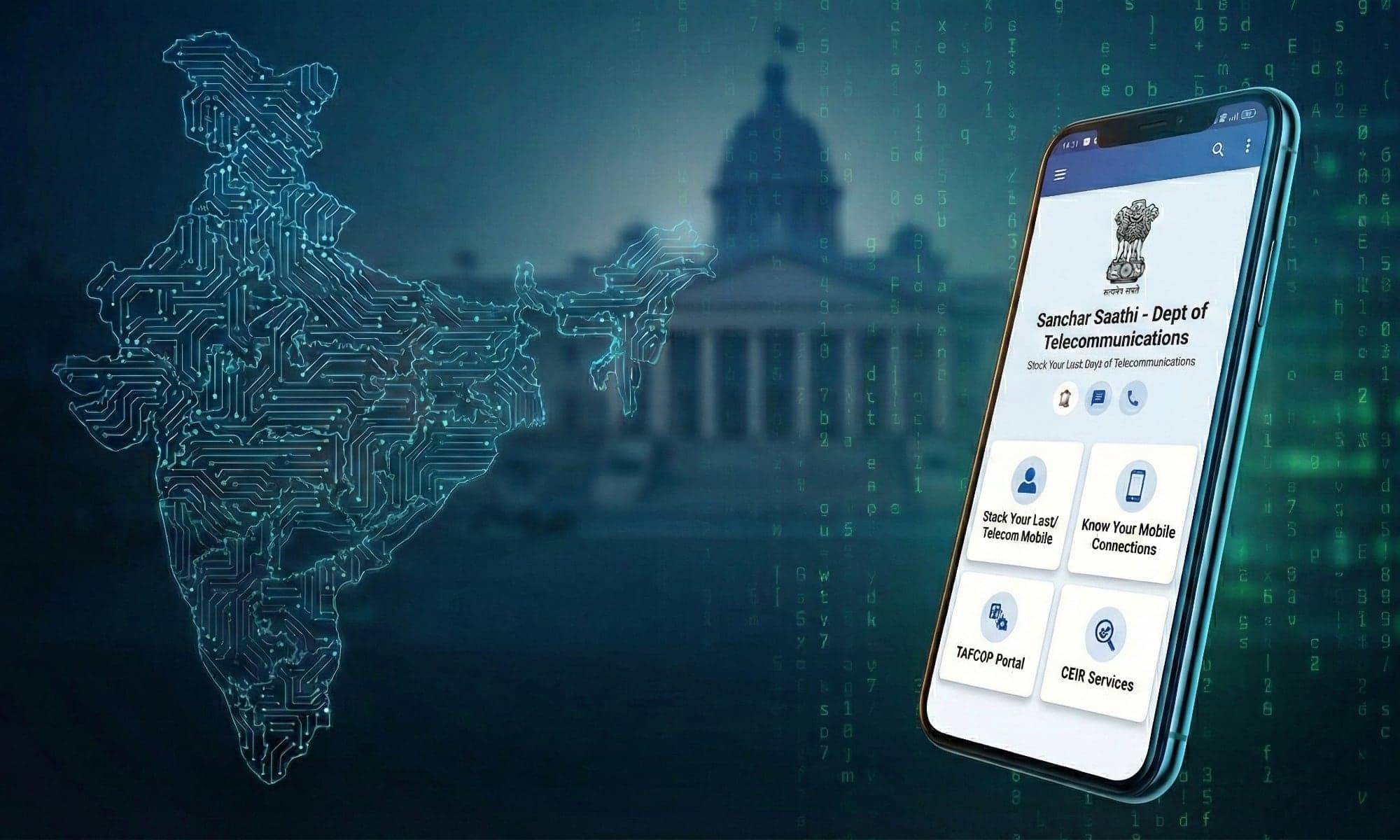
In a rare concession to privacy advocates and tech giants, the Indian government has abandoned its controversial directive requiring the mandatory pre-installation of the 'Sanchar Saathi' security application on all new smartphones.
The reversal marks a significant victory for digital rights in the Global South, setting a precedent that resonates from New Delhi to Nairobi as governments worldwide grapple with the delicate balance between national security and individual privacy. For the Kenyan consumer, often at the receiving end of hardware decisions made in major manufacturing hubs like India, this decision ensures that device autonomy remains intact—at least for now.
The initial mandate faced immediate and stiff resistance. Industry heavyweights, including Apple and Samsung, pushed back against the order, citing severe logistical challenges and the potential compromise of user trust. Opposition parties in India also flagged the move, warning that a state-mandated app could easily function as a backdoor for mass surveillance.
The backlash forced a swift recalculation by the authorities. "The government has decided not to make the pre-installation mandatory," the Communications Ministry stated, pivoting to a stance where the app will remain voluntary. While the Ministry continues to defend the utility of 'Sanchar Saathi'—designed ostensibly to track lost devices and check the authenticity of used phones—the compulsory nature of the rollout proved a bridge too far.
Why does a policy U-turn in India matter to a mobile user in Kisumu or Mombasa? The global smartphone supply chain is deeply interconnected. Had the mandate persisted, manufacturers might have altered their software builds for the massive Indian market, potentially bleeding those changes into devices exported to other developing markets like Kenya.
While the immediate threat of a mandatory government app has subsided, the Ministry emphasized that the tool remains available for those who choose it. As the dust settles, the message to regulators is clear: security cannot come at the expense of consent.
Keep the conversation in one place—threads here stay linked to the story and in the forums.
Sign in to start a discussion
Start a conversation about this story and keep it linked here.
Other hot threads
E-sports and Gaming Community in Kenya
Active 9 months ago
The Role of Technology in Modern Agriculture (AgriTech)
Active 9 months ago
Popular Recreational Activities Across Counties
Active 9 months ago
Investing in Youth Sports Development Programs
Active 9 months ago



