We're loading the full news article for you. This includes the article content, images, author information, and related articles.
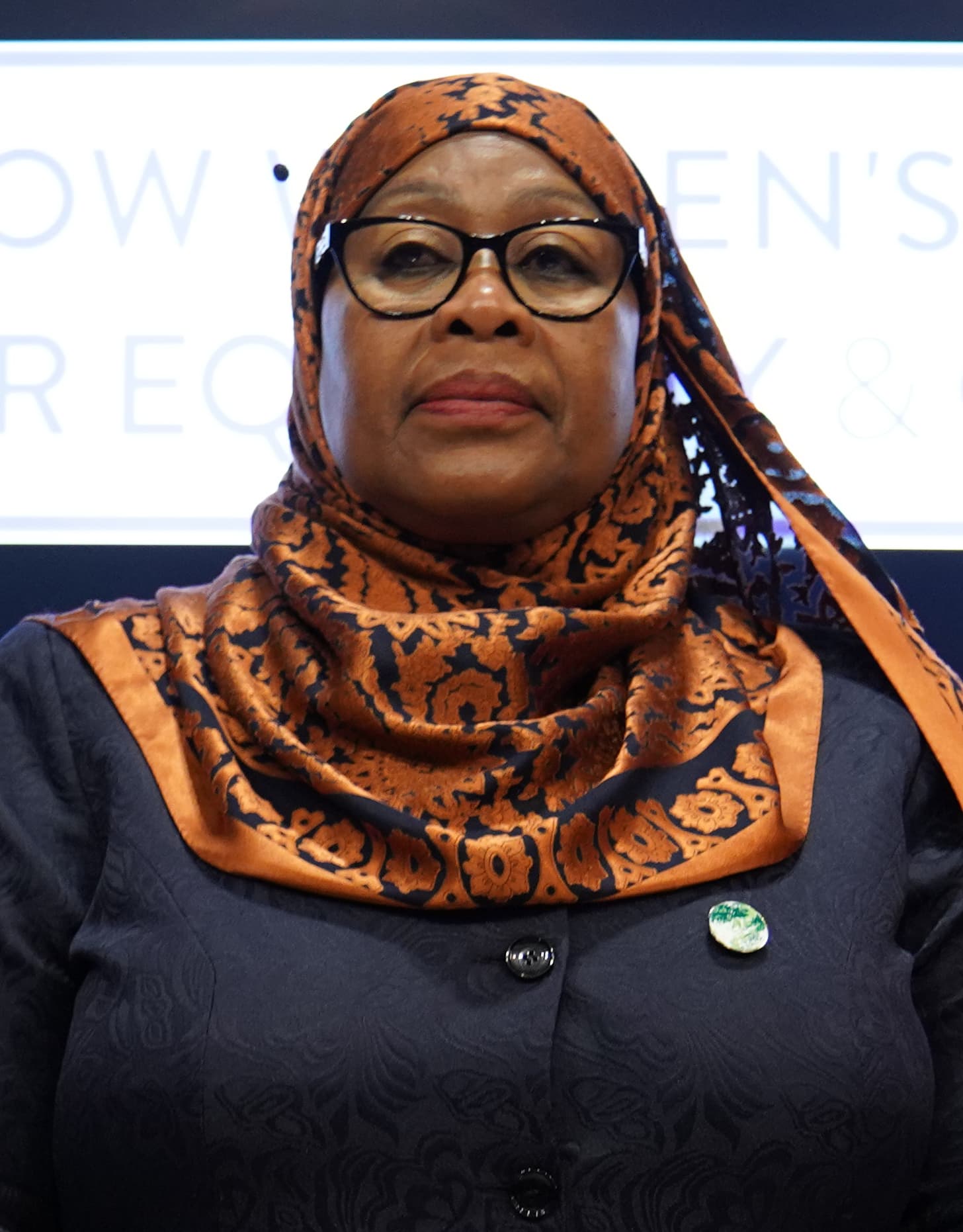
In a deeply emotional ceremony, the mother of the late Tanzanian cinematic icon Steven Kanumba received a luxury vehicle gifted by President Samia Suluhu.

In a deeply emotional ceremony in Dar es Salaam, Flora Mtegoa, the mother of the late Tanzanian cinematic icon Steven Kanumba, received the keys to a luxury vehicle gifted by President Samia Suluhu Hassan. The handover, which saw Mtegoa visibly overcome with gratitude, marks a poignant intersection of national mourning, cultural appreciation, and the persistent, enduring legacy of a man who redefined East African entertainment more than a decade ago.
For millions of East Africans who grew up watching the evolution of the Bongo film industry, the gesture transcends a mere material gift. It serves as a symbolic acknowledgement by the Tanzanian state of the outsized cultural contribution made by the late actor, whose sudden death in 2012 sent shockwaves from Dar es Salaam to Nairobi and beyond. As Mtegoa declared herself "born again" in the wake of the President's benevolence, the event reignited public discourse regarding how nations value—and eventually support—the families of the artists who shaped their modern cultural identity.
To understand the significance of this presidential intervention, one must examine the vacuum left by Steven Kanumba. Before his untimely passing at the age of 28, Kanumba was not merely an actor he was the driving force behind the professionalization of the Tanzanian film industry. At a time when local cinema was often relegated to the peripheries of African entertainment, Kanumba brought production values, narrative depth, and a charismatic screen presence that captivated a regional audience. His films, which often explored the complexities of modern love, ambition, and societal pressures, became essential viewing in households across Kenya, Uganda, and Tanzania.
Data regarding the impact of the late actor remains significant even years after his death:
President Samia Suluhu Hassan’s decision to personally recognize Mtegoa is indicative of a broader strategy within the current administration to engage directly with the arts sector. Since assuming office, President Suluhu has frequently utilized soft power, engaging with athletes, musicians, and filmmakers to bolster the nation's international image—most notably through the widely publicized "Royal Tour" initiatives. By acknowledging the mother of a fallen cultural titan, the administration effectively bridges the gap between historical grievances of the creative class and the state's current recognition of the arts as a vital economic pillar.
Economists and analysts note that such gestures, while personal in nature, function as powerful signals to the private sector. When a Head of State validates the contribution of an artist’s family, it signals that the creative industry is not a frivolous pursuit, but a respected and essential component of national heritage. For the families of artists who often die without robust estate protections or royalty structures, such state interventions provide a vital, if sporadic, safety net that public social security systems often fail to offer.
Flora Mtegoa has remained a prominent figure in Tanzanian media, often speaking openly about the spiritual and emotional journey she has undertaken since the tragic events of April 2012. Her public life has been defined by a mix of deep sorrow and unwavering faith. Her recent comment that she is "born again" upon receiving the vehicle suggests a moment of profound psychological transition—a shedding of the heavy mantle of grief that has accompanied her for over fourteen years.
Observers of the Tanzanian social landscape note that Mtegoa’s endurance has made her a symbol of maternal resilience. She has navigated the often-predatory nature of tabloid media, which frequently sought to exploit her grief for headlines, while simultaneously maintaining the dignity of her son's name. This presidential gift functions as a public validation of that resilience, closing a chapter of perceived neglect and opening a new one marked by state-sponsored gratitude.
The relevance of this story for a Nairobi audience—or indeed any reader across the East African Community—cannot be overstated. Kanumba’s films were the cornerstone of the "Bongo" craze that swept through Kenyan living rooms, creating a shared cultural lexicon that persists today. His death was treated in Kenya with the same level of communal mourning as if he were a domestic celebrity. Consequently, the news of his mother receiving such a prestigious gift resonates across borders, reminding the region of the shared heritage that transcends political boundaries.
As the sun sets on the era of the initial Bongo film explosion, the industry has transitioned into a more digital, fragmented landscape. Yet, the reverence for the "Great" Kanumba remains intact. Whether through streaming platforms or the dusty, surviving VCDs in provincial shops, his influence continues to underwrite the work of a new generation of Tanzanian directors and producers. President Suluhu’s gesture, therefore, is not merely a gift to an individual it is a deposit into the cultural memory of the nation, ensuring that the architects of the past are not forgotten as the future is built.
The keys to the vehicle are, ultimately, a conduit for a larger message: that in the eyes of the state, the stories we tell matter, and the people who tell them—and those who nurtured them—deserve to be honored long after the credits have rolled.
Keep the conversation in one place—threads here stay linked to the story and in the forums.
Sign in to start a discussion
Start a conversation about this story and keep it linked here.
Other hot threads
E-sports and Gaming Community in Kenya
Active 9 months ago
The Role of Technology in Modern Agriculture (AgriTech)
Active 9 months ago
Popular Recreational Activities Across Counties
Active 9 months ago
Investing in Youth Sports Development Programs
Active 9 months ago
Key figures and persons of interest featured in this article