We're loading the full news article for you. This includes the article content, images, author information, and related articles.
President William Ruto has announced the third phase of a significant salary increment for Kenya Prisons Service officers, taking effect in July 2026.
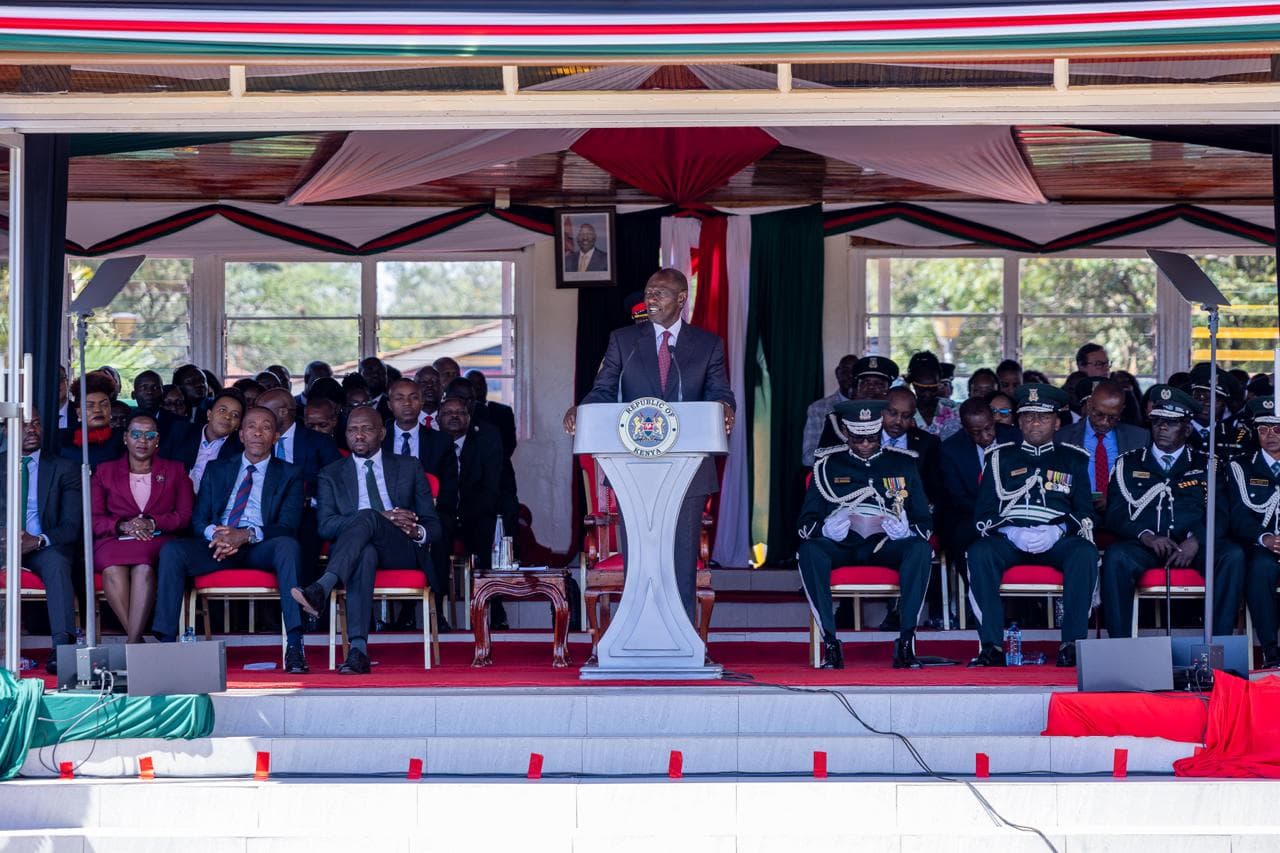
President William Ruto has officially announced the implementation of the third phase of a significant salary increment for Kenya Prisons Service officers, taking effect in July 2026.
In a major boost for the country's penal system workforce, the Head of State has committed to enhancing the remuneration packages of prison warders across the nation.
The policy directive is part of a broader, systemic reform agenda aimed at improving the welfare of the uniformed disciplined forces, who have historically operated under challenging socio-economic conditions.
President William Ruto made the landmark announcement while presiding over the 46th Kenya Prisons Service pass-out parade at the prestigious Ruiru Prisons Staff Training College in Kiambu County. Addressing the newly graduated cohort of officers and the nation at large, the President underscored the government's unwavering commitment to uplifting the living standards of those tasked with maintaining order and rehabilitating offenders.
According to the Head of State, the eagerly anticipated third phase of the salary increment will officially take effect on July 1, 2026. This timeline aligns with the beginning of the government's fiscal year, ensuring that the necessary budgetary allocations are firmly entrenched within the national treasury's expenditure framework.
The announcement comes at a critical juncture for the country's security apparatus. For decades, prison officers have lobbied for better pay, citing the hazardous nature of their work, long hours, and the psychological toll of managing correctional facilities that are frequently battling severe overcrowding. The salary adjustment is expected to significantly mitigate these grievances, boosting morale and operational efficiency across the board.
The decision to systematically increase the salaries of prison officers is deeply rooted in the findings of the National Taskforce on Police and Prisons Reforms, which was expertly chaired by former Chief Justice David Maraga. The comprehensive report, which was presented to the President, painted a grim picture of the living and working conditions of officers within the National Police Service, the Prisons Service, and the National Youth Service.
The Maraga-led taskforce explicitly recommended a phased approach to salary increments to ensure sustainability while addressing historical injustices regarding remuneration. The implementation of this third phase serves as a clear indicator that the broad-based government is following through on its promises to overhaul the security sector comprehensively.
Beyond mere financial compensation, the reforms advocate for sweeping improvements in institutional housing, healthcare provisions, and the modernization of operational equipment. The goal is to transform the Kenya Prisons Service from a purely punitive institution into a globally competitive correctional and rehabilitative agency.
The injection of higher disposable income into the pockets of thousands of prison officers is poised to have a tangible ripple effect on the local economy. With enhanced purchasing power, officers will be better positioned to invest in their families, property, and local businesses, contributing positively to the Bottom-Up Economic Transformation Agenda (BETA).
Furthermore, adequate compensation is a proven deterrent against deeply entrenched institutional corruption. Historically, low wages have been cited as a primary catalyst for illicit activities within correctional facilities, including the smuggling of contraband. By offering a competitive living wage, the government aims to foster a culture of integrity and uncompromised professionalism among the warders.
During the Ruiru event, the President also took the opportunity to outline his administration's broader vision for the criminal justice system. The focus is shifting decisively towards restorative justice, skill acquisition for inmates, and reducing the alarming recidivism rates that plague the current setup.
The government is heavily investing in agricultural and industrial programs within prisons, turning them into productive entities that contribute to the national GDP while providing inmates with viable post-release livelihoods. The newly empowered prison officers are expected to act as the primary facilitators of this ambitious transformative agenda.
"A motivated workforce is the indispensable engine of any meaningful institutional reform; today, we secure the dignity of our officers so they may secure the dignity of our nation," the President proclaimed.
Keep the conversation in one place—threads here stay linked to the story and in the forums.
Sign in to start a discussion
Start a conversation about this story and keep it linked here.
Other hot threads
E-sports and Gaming Community in Kenya
Active 9 months ago
The Role of Technology in Modern Agriculture (AgriTech)
Active 9 months ago
Popular Recreational Activities Across Counties
Active 9 months ago
Investing in Youth Sports Development Programs
Active 9 months ago