We're loading the full news article for you. This includes the article content, images, author information, and related articles.
President William Ruto has openly detailed his humbling negotiations in Beijing, revealing how Kenya's dismal domestic savings culture forced his administration to seek relief from a crippling $1 billion annual debt servicing burden.
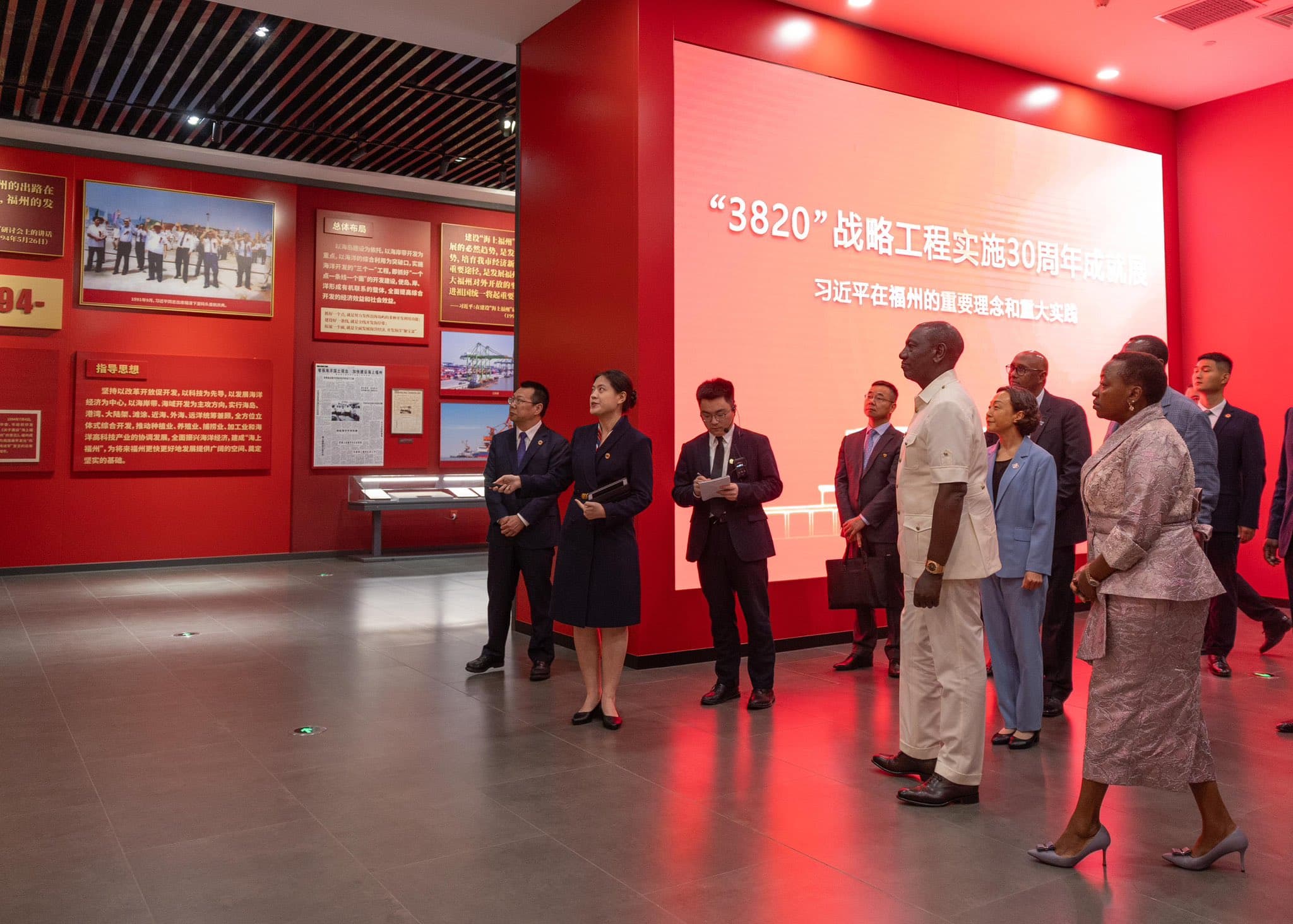
President William Ruto has openly detailed his humbling negotiations in Beijing, revealing how Kenya's dismal domestic savings culture forced his administration to seek relief from a crippling $1 billion annual debt servicing burden.
Stripping away the typical diplomatic veneer, President William Ruto has laid bare the stark economic realities that forced him to personally petition the Chinese government for a lifeline amidst Kenya's suffocating external debt.
The President's candid admission highlights a critical vulnerability in Kenya's macroeconomic architecture: an over-reliance on foreign capital driven by a paltry 12 percent domestic savings rate. It is a wake-up call for radical fiscal reform if East Africa's economic powerhouse is to achieve true financial sovereignty and avoid the catastrophic pitfalls of sovereign default.
Speaking to regional leaders at the County Assemblies Forum in Nairobi, President Ruto provided an unprecedented, behind-the-scenes look at his twin voyages to Beijing last year. He dispelled the myth that state visits to superpower nations are purely ceremonial affairs characterized by red carpets and military parades. Instead, he described them as high-stakes, often humbling pleas for national survival.
"You see the big parade and the pomp and colour, but when the doors close, you are telling the person, please help us," Ruto confessed, drawing nervous laughter from the audience. He revealed that Kenya was hemorrhageing approximately $1 billion (approx. KES 130 billion) annually merely to service its existing debts to China, primarily stemming from the controversial Standard Gauge Railway (SGR) project initiated by his predecessor.
This massive outflow of foreign exchange had effectively paralyzed the government's domestic development agenda. "We were paying $1 billion every year, so we could not find space to do any roads or anything else," he explained. "We had to go and tell them, this debt is too heavy, reduce the pressure because it is hurting us."
Ruto utilized the platform to deliver a harsh truth regarding the root cause of Kenya's debt crisis. He directly linked the necessity of "roaming capitals of other countries to borrow money" to the Kenyan populace's chronic inability to cultivate a robust savings culture.
To contextualize the crisis, the President drew a sharp contrast between Kenya and its largest creditor. "The money we borrow from China is the savings of the Chinese people. They save about 55 per cent of their GDP, while our savings stand at only 12 per cent. That is the difference," he noted. This massive disparity forces the Kenyan exchequer to rely on expensive external commercial and bilateral loans to fund basic infrastructure.
Even more damning was his comparison to immediate regional neighbors. Ruto pointed out that Uganda, possessing an economy half the size of Kenya's, boasts a vastly superior national social security fund. Similarly, Tanzania, whose economy is roughly 60 percent the size of Kenya's, also wields a larger domestic savings pool, granting them far greater fiscal independence.
The stark reality of a depreciating shilling—which artificially inflates the cost of dollar-denominated debts—has left the Kenyan administration with little choice but to implement aggressive, often deeply unpopular domestic revenue mobilization strategies.
As Kenya continues to navigate the treacherous waters of international finance, the success of Ruto's painful economic restructuring will ultimately determine if the nation can break free from the gravitational pull of foreign debt.
"If we continue on this path, in 10 to 15 years... if we need to borrow, we will borrow from our own savings," Ruto declared, setting a monumental task for his administration.
Keep the conversation in one place—threads here stay linked to the story and in the forums.
Sign in to start a discussion
Start a conversation about this story and keep it linked here.
Other hot threads
E-sports and Gaming Community in Kenya
Active 9 months ago
The Role of Technology in Modern Agriculture (AgriTech)
Active 9 months ago
Popular Recreational Activities Across Counties
Active 9 months ago
Investing in Youth Sports Development Programs
Active 9 months ago



