We're loading the full news article for you. This includes the article content, images, author information, and related articles.
International partners and local universities launch a major workforce development initiative in Lagos to fix the "skills gap" stalling Nigeria’s energy transition.
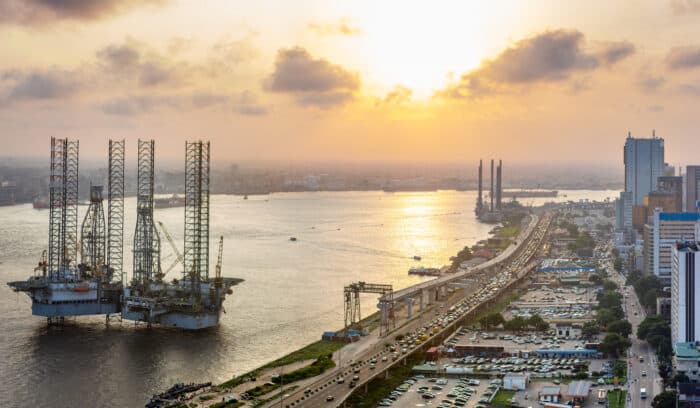
The battle to illuminate Nigeria is no longer just about turbines and transmission lines; it is about the people who run them. In a landmark summit in Lagos, global energy partners and local stakeholders have launched a decisive initiative to bridge the critical skills gap crippling the sector.
The engagement, held on Monday at a newly commissioned energy industry training facility, brought together heavyweights from international development agencies, the University of Lagos, and the University of Birmingham. The consensus was stark: Nigeria’s energy transition is being held back not by a lack of resources, but by a lack of technical "institutional capacity."
Despite being Africa’s largest oil producer, Nigeria struggles with chronic power shortages and a stuttering transition to renewables. The summit addressed the "brain drain" that sees Nigeria’s best engineers emigrate, leaving critical infrastructure in the hands of an under-trained workforce. "We cannot build a 21st-century energy grid with a 20th-century curriculum," remarked one of the key speakers.
The new partnership focuses on three core pillars:
The collaboration involves the Global Energy Alliance for People and Planet (GEAPP) and potentially inputs from organizations like RMI, who have been active in the region. By linking Nigerian academic institutions with global technical leaders, the initiative aims to create a "pipeline of power." The University of Lagos’s partnership with UK institutions specifically targets Transnational Education (TNE), allowing Nigerian students to access world-class energy training without leaving Lagos.
For the average Nigerian business owner running a diesel generator to keep the lights on, these high-level talks offer a glimmer of long-term hope. A skilled workforce means better maintenance of the grid, faster fault resolution, and eventually, a more stable power supply. As the country moves toward the ambitious goals of the Energy Transition Plan, today’s meeting in Lagos may well be the spark that finally ignites a sustainable revolution.
Keep the conversation in one place—threads here stay linked to the story and in the forums.
Sign in to start a discussion
Start a conversation about this story and keep it linked here.
Other hot threads
E-sports and Gaming Community in Kenya
Active 9 months ago
The Role of Technology in Modern Agriculture (AgriTech)
Active 9 months ago
Popular Recreational Activities Across Counties
Active 9 months ago
Investing in Youth Sports Development Programs
Active 9 months ago



