We're loading the full news article for you. This includes the article content, images, author information, and related articles.
Electricity replaces milk and eggs as Kenya’s primary import from Uganda, highlighting a strategic shift towards energy dependence on its neighbor amidst lingering trade barriers.
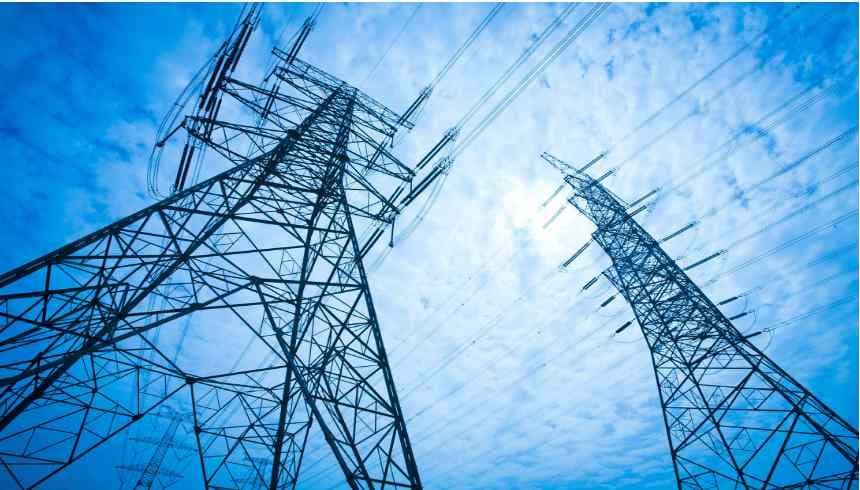
The balance of trade between Nairobi and Kampala has undergone a silent but seismic revolution. In a stunning reversal of historical trends, electricity has overtaken milk and eggs to become Kenya’s top import from Uganda, signaling a shift from agricultural dependency to an energy-hungry partnership.
For years, the trade wars were fought over cartons of milk and trays of eggs, with Kenya imposing tariffs to protect its farmers. Today, the commodity flowing across the border is invisible but vital. The data reveals that Kenya’s insatiable demand for power, driven by a struggling national grid and frequent outages, has forced it to plug into Uganda’s surplus hydroelectric capacity. We are no longer just eating Uganda’s food; we are running our economy on their current.
This shift is a double-edged sword for Kenya. On one hand, it stabilizes the national grid, preventing the blackouts that cripple manufacturing. On the other, it exposes a strategic vulnerability: Kenya’s inability to generate enough cheap, reliable power domestically despite billions invested in geothermal and wind projects. Uganda, with its dams on the Nile, has become the battery pack for the region.
The decline in agricultural imports is also telling. The punitive "import fees" and non-tariff barriers erected by Nairobi have successfully choked off the flow of Ugandan milk and eggs. But this protectionism has come at a cost to the Kenyan consumer, who pays higher prices for food while the country sends millions of shillings westwards to keep the lights on.
President Ruto’s administration faces a paradox: it has "won" the war on milk imports but lost the battle for energy independence. The flow of electrons from Jinja to Nairobi is a lifeline that keeps the Kenyan industrial engine humming, but it is a reminder that in the Great Lakes region, economic power is fluid.
As the pylons buzz with Ugandan electricity, the message is clear: the future of trade is not in what we grow, but in how we power our growth. And right now, Uganda holds the switch.
Keep the conversation in one place—threads here stay linked to the story and in the forums.
Sign in to start a discussion
Start a conversation about this story and keep it linked here.
Other hot threads
E-sports and Gaming Community in Kenya
Active 9 months ago
The Role of Technology in Modern Agriculture (AgriTech)
Active 9 months ago
Popular Recreational Activities Across Counties
Active 9 months ago
Investing in Youth Sports Development Programs
Active 9 months ago



