We're loading the full news article for you. This includes the article content, images, author information, and related articles.
KenGen launches its visionary G2G Strategy 2024-2034, pledging a shift to 100% renewable energy and positioning Kenya as a global hub for green industrialization.
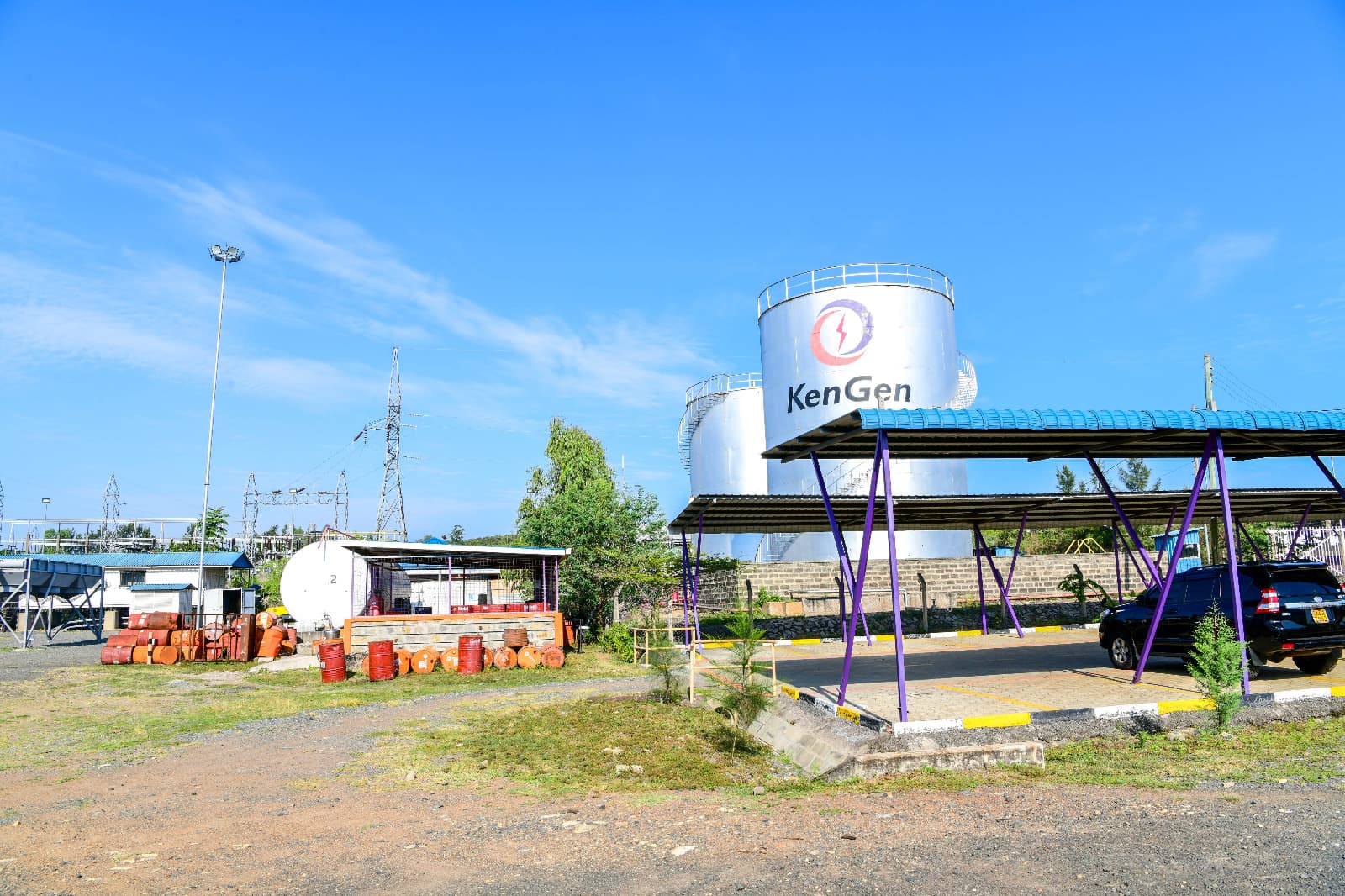
Kenya is no longer just participating in the global energy transition; it is attempting to lead it. In a landmark announcement at the Olkaria Geothermal Spa, KenGen has unveiled its "G2G Strategy 2024-2034," a blueprint designed to make the nation a renewable energy superpower.
The significance of this strategy cannot be overstated. By committing to a 100% renewable energy grid while simultaneously driving industrialization, KenGen is challenging the historic economic dogma that development requires carbon-heavy shortcuts. The "Good to Great" (G2G) plan is not merely about electricity; it is a geopolitical positioning of Kenya as the preferred destination for green manufacturing in Africa, leveraging the Great Rift Valley’s volcanic heat to power the future.
While KenGen remains the world's seventh-largest producer of geothermal energy, the new strategy emphasizes aggressive diversification. CEO Peter Njenga revealed plans to integrate large-scale solar and wind projects into the existing hydro-geothermal baseload. This hybrid approach aims to mitigate the risks of climate-induced droughts which have historically crippled the country's hydroelectric capacity.
Crucially, the strategy includes the development of green hydrogen plants and energy storage solutions. These technologies are the "holy grail" of renewables, solving the intermittency problem of wind and solar. "We are proving that you can industrialize without destroying the planet," stated Ronoh Kibet, General Manager of Commercial Services, challenging the Western narrative that Africa must choose between poverty and pollution.
For the average Kenyan, the stakes are high. The promise of the G2G strategy is to lower the cost of power—a perennial complaint of manufacturers and households alike. By increasing the supply of cheap, renewable electrons, KenGen hopes to attract energy-intensive industries like data centers and steel mills to set up shop in places like Naivasha.
As the sun sets over the steam jets of Olkaria, the message is clear: the age of fossil fuels in East Africa is ending. KenGen has drawn a line in the volcanic soil, betting its future—and the country's economic sovereignty—on the belief that green is not just an environmental choice, but a superior business model.
Keep the conversation in one place—threads here stay linked to the story and in the forums.
Sign in to start a discussion
Start a conversation about this story and keep it linked here.
Other hot threads
E-sports and Gaming Community in Kenya
Active 9 months ago
The Role of Technology in Modern Agriculture (AgriTech)
Active 9 months ago
Popular Recreational Activities Across Counties
Active 9 months ago
Investing in Youth Sports Development Programs
Active 9 months ago