We're loading the full news article for you. This includes the article content, images, author information, and related articles.
As the utility giant loses a fifth of its workforce to retirement, the race is on to replace decades of technical expertise before the lights go out.
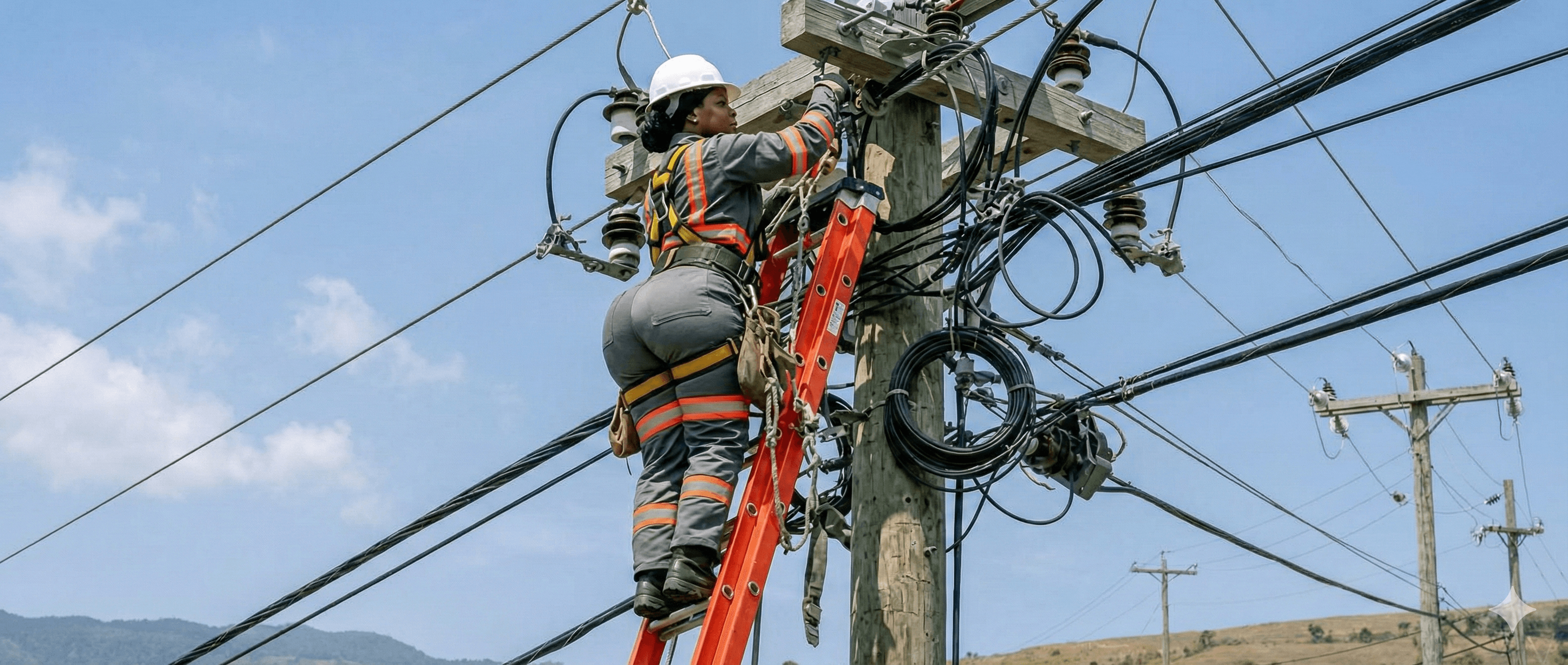
It is a crisis that makes no noise until the lights flicker and fail to return. While Kenyans often direct their ire at blown transformers and aging poles, a quieter, more systemic threat has been brewing inside Stima Plaza: a massive exodus of the very hands that keep the national grid alive.
In a revelation that lays bare the fragility of Kenya’s energy backbone, Kenya Power has disclosed that 2,234 employees—nearly 20 percent of its workforce—have retired since 2020. The utility firm is now racing against time to plug a widening skills gap as another 488 veterans prepare to hang up their boots by June 2026.
The numbers, buried in the company’s latest annual report, paint a picture of an organization undergoing a radical, perhaps painful, generational shift. The departures are not just administrative; they strike at the heart of operations. Approximately 85 percent of Kenya Power’s 10,582 staff are technical—the engineers, line technicians, and emergency response teams tasked with managing a sprawling 328,000-kilometer grid.
“Over the last five years, 2,234 staff have exited the company due to natural attrition,” the utility noted, acknowledging the pressure this places on service delivery for its 10 million customers. For the common mwananchi, the implications are direct: when a storm knocks out power in Roysambu or Eldoret, the speed of restoration depends entirely on the availability of skilled boots on the ground.
The retirement wave comes at a complex time. For six years, Kenya Power was shackled by a hiring freeze, a measure often prescribed by the National Treasury to curb a ballooning public wage bill. This created a dangerous vacuum—veterans were leaving, but no apprentices were coming in to learn the ropes.
That freeze has since thawed, but the catch-up game is costly. The utility hired 490 workers in the financial year ended June 2025 and 363 the year prior. While this influx of fresh blood is critical, it has pushed staff costs up by 8.7 percent to KES 19.29 billion. The challenge now is not just headcount, but headspace—transferring decades of institutional memory to new recruits before the old guard walks out the door.
This internal strain mirrors a broader crisis across Kenya’s public service. With over 18,000 civil servants set to retire across various sectors, the government is caught between the rock of austerity and the hard place of service collapse. The National Treasury remains keen on keeping the wage bill sustainable, yet essential services like energy cannot run on skeleton crews.
Analysts warn that without a seamless transition, the "technical deficit" could lead to longer outage times and slower connections for new homes and businesses. For an economy striving to industrialize, an unreliable grid is a non-starter.
As the utility pivots to a phased recruitment strategy, the hope is that the new generation of engineers can stabilize the ship. But as one energy expert put it, "You can hire a graduate in a day, but it takes ten years to make a senior engineer who knows the grid like the back of his hand."
Keep the conversation in one place—threads here stay linked to the story and in the forums.
Sign in to start a discussion
Start a conversation about this story and keep it linked here.
Other hot threads
E-sports and Gaming Community in Kenya
Active 9 months ago
The Role of Technology in Modern Agriculture (AgriTech)
Active 9 months ago
Popular Recreational Activities Across Counties
Active 9 months ago
Investing in Youth Sports Development Programs
Active 9 months ago