We're loading the full news article for you. This includes the article content, images, author information, and related articles.
An exploding power bank that injured a passenger and forced a lounge evacuation in Australia raises urgent safety questions for Kenyan travellers, as global aviation authorities grapple with the increasing risk of lithium-ion battery fires.
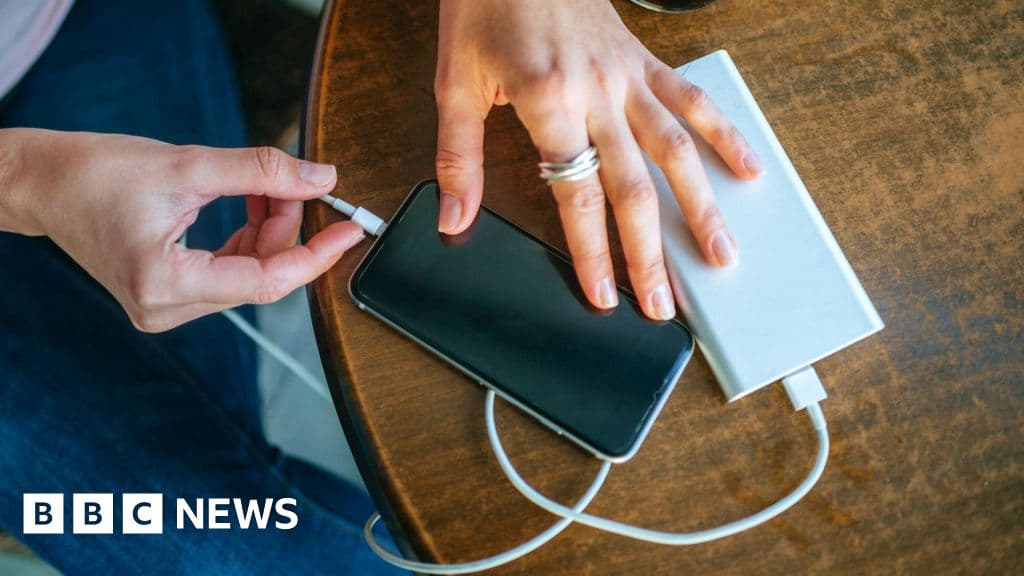
MELBOURNE, AUSTRALIA – A routine morning at Melbourne International Airport turned chaotic on Thursday, November 6, 2025, when a passenger's portable power bank exploded in his pocket, engulfing him in flames and forcing the evacuation of approximately 150 people from a Qantas business lounge. The incident, which left a man in his 50s with burns to his leg and fingers, has intensified scrutiny on the safety of lithium-ion batteries, a ubiquitous accessory for travellers worldwide, including many Kenyans.
The event unfolded around 11:00 AM local time (3:00 AM EAT) when witnesses reported hearing screams and an explosion. The man's jacket caught fire, and according to one account, battery acid was sent flying. Quick-thinking lounge staff and a fellow passenger rushed the injured man into a shower to extinguish the flames before paramedics arrived. He was transported to The Alfred Hospital in a stable condition and was later released. Qantas confirmed the lounge was cleaned and reopened two hours after the incident and announced it is reviewing its policies on the carriage of lithium batteries.
This incident is not isolated but part of a worrying global trend of fires caused by lithium-ion batteries, commonly used in power banks, smartphones, and laptops. Aviation authorities have long identified these batteries as a significant fire risk due to a phenomenon known as "thermal runaway," where a damaged or defective battery cell can enter an uncontrollable, self-heating state, leading to fire or explosion. The U.S. Federal Aviation Administration (FAA) has documented numerous such events on aircraft. Data from South Korea's Ministry of Land, Infrastructure and Transport showed 13 airplane fires caused by electronic device batteries between 2020 and 2024 alone.
The International Air Transport Association (IATA), which represents around 350 airlines, has been actively campaigning to raise passenger awareness about these dangers. IATA surveys reveal a common misconception, with many travellers believing it is safe to pack power banks in checked luggage. However, international regulations strictly prohibit this. If a fire occurs in the cargo hold, it can be much harder to detect and extinguish than in the passenger cabin, where flight crews are trained to respond.
For Kenyans travelling domestically or internationally, the rules are clear and align with global standards. Kenya Airways explicitly states that power banks are considered spare batteries and must be carried in carry-on luggage only. Placing them in checked baggage will lead to confiscation at security screening.
The regulations are primarily based on the battery's power capacity, measured in Watt-hours (Wh):
Furthermore, IATA guidelines mandate that spare batteries, including power banks, must be individually protected to prevent short circuits. This can be done by keeping them in their original retail packaging, taping over the terminals, or placing each battery in a separate plastic bag or protective pouch.
In response to the rising number of incidents, many airlines are not only reinforcing existing rules but also implementing new restrictions. Following fires on their aircraft, several carriers, including Eva Air and China Airlines, banned the in-flight use and charging of power banks starting in March 2025. Qantas, while not banning their use, states on its website that it does not recommend the use or charging of power banks on board due to safety concerns. The FAA has urged U.S. airlines to review their firefighting procedures specifically for lithium battery fires.
The Melbourne incident serves as a stark reminder for all travellers. The convenience of a portable charger comes with significant responsibility. Passengers are urged to purchase certified products from reputable brands, inspect their batteries for any signs of damage or swelling, and always follow airline regulations to ensure their safety and the safety of those around them.
Keep the conversation in one place—threads here stay linked to the story and in the forums.
Sign in to start a discussion
Start a conversation about this story and keep it linked here.
Other hot threads
E-sports and Gaming Community in Kenya
Active 9 months ago
The Role of Technology in Modern Agriculture (AgriTech)
Active 9 months ago
Popular Recreational Activities Across Counties
Active 9 months ago
Investing in Youth Sports Development Programs
Active 9 months ago