We're loading the full news article for you. This includes the article content, images, author information, and related articles.
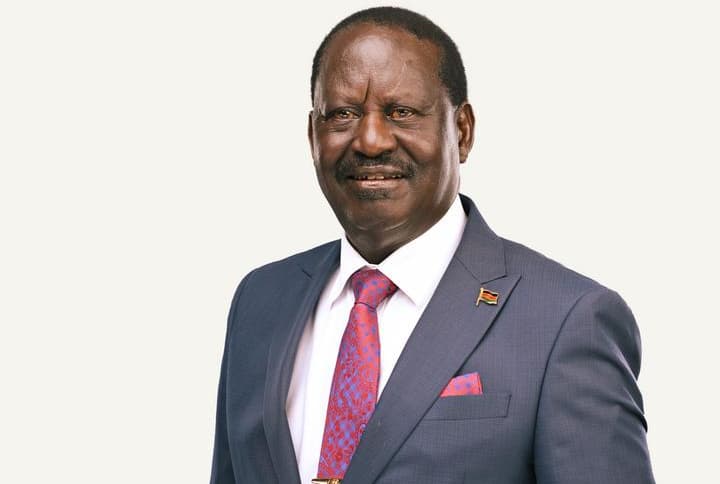
National Assembly Speaker Moses Wetang`ula`s recent comments on Senator Oburu Oginga have ignited political debates, forcing clarity on ODM`s hierarchy.

National Assembly Speaker Moses Wetang'ula ignited a firestorm of speculation this week, publicly commending Senator Oburu Oginga with rhetoric that prompted immediate, albeit confused, debates regarding the hierarchy of the Orange Democratic Movement. Speaking during a high-level parliamentary function in Nairobi, the Speaker lauded the veteran legislator’s institutional memory and political endurance, an endorsement that observers have interpreted as a nod to a shifting power dynamic within the opposition party.
For the informed reader, the confusion surrounding this event is understandable. While the comments were framed by some media outlets as anointing Senator Oginga as the new leader of the Orange Democratic Movement, the reality of the party’s constitution and internal governance remains significantly more complex. The incident highlights the volatile intersection of respect for political elders and the rigid, often opaque, structures of Kenyan political parties as the country edges toward the 2027 general election cycle.
Senator Oburu Oginga, the elder brother of Raila Odinga, has served as a cornerstone of the Siaya political establishment and a crucial strategist for the opposition for over three decades. His career in the National Assembly and the Senate has spanned critical epochs of Kenya’s democratic development, from the early days of multi-party agitation to the current constitutional dispensation.
Speaker Wetang'ula’s comments focused on what he termed a wealth of experience, emphasizing that legislative bodies function best when seasoned hands guide the debates. This focus on institutional memory is particularly relevant as the National Assembly and Senate grapple with complex budgetary legislation involving billions of shillings in allocated revenue. For many observers, Wetang'ula’s praise was less about a formal leadership handover and more about acknowledging the Senator’s role as the institutional anchor of the Azimio coalition in the Senate.
However, the leap from praising experience to declaring a new party leader is significant. In the Kenyan political theater, language is often weaponized, and the Speaker’s endorsement—coming from a leader within the Kenya Kwanza administration—creates a unique diplomatic tension. It raises questions about whether the praise was intended to bridge divides or to subtly drive a wedge within the opposition’s internal ranks by elevating a prominent figure during a time of succession uncertainty.
To understand the current confusion, one must look at the structural reality of the Orange Democratic Movement. The party’s leadership remains firmly centered on the figure of Raila Odinga, whose influence extends far beyond the nominal title of Party Leader. To suggest a leadership change without official communication from the party secretariat is to ignore the established statutory processes governing political parties in Kenya.
Political analysts at the University of Nairobi suggest that such headlines often reflect the high-stakes environment of Kenyan politics rather than factual shifts in party administration. They argue that when a high-ranking official like the Speaker speaks, every word is parsed for strategic intent. If the ODM leadership were to change, it would involve a rigorous national delegates conference and formal Registrar of Political Parties filings, none of which have occurred.
The relationship between Moses Wetang'ula and the Oginga family is historical, defined by shifting alliances that characterize the Kenyan political landscape. Both have been allies and rivals at different points over the last twenty years. By positioning himself as a respecter of the Senator’s legislative prowess, the Speaker may be attempting to cultivate a more bipartisan image, or perhaps acknowledging that the current legislative agenda requires the buy-in of veteran opposition tacticians.
The impact of this rhetoric on the ground is palpable. Supporters in Siaya and across Nyanza have viewed the comments with a mixture of pride and caution. For the electorate, the stakes are high. The 2027 election is expected to be a KES 50 billion logistical and political undertaking, and every comment regarding leadership succession is treated as a signal of intent. The economic implications are equally significant stable political transitions are vital for maintaining the confidence of foreign investors who currently view Kenya as a gateway to East Africa.
As the political calendar inches toward the next electoral cycle, the obsession with succession is likely to intensify. The interpretation of the Speaker’s comments serves as a case study in how information, regardless of its accuracy, can influence market sentiment and voter behavior. The Orange Democratic Movement remains a formidable entity with a national reach, and its internal dynamics are a matter of public interest, not merely private party business.
Ultimately, the discourse surrounding the leadership of the ODM highlights a deeper truth about the state of Kenyan democracy: it is a system that thrives on the tension between the old guard and the new, and one where even a compliment from an adversary is rarely just a compliment. Whether the Speaker’s words were a strategic gambit or a sincere acknowledgement of a veteran’s career, they have succeeded in forcing a public conversation on the future of opposition politics in Kenya.
Keep the conversation in one place—threads here stay linked to the story and in the forums.
Sign in to start a discussion
Start a conversation about this story and keep it linked here.
Other hot threads
E-sports and Gaming Community in Kenya
Active 10 months ago
The Role of Technology in Modern Agriculture (AgriTech)
Active 10 months ago
Popular Recreational Activities Across Counties
Active 10 months ago
Investing in Youth Sports Development Programs
Active 10 months ago
Key figures and persons of interest featured in this article