We're loading the full news article for you. This includes the article content, images, author information, and related articles.
The Competency-Based Education system faces a crisis of confidence as poor planning, funding delays, and political interference threaten to derail its implementation.
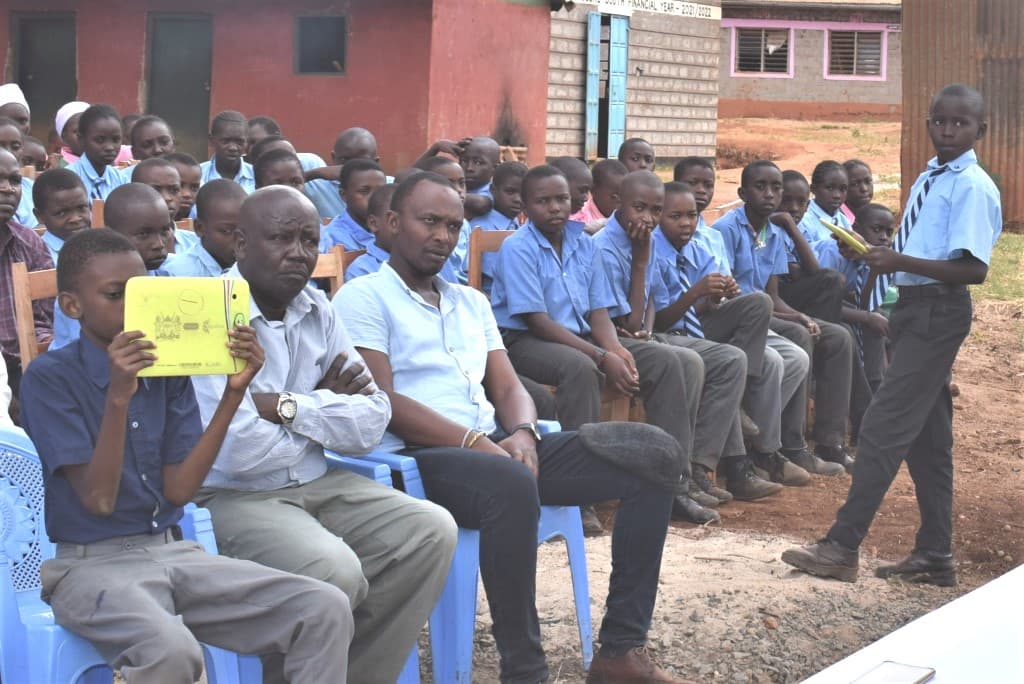
The glossy promise of the Competency-Based Education (CBE) system is fading fast, dimmed by a harsh reality of policy blunders and chronic underfunding. What was touted as a revolutionary shift from the rote-learning of 8-4-4 to a skills-based future is now mired in implementation chaos, leaving teachers frustrated, parents broke, and learners confused.
A deep dive into the current state of education reveals a system running on fumes. Despite a budget allocation of nearly Sh700 billion, schools are struggling to keep the lights on. The problem isn't just money; it is the structural flaws in how that money is deployed. The reliance on bursaries—often distributed at the whim of politicians—has replaced predictable capitation, turning a constitutional right into a political favor.
Critics argue that classrooms have ceased to be civic spaces of learning and have become "transactional marketplaces." Teachers, whose salaries have stagnated, are forced to chase parents for levies to buy chalk and exam papers. Parents, already squeezed by the economy, view every request from the school with suspicion. This breakdown in trust is poisoning the ecosystem of learning.
The policy disconnect is glaring. The government issues directives for "free education" and "100% transition" without providing the resources to match. Headteachers are left to perform magic, squeezing 60 students into classrooms built for 40, all while being told not to charge fees. It is a recipe for mediocrity.
The bursary system has emerged as a major villain in this narrative. Instead of fixing the systemic funding gaps, politicians use bursaries to look helpful. They dole out cheques like charity, creating a dependency culture that serves their re-election bids but does nothing to improve the quality of education. "Bursaries exist because free education does not," notes one analyst. They are a confession of failure.
For CBE to regain its shine, the government must move beyond rhetoric. It requires a hard reset on policy planning. Capitation must be timely and sufficient. The teacher shortage must be addressed not with interns, but with permanent hires. And critically, the politicization of school funding through bursaries must end.
The future of a generation is at stake. Unless these policy flaws are corrected, CBE risks becoming another lost opportunity—a brilliant concept dimmed by the darkness of poor planning and political greed.
Keep the conversation in one place—threads here stay linked to the story and in the forums.
Sign in to start a discussion
Start a conversation about this story and keep it linked here.
Other hot threads
E-sports and Gaming Community in Kenya
Active 9 months ago
The Role of Technology in Modern Agriculture (AgriTech)
Active 9 months ago
Popular Recreational Activities Across Counties
Active 9 months ago
Investing in Youth Sports Development Programs
Active 9 months ago



