We're loading the full news article for you. This includes the article content, images, author information, and related articles.
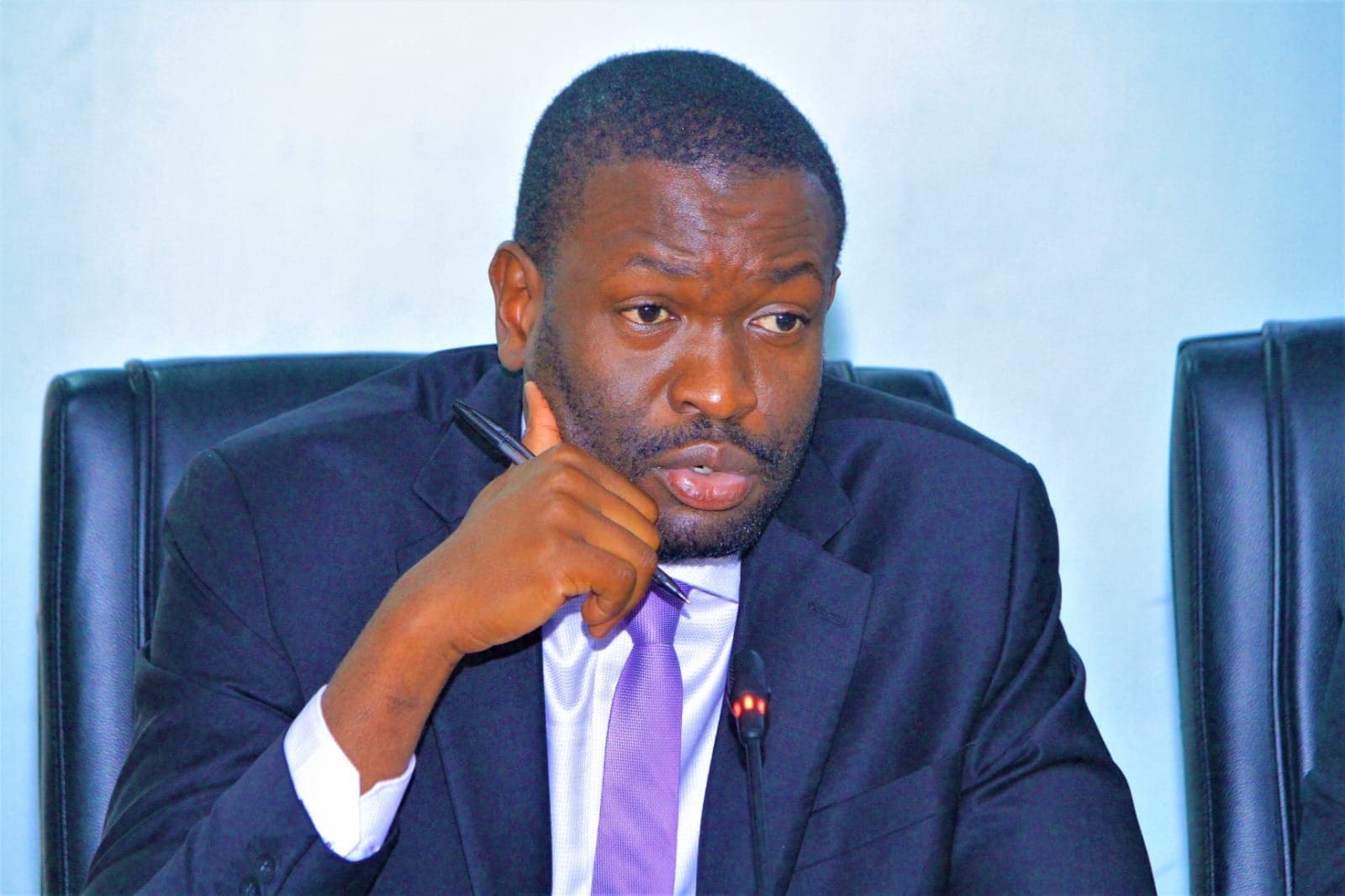
Nairobi Senator Edwin Sifuna has condemned the disruption of the planned Orange Democratic Movement (ODM) meeting at Ufungamano House, alleging police interference.
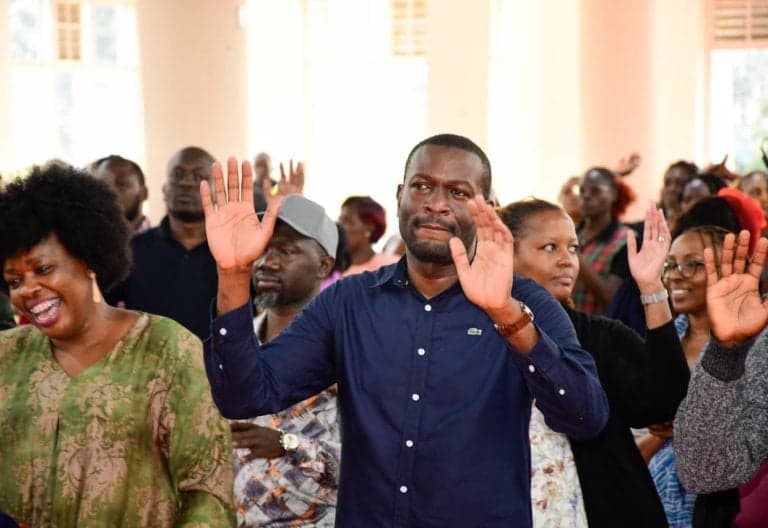
Heavy-handed police cordons turned Ufungamano House into an inaccessible fortress on Friday, effectively stifling a pivotal Orange Democratic Movement meeting as security forces enforced a rigid lockdown on opposition political activity in the heart of the capital. The sudden deployment of officers, armed with riot gear and barricades, prevented party officials and delegates from accessing the venue, bringing the machinery of the opposition to a grinding halt.
The disruption of this gathering, which was intended to rally delegates and strategize for critical upcoming internal party processes, strikes at the very foundation of Kenya’s constitutional right to assembly. As Nairobi Senator Edwin Sifuna decried the move as an unconstitutional affront to political freedom, the incident forces a hard look at the widening chasm between the government’s security priorities and the opposition’s ability to organize. With a growing number of supporters observing from the periphery, the standoff signals a volatile and potentially dangerous shift in Kenya’s democratic landscape, where the line between public order and political suppression appears increasingly blurred.
The situation began in the early hours of Friday morning, as reports surfaced that security forces had effectively sealed off Ufungamano House. According to witnesses on the ground, the officers cited unspecified security concerns as the primary justification for the prohibition. For the organizers of the ODM meeting, the blockade was not merely a logistical inconvenience but a calculated attempt to dismantle the party’s grassroots coordination efforts.
Senator Edwin Sifuna, arriving at the scene to confront the security detail, described the action as a flagrant violation of the Political Parties Act and the Constitution of Kenya. Sifuna argued that the police had failed to produce any valid court order or lawful directive to justify the denial of access to a private facility. For the delegates who had traveled from various parts of Nairobi, the inability to convene resulted in significant lost time and resources, estimated by party planners to be in the millions of shillings, a substantial hit for a political entity already managing tight operational budgets.
The incident at Ufungamano House is not an isolated event but rather the latest manifestation of a deepening legal conflict in Kenya. Article 37 of the Constitution of Kenya provides every person the right to peaceably and unarmed, assemble, demonstrate, picket, and present petitions to public authorities. However, the operationalization of this right frequently clashes with the Public Order Act, which grants the police significant latitude to manage public gatherings, particularly in instances where they perceive a risk to national security or public safety.
Legal experts and constitutional scholars argue that the police often misuse these provisions to create a chilling effect on political expression. By declaring political gatherings as high-security risks without providing evidence, the state effectively bypasses the judiciary. When the police block meetings without prior judicial oversight, they undermine the democratic principle that the government should facilitate, rather than obstruct, the free exchange of political ideas. This recurring tension between state security mandates and individual liberties remains one of the most significant challenges to Kenya’s democratic maturation.
The choice of Ufungamano House as the flashpoint for this conflict is particularly loaded with historical significance. In the 1990s, the venue served as the epicenter of the constitutional reform movement, where civil society groups and pro-democracy advocates gathered to agitate against authoritarianism. The fact that the same walls now bear witness to the suppression of an opposition party is not lost on the political class.
By targeting this specific location, the state’s actions may be perceived as a symbolic assertion of power—an attempt to reclaim the physical spaces of political discourse. For the ODM, the move is a direct challenge to its ability to mobilize its urban base in Nairobi. The party has historically relied on such forums to consolidate support and communicate policy agendas to the electorate. Denying them the space to organize is, in effect, an attempt to isolate the party from its supporters.
As the dust settles on the confrontation, the implications for the broader political ecosystem are profound. Political analysts warn that if the state continues to use police intervention as a default tool for managing political dissent, it risks driving opposition activities underground. This move, while perhaps intended to reduce visibility, could exacerbate existing tensions and create a more unpredictable political environment.
The ODM leadership is currently consulting on the next steps, with some members calling for legal action against the individuals responsible for the order. The incident serves as a stark reminder that the democratic process in Kenya remains fragile. As the country moves toward the next electoral cycle, the battle for the right to assemble will likely intensify, becoming a defining feature of the political discourse. For now, the Ufungamano incident stands as a test of the resilience of Kenya’s institutions in protecting the basic liberties that form the backbone of a functioning democracy. The question that remains for the electorate is not just about the right to meet, but about the future of political pluralism in a country where space for the opposition is increasingly narrowing.
Keep the conversation in one place—threads here stay linked to the story and in the forums.
Sign in to start a discussion
Start a conversation about this story and keep it linked here.
Other hot threads
E-sports and Gaming Community in Kenya
Active 10 months ago
The Role of Technology in Modern Agriculture (AgriTech)
Active 10 months ago
Popular Recreational Activities Across Counties
Active 10 months ago
Investing in Youth Sports Development Programs
Active 10 months ago
Key figures and persons of interest featured in this article