We're loading the full news article for you. This includes the article content, images, author information, and related articles.
With the January 12 reporting date looming, over a third of Grade 9 learners are fighting their placements while the government races to finish 1,600 laboratories by March.
NAIROBI — For thousands of Kenyan households, the festive season has been replaced by a frantic scramble. With less than two weeks before the pioneer Competency-Based Curriculum (CBC) cohort reports to Grade 10, the transition to Senior School has morphed from a milestone into a logistical nightmare.
The anxiety is palpable. Over 1.1 million learners are set to make history on January 12, 2026, as they step into Senior School. Yet, the Ministry of Education is currently besieged by over 350,000 placement appeals—meaning nearly one in three students is unhappy with the school they have been assigned. It is a crisis of confidence that threatens to derail the most significant education reform in decades.
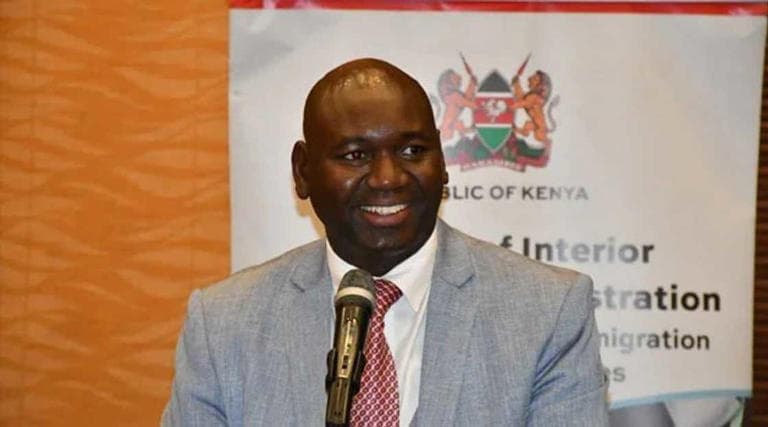
The core of the crisis lies in a mismatch between aspiration and reality. Basic Education Principal Secretary Julius Bitok revealed that the bulk of rejected appeals come from students vying for slots in top-tier national schools, which are already bursting at the seams. "There is a problem of capacity," the Ministry noted, highlighting that over 50,000 learners applied for fewer than 20 elite institutions, each with an average capacity of just 500.
For the Kenyan parent, this is not just about prestige; it is about resources. The fear is that "village" day schools lack the specialized infrastructure required for the new STEM, Arts, and Sports pathways. While the government has approved 116,000 transfer requests, some 24,000 have been flatly rejected due to lack of space, leaving families in limbo.
Beyond the placement headache, the physical readiness of schools remains a contentious issue. President William Ruto, speaking in Narok on Sunday, sought to allay fears, announcing that 23,000 classrooms have been completed. However, the devil is in the timeline.
"No child will miss the opportunity to go to Senior School," President Ruto assured, but for a Grade 10 student expected to specialize in STEM (Science, Technology, Engineering, and Mathematics), starting the term without a functional laboratory is a shaky foundation.
Infrastructure is useless without instructors. The Teachers Service Commission (TSC) is racing to recruit 24,000 teachers before the bell rings in January. TSC Acting CEO Eveleen Mitei emphasized that 60% of these slots are reserved for STEM teachers, acknowledging the acute shortage in science departments.
Critics argue this is too little, too late. With 1.13 million students entering a system that requires specialized career pathways, the current teacher-to-student ratio in public schools remains a critical bottleneck. The government’s plan relies heavily on these new recruits hitting the ground running, a tall order for a curriculum that demands a complete shift in pedagogy.
As the clock ticks down to January 12, the Ministry of Education maintains that the "hiccups" are manageable. But for the parents camping at ministry offices and the headteachers staring at unfinished construction sites, the reality is far more precarious. The success of the CBC now hinges not on policy papers, but on what happens when the gates open in January.
Keep the conversation in one place—threads here stay linked to the story and in the forums.
Sign in to start a discussion
Start a conversation about this story and keep it linked here.
Other hot threads
E-sports and Gaming Community in Kenya
Active 9 months ago
The Role of Technology in Modern Agriculture (AgriTech)
Active 9 months ago
Popular Recreational Activities Across Counties
Active 9 months ago
Investing in Youth Sports Development Programs
Active 9 months ago