We're loading the full news article for you. This includes the article content, images, author information, and related articles.
A false earthquake warning from a top U.S. agency sent shockwaves of a different kind, raising urgent questions for Kenya about the automated systems we increasingly trust for our safety.
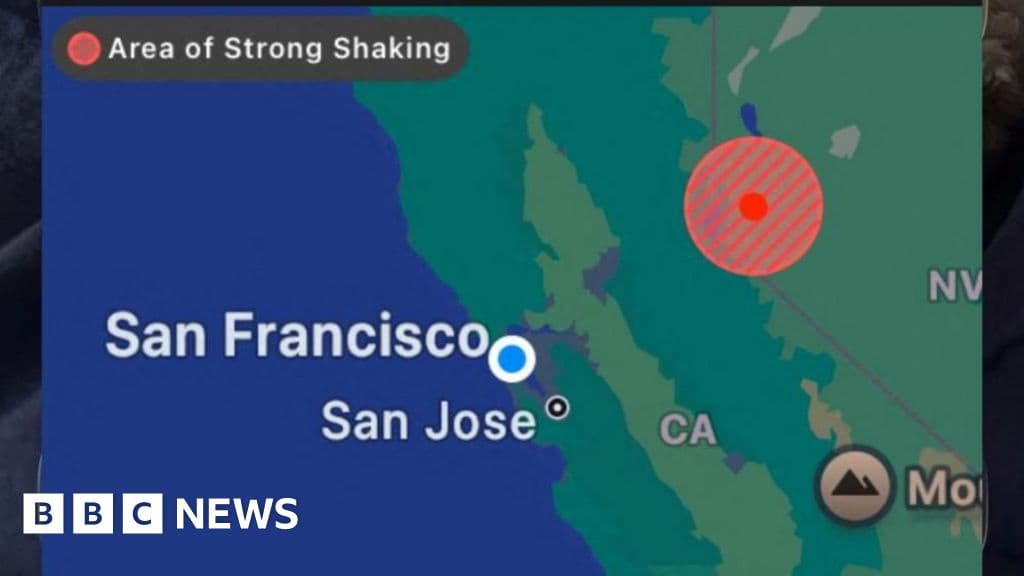
A major alert for a magnitude 5.9 earthquake in Nevada, USA, sent phones buzzing hundreds of miles away on Thursday, only for authorities to declare it a ghost in the machine. The incident has ignited a critical conversation on the vulnerabilities of the automated alert technologies Kenya is rapidly adopting.
The alert, issued by the United States Geological Survey (USGS) at 8:06 AM local time, warned of a strong quake near Carson City. For several minutes, communities were advised to take cover before the USGS retracted the warning, confirming no earthquake had occurred. The agency is investigating the malfunction, noting it was likely the first time it had issued a completely false quake report.
While Nevada is thousands of kilometres away, the blunder serves as a timely cautionary tale. Kenya is actively rolling out its own sophisticated disaster warning systems to manage threats like floods and drought, particularly in vulnerable regions. In May 2025, the government launched the 'Early Warnings for All' (EW4All) initiative, aiming to ensure every citizen receives life-saving alerts by 2027.
This initiative leans heavily on ICT, from digital monitoring networks to a cell broadcast emergency alert system. The American system's unprecedented failure highlights the immense responsibility placed on these automated platforms and the potential for chaos if they falter.
Kenya itself is not immune to seismic activity. The country is cut by the seismically active East African Rift Valley, with cities like Nakuru and Eldoret facing a medium hazard level. While major earthquakes are less frequent than in other parts of the world, the potential for damage exists. This reality underscores the need for reliable warning systems.
Key facts about the Nevada incident include:
As we invest more in technology to safeguard lives, the Nevada phantom quake is a stark reminder. It proves that the most critical component of any warning system is not just its speed, but its accuracy and the public's trust in it. That trust is fragile and must be protected above all.
Keep the conversation in one place—threads here stay linked to the story and in the forums.
Sign in to start a discussion
Start a conversation about this story and keep it linked here.
Other hot threads
E-sports and Gaming Community in Kenya
Active 9 months ago
The Role of Technology in Modern Agriculture (AgriTech)
Active 9 months ago
Popular Recreational Activities Across Counties
Active 9 months ago
Investing in Youth Sports Development Programs
Active 9 months ago



