We're loading the full news article for you. This includes the article content, images, author information, and related articles.
The diplomatic rift between the two Latin American nations deepens after Mexico granted asylum to a former Peruvian prime minister implicated in a 2022 coup attempt, raising questions about the international law of political asylum and regional stability.
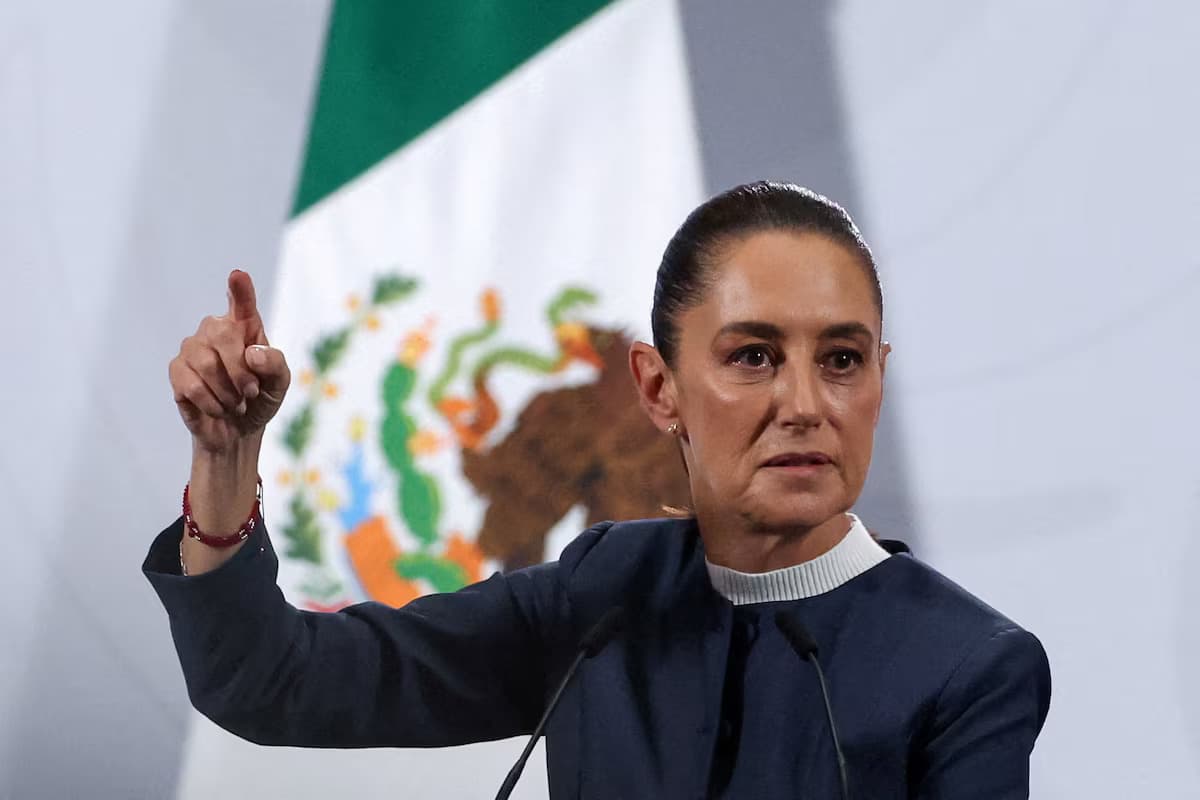
Peru's Congress voted on Thursday, November 6, 2025, to declare Mexican President Claudia Sheinbaum 'persona non grata', escalating a diplomatic firestorm between the two nations. The move, which passed with 63 votes in favor, 34 against, and two abstentions, signals a significant deterioration in relations, rooted in Mexico's decision to grant political asylum to former Peruvian Prime Minister Betssy Chávez. Chávez is facing prosecution for her alleged role in what Peruvian authorities describe as a coup attempt by then-President Pedro Castillo in December 2022.
This declaration followed Peru's severing of diplomatic ties with Mexico on Monday, November 3, 2025. Peru's interim President, José Jerí, announced the rupture, labeling Mexico's asylum grant an "unfriendly act" and a form of "repeated interference" in Peru's internal affairs. In response, Mexico's top diplomat in Lima was given a strict deadline to leave the country. The Mexican government has defended its actions, stating it acted in compliance with international law and its long tradition of providing asylum. Mexico's Foreign Affairs Ministry rejected the 'persona non grata' declaration as being based on "false assertions" and called Peru's decision to break ties "excessive and disproportionate".
At the heart of the dispute is Betssy Chávez, who served as Prime Minister under President Pedro Castillo. On December 7, 2022, facing a third impeachment vote, Castillo announced on television the dissolution of Congress and the establishment of an emergency government, a move widely condemned as a self-coup. The attempt failed as the military and police did not support him, and Congress swiftly voted to impeach and remove him from office. Castillo was arrested the same day while reportedly en route to the Mexican embassy to seek asylum himself.
Prosecutors in Peru allege Chávez was a co-author of the coup attempt and are seeking a 25-year prison sentence on charges of rebellion and conspiracy. Chávez, who denies the charges, was held in pre-trial detention but was later released on bail. She subsequently sought refuge in the Mexican embassy in Lima, where she remains. While Mexico has granted her asylum, the Peruvian government has not yet issued the safe passage required for her to leave the country, stating it is analyzing the legalities under the 1954 Caracas Convention on Diplomatic Asylum.
The diplomatic clash occurs amidst significant political instability in Peru. The country has seen a rapid succession of presidents in recent years. Castillo's successor, Dina Boluarte, was herself impeached and removed from office in October 2025 amid widespread protests and accusations of failing to handle a surge in crime, leading to José Jerí's interim presidency. This ongoing turmoil has left the nation deeply divided.
Mexico's government, under both President Sheinbaum and her predecessor, has been a vocal supporter of Pedro Castillo, whom they consider the legitimate president and a victim of political persecution. This stance is viewed by Peru's current government as unacceptable interference. The situation highlights differing interpretations of the right to asylum, a long-standing tradition in Latin America. While Mexico views its actions as upholding a humanitarian principle for the politically persecuted, Peru sees it as sheltering an individual accused of serious common crimes against the constitutional order.
For Kenya and East Africa, this dispute offers a distant but relevant case study in the complexities of international relations, particularly concerning the principles of national sovereignty and non-interference. It underscores how political asylum for high-profile figures can become a major point of contention between nations, straining diplomatic and economic ties. While direct impacts on Kenya are minimal, the situation serves as a reminder of the delicate balance required in managing international law, human rights, and bilateral relationships, issues that are pertinent to diplomacy worldwide.
Keep the conversation in one place—threads here stay linked to the story and in the forums.
Sign in to start a discussion
Start a conversation about this story and keep it linked here.
Other hot threads
E-sports and Gaming Community in Kenya
Active 9 months ago
The Role of Technology in Modern Agriculture (AgriTech)
Active 9 months ago
Popular Recreational Activities Across Counties
Active 9 months ago
Investing in Youth Sports Development Programs
Active 9 months ago



