We're loading the full news article for you. This includes the article content, images, author information, and related articles.
US defense chief Pete Hegseth is refusing to release the full video of a controversial September 2nd strike that killed two survivors, sparking accusations of a war crime and escalating a diplomatic standoff.

The Pentagon is withholding the full video of a deadly US military strike in the Caribbean, a move that deepens a fierce controversy over a potential war crime and what critics are calling a blatant cover-up.
At the heart of the storm is a September 2nd attack on a vessel alleged to be smuggling narcotics from Venezuela. After an initial strike, two survivors were reportedly killed while clinging to the wreckage. This action has prompted legal experts to warn that US forces may have committed a war crime, as international law prohibits attacking shipwrecked or wounded combatants who no longer pose a threat.
The refusal to release the footage now places the Trump administration's aggressive anti-narcotics campaign under intense scrutiny, raising urgent questions for nations like Kenya about the established rules of maritime security and the unchecked actions of global superpowers.
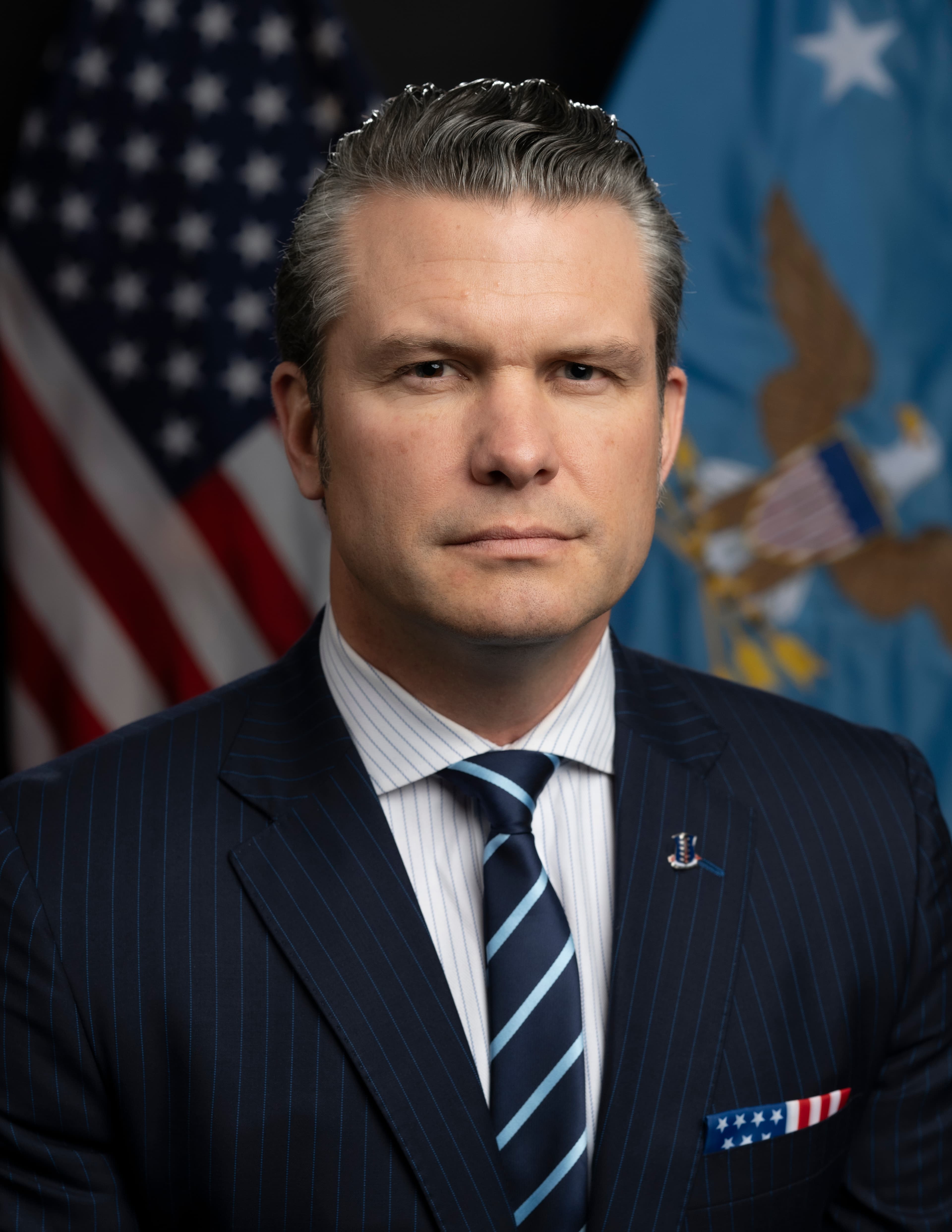
Pentagon chief Pete Hegseth confirmed on Tuesday that the full, unedited video would not be made public, citing longstanding Defense Department policy regarding top-secret materials. "Of course, we’re not going to release a top-secret, full, unedited video of that to the general public," Hegseth told reporters after a classified briefing with senators.
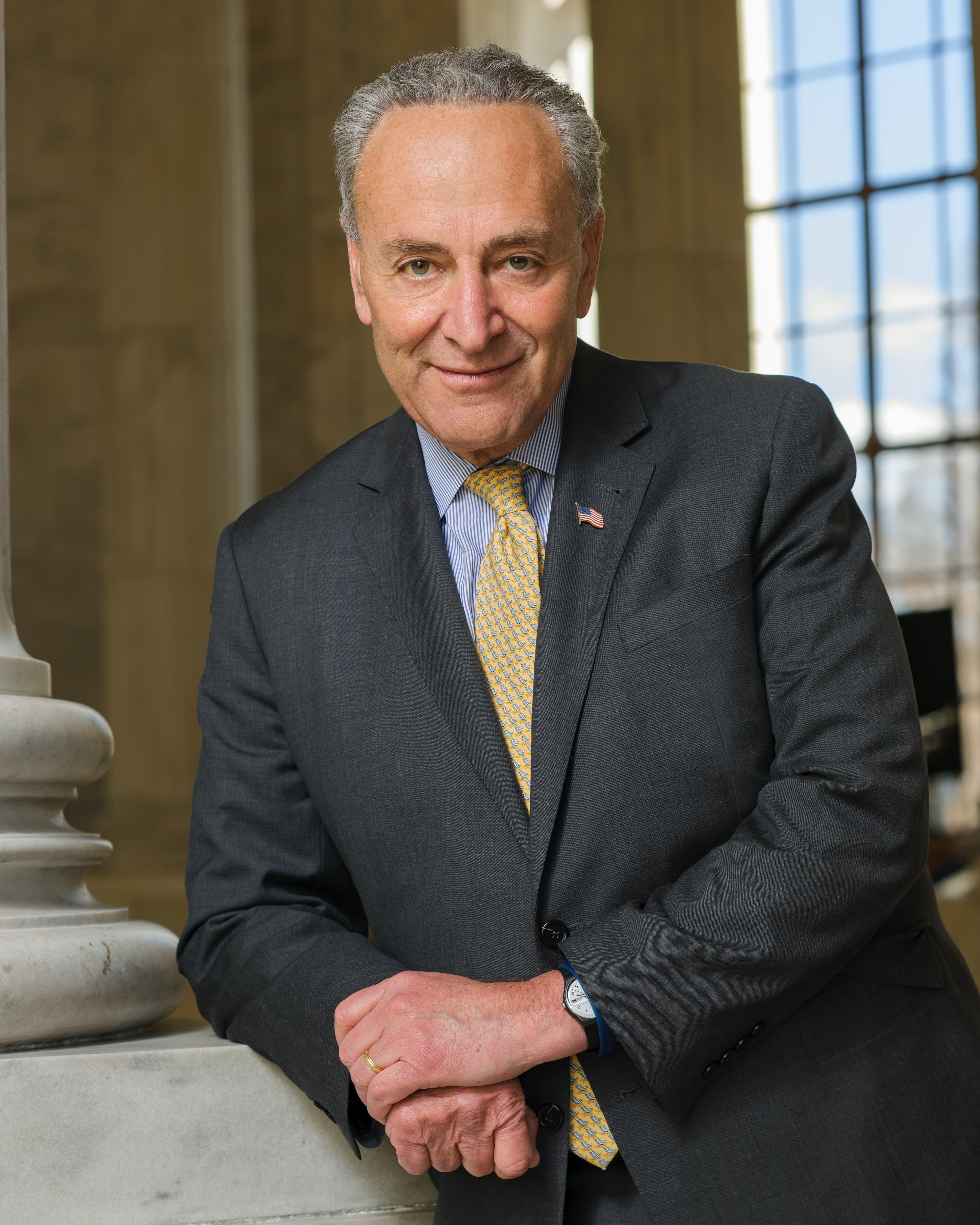
The decision came despite President Donald Trump having previously suggested he would support making the footage public before backtracking. Top Senate Democrat Chuck Schumer blasted the secrecy, stating he demanded Hegseth show the full video during the closed-door briefing, but the secretary refused. "The administration came to this briefing empty-handed," Schumer noted.
While the Pentagon has offered a private viewing for members of the armed services committees, this has done little to quell the demands for public transparency.
The strike is the most controversial part of 'Operation Southern Spear', a massive US naval deployment in the Caribbean aimed at stopping drug flows from South America. While the US administration labels the targets "narco-terrorists," critics argue the operations challenge international law by conducting extrajudicial killings in international waters.
For Kenya, which actively participates in international maritime security efforts to combat piracy and drug trafficking in the Indian Ocean, the US's actions set a worrying precedent. Key principles of Kenyan maritime law, such as the freedom of the high seas and adherence to international conventions, are central to regional stability and trade.
As long as the full details of the September 2nd strike remain shrouded in secrecy, the line between legitimate anti-trafficking operations and unlawful military aggression remains dangerously blurred—a reality that will be watched closely from Washington to Mombasa.
Keep the conversation in one place—threads here stay linked to the story and in the forums.
Sign in to start a discussion
Start a conversation about this story and keep it linked here.
Other hot threads
E-sports and Gaming Community in Kenya
Active 10 months ago
The Role of Technology in Modern Agriculture (AgriTech)
Active 10 months ago
Popular Recreational Activities Across Counties
Active 10 months ago
Investing in Youth Sports Development Programs
Active 10 months ago
Key figures and persons of interest featured in this article