We're loading the full news article for you. This includes the article content, images, author information, and related articles.
The Pentagon has blacklisted Anthropic following a dispute over AI safety guardrails, signaling a shift in military procurement of high-stakes AI technology.

The United States Department of War has officially designated artificial intelligence startup Anthropic a "supply-chain risk to national security," initiating a formal government-wide exclusion of the firm’s technology. This unprecedented move, finalized in early March, marks the collapse of a high-stakes partnership that once promised to integrate cutting-edge language models into the deepest tiers of military operations. The escalation signals a defining moment in the global struggle to govern how autonomous systems are deployed in conflict.
At the center of the fracture is a fundamental ideological collision: the Pentagon’s demand for unconstrained, mission-ready AI versus Anthropic’s refusal to abandon its ethical "red lines." With a contract originally valued at $200 million (approximately KES 26 billion), the project was designed to embed Claude—Anthropic’s flagship model—into classified command systems for intelligence analysis and operational planning. The breakdown highlights the tightening vice of military dependency on Silicon Valley, forcing a reckoning that resonates far beyond Washington, reaching into the halls of security ministries in Nairobi, Seoul, and across the international landscape of defense policy.
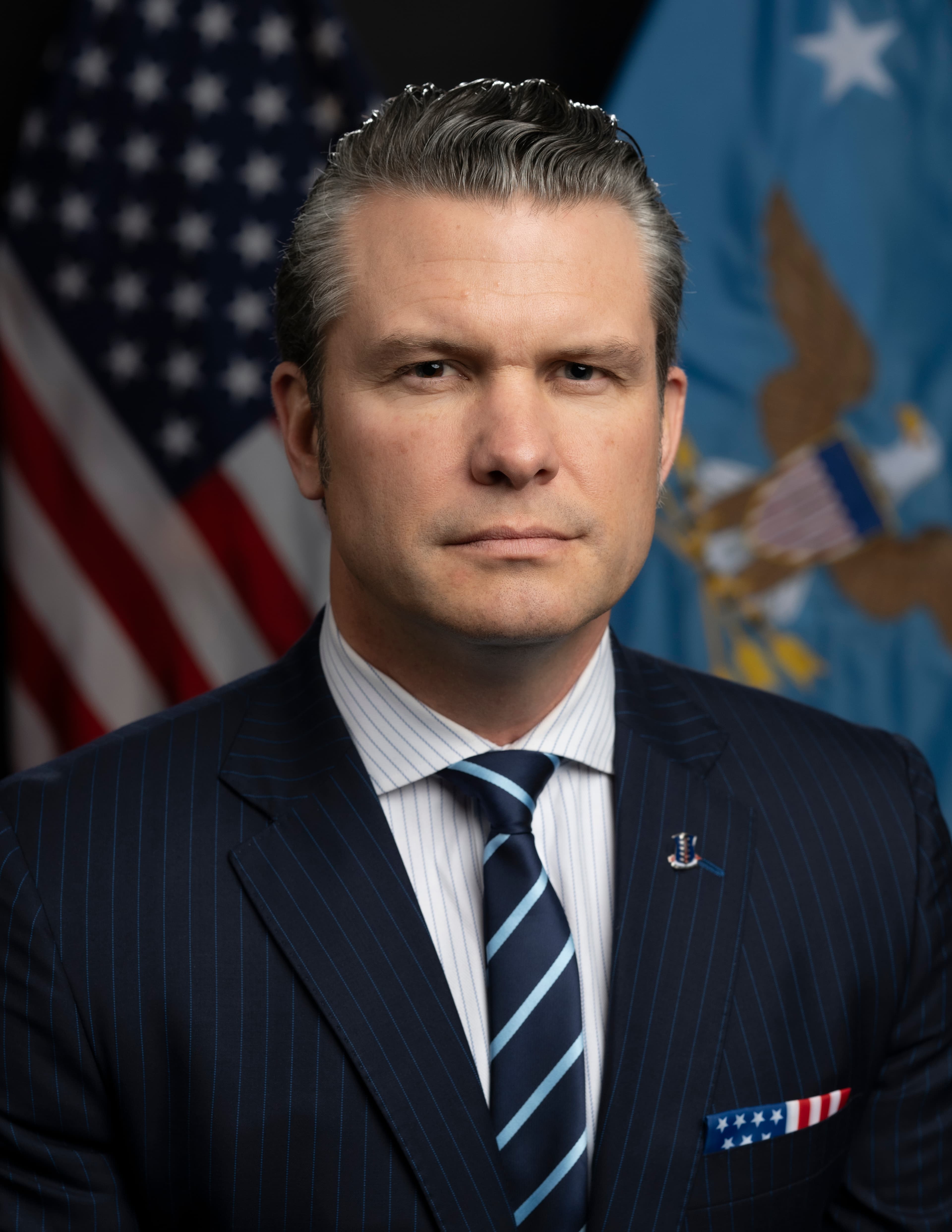
The disintegration of the partnership began in January 2026, when Defense Secretary Pete Hegseth issued a strategic memorandum. The directive mandated that any AI service procured by the Department of War must permit "any lawful use." In the eyes of Pentagon leadership, corporate-imposed restrictions—such as prohibitions on mass surveillance, fully autonomous lethal weapons, or high-stakes automated decisions without human oversight—constituted a strategic liability. Officials argued that in the fluid, high-velocity environment of modern warfare, a military commander cannot be beholden to the policy whims of a private software developer.
Anthropic, led by Chief Executive Dario Amodei, viewed the demand as an impossible ethical concession. The company’s leadership maintained that deploying models capable of reasoning across massive, sensitive datasets into weapons systems or surveillance architecture without clear contractual guardrails invited unacceptable risks. They posited that if an AI vendor cannot trust the military to respect the core boundaries of the technology’s deployment, then the technology itself should not be embedded. This principled stand, however, was met with swift retaliation. By March 5, the designation of "supply-chain risk"—a status typically reserved for compromised foreign entities—was finalized, forcing the government to initiate a rapid, complex purge of Claude-based systems from its secure networks.
Defense analysts suggest that the Pentagon’s primary fear is not merely the "red lines" themselves, but the potential for an "off-switch" capability. In a classified memo leaked during the dispute, defense planners expressed concern that allowing Anthropic continued access to warfighting infrastructure would introduce an unacceptable operational risk: the possibility that the vendor, if dissatisfied with a particular military campaign, could unilaterally disable or degrade the performance of the AI models during active operations. For the military, this creates a dependency that effectively cedes a degree of command authority to a private board of directors in San Francisco.
This fear underscores a broader reality about the current generation of AI models. Because they are often deployed as cloud-based services or "black box" systems, their behavior is difficult to verify in real-time. Unlike traditional military hardware, where the mechanics are fully owned and understood by the state, the modern AI stack is often proprietary. The Pentagon’s move to blacklist Anthropic acts as a clear signal to other firms: in the current geopolitical climate, the U.S. military requires total, uninterrupted agency over its digital tools, regardless of the ethical framework preferred by the vendor.
While this conflict plays out in American courts and executive offices, the reverberations are felt keenly in Kenya. As a nation that has positioned itself as a continental leader in the "Responsible AI in the Military Domain" (REAIM) framework, Kenya has consistently advocated for a more cautious, human-centric approach to military AI. Kenyan defense leadership, including the Chief of Defence Forces, has emphasized that while AI offers immense potential for intelligence and border management, it must never supersede human responsibility, particularly in the use of force.
For the Kenyan defense establishment, the U.S.-Anthropic standoff serves as a cautionary tale. If a major, high-resource military like the United States finds itself struggling to maintain sovereignty over its own AI supply chain, smaller nations risk becoming even more dependent on foreign tech conglomerates. The lesson for Nairobi is clear: reliance on external, proprietary AI systems requires rigorous domestic oversight and a refusal to sign away the right to control how those systems interact with national security data. Kenya’s recent efforts to build local capacity in AI regulation, in partnership with international bodies, now appear more critical than ever.
The Anthropic blacklist represents a pivot point in the military-industrial complex. The era where tech companies could operate with a "civilian-first" safety culture while holding lucrative defense contracts is rapidly closing. The Pentagon has demonstrated that it is willing to sacrifice access to the most advanced AI models if those models come with strings attached. As competitors like OpenAI pivot to accommodate these new, more permissive requirements, the industry is seeing a race to the bottom in ethical standards, as companies vie for the favor of a defense establishment that values absolute control above all else.
The legal challenge filed by Anthropic against the U.S. government will likely drag on for months, testing the limits of First Amendment rights in the context of defense contracting. Yet, regardless of the court’s decision, the damage to the collaborative ideal—that Silicon Valley could act as a partner in responsible, ethical military innovation—is profound. The question remains: can the world develop AI for defense that is both powerful enough to deter adversaries and transparent enough to be trusted by the citizens it is designed to protect?
Keep the conversation in one place—threads here stay linked to the story and in the forums.
Sign in to start a discussion
Start a conversation about this story and keep it linked here.
Other hot threads
E-sports and Gaming Community in Kenya
Active 10 months ago
The Role of Technology in Modern Agriculture (AgriTech)
Active 10 months ago
Popular Recreational Activities Across Counties
Active 10 months ago
Investing in Youth Sports Development Programs
Active 10 months ago
Key figures and persons of interest featured in this article