We're loading the full news article for you. This includes the article content, images, author information, and related articles.
A new bill compels international companies to reserve 80% of jobs for locals and source most goods within Kenya, aiming to tackle youth unemployment and boost the domestic economy.
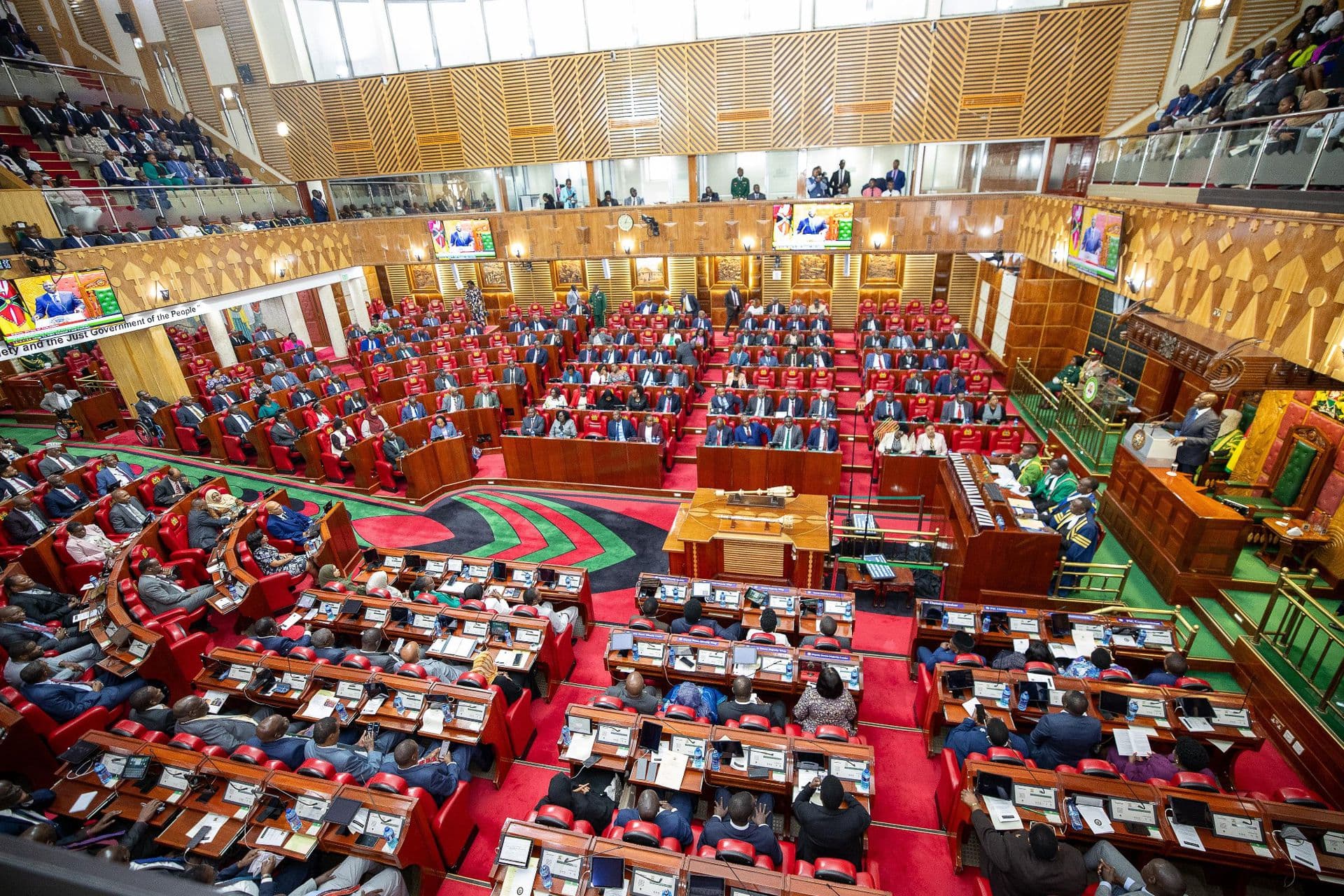
A decisive legislative push is underway to compel foreign-owned companies in Kenya to prioritize local talent and suppliers, a move that could reshape the country's employment and economic landscape. The Local Content Bill, 2025, championed by Laikipia Woman Representative Jane Kagiri, mandates that Kenyans must constitute at least 80% of the workforce in these firms, including top executive roles.
This initiative directly confronts the pressing issue of youth unemployment and aims to ensure that the profits of foreign investment translate into tangible benefits for ordinary Kenyans. For years, concerns have mounted that the lack of a strong regulatory framework has allowed international companies to import labour and supplies, even when local alternatives are readily available, leading to capital flight and stunting local industry growth.
The bill's provisions are sweeping. Beyond the employment quota, it requires foreign firms to procure at least 60% of their goods and services from local businesses. This covers a wide range of sectors, including finance, insurance, construction, and logistics. For companies in the agricultural sector, the proposed law is even stricter, demanding that 100% of agricultural raw materials be sourced from Kenyan farmers.
Ms. Kagiri argues that these measures are critical for fostering fair business practices and making the local market more competitive. "Investments by foreign companies in Kenya have had minimal positive economic effect on the country due to profit repatriation," she noted, emphasizing the need for a legal framework that ensures foreign investments create jobs for Kenyan youth.
To ensure compliance, the bill introduces severe penalties. Companies found in violation face fines starting at KES 100 million (approx. $775,000 USD), and their chief executives could face a minimum of one year in prison. This robust enforcement mechanism signals a significant shift from the current environment, where no legal requirement exists for foreign firms to reserve a specific percentage of jobs for locals.
The proposed law comes as Kenya grapples with significant unemployment challenges, with various reports highlighting the struggle for job creation. The government's existing work permit system already requires proof that a foreign national possesses skills unavailable in the country, but this bill aims to codify and expand the 'Kenyans-first' policy across the board.
While the bill is designed to put more money into the pockets of Kenyans, its reception among business and investment communities remains a key question. Proponents believe it will spur domestic growth, enhance skills transfer, and create a more equitable economy. However, critics may warn that overly stringent local content requirements could deter foreign direct investment, which has been a significant driver of job creation. The government's challenge will be to implement the law in a way that protects local interests without undermining Kenya's status as an attractive investment hub in East Africa.
As the bill moves through Parliament, its progress will be closely watched by millions of job seekers and the multinational corporations that are a vital part of Kenya's economic fabric. The outcome will signal the future direction of Kenya's economic policy and its answer to the critical question: how to ensure global investment directly uplifts the nation's citizens.
Keep the conversation in one place—threads here stay linked to the story and in the forums.
Sign in to start a discussion
Start a conversation about this story and keep it linked here.
Other hot threads
E-sports and Gaming Community in Kenya
Active 9 months ago
The Role of Technology in Modern Agriculture (AgriTech)
Active 9 months ago
Popular Recreational Activities Across Counties
Active 9 months ago
Investing in Youth Sports Development Programs
Active 9 months ago
Key figures and persons of interest featured in this article