We're loading the full news article for you. This includes the article content, images, author information, and related articles.
As the Treasury charts a course through a "resilient yet uncertain" global economy, Kenyans have seven days to influence the fiscal pillars that will define the cost of living for the next year.
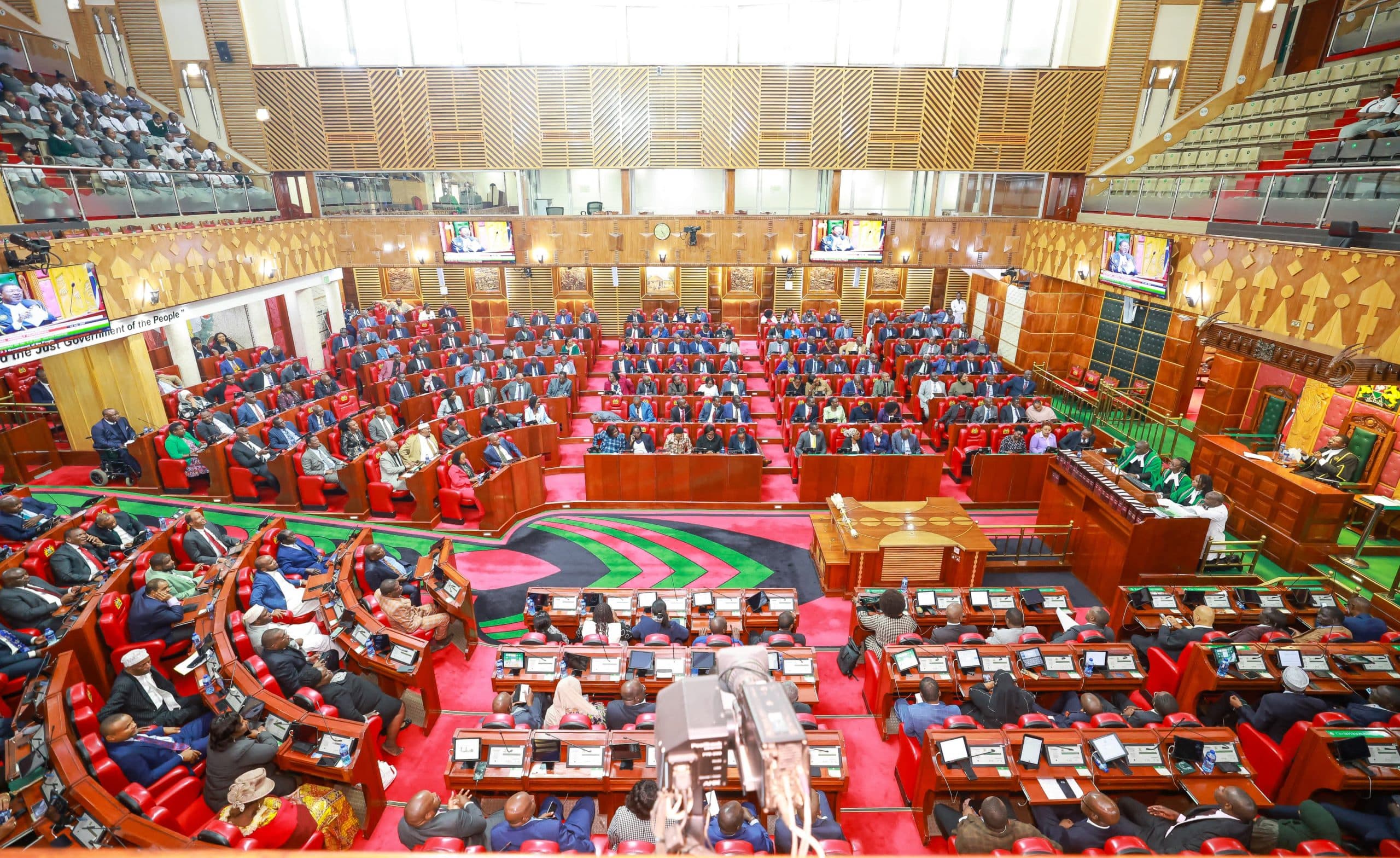
As the Treasury charts a course through a "resilient yet uncertain" global economy, Kenyans have seven days to influence the fiscal pillars that will define the cost of living for the next year.
The ritual of the national budget is often viewed as an esoteric exercise reserved for economists and bureaucrats, yet its consequences are felt in every household in Kenya. The National Assembly has officially opened the door for public participation in the 2026 Budget Policy Statement (BPS) and the Medium-Term Debt Management Strategy. With a deadline set for 5:00 pm on Monday, February 23, 2026, the window for influence is narrow, but the stakes are incredibly high.
This call for memoranda is not merely procedural; it is a constitutional imperative under Article 118. However, the context of this year's BPS is critical. It is the fourth budget cycle under the Kenya Kwanza administration, and it comes at a time when the government is aggressively trying to balance the books while funding its ambitious Bottom-Up Economic Transformation Agenda (BETA). The "So What" for the average citizen? This document decides the taxes you pay, the debt the country takes on, and the services you receive.
The 2026 BPS paints a picture of cautious optimism. [...](asc_slot://start-slot-9)The Treasury projects the economy will grow by 5.0% in 2025 and accelerate to 5.3% in 2026. This growth is predicated on a robust agricultural recovery and a resilient service sector. However, the numbers also reveal the government's thirst for revenue.
The public input will be channeled to two powerful committees. The Budget and Appropriations Committee will scrutinize the broad policy strokes—essentially, where the money is going. Simultaneously, the Public Debt and Privatization Committee will handle the radioactive issue of borrowing. With the Treasury flagging "elevated trade policy uncertainty" and "geopolitical tensions" as risks, the government’s strategy seems to be one of consolidation.
For the business community, the BPS signals a continued aggressive tax regime. The Cytonn Investment analysis of the draft BPS highlights a restriction on tax loss carryovers to five years and the removal of certain capital gains exemptions. These measures, designed to widen the tax base, may face stiff resistance during this public participation window.
The Clerk of the National Assembly has made the process straightforward, perhaps to encourage volume. Memoranda can be hand-delivered to Parliament Buildings or emailed directly to the Clerk's office. In a democracy, silence is often interpreted as consent. For civil society, the private sector, and the wananchi, the next seven days are the only guaranteed opportunity to formally challenge or support the government's spending plans before they become law. "The train is leaving the station," as the saying goes, and this is the last boarding call.
Keep the conversation in one place—threads here stay linked to the story and in the forums.
Sign in to start a discussion
Start a conversation about this story and keep it linked here.
Other hot threads
E-sports and Gaming Community in Kenya
Active 9 months ago
The Role of Technology in Modern Agriculture (AgriTech)
Active 9 months ago
Popular Recreational Activities Across Counties
Active 9 months ago
Investing in Youth Sports Development Programs
Active 9 months ago



