We're loading the full news article for you. This includes the article content, images, author information, and related articles.
A parliamentary committee has blocked a government move to regulate cooking gas importation through an open tender system, citing procedural flaws. The decision stalls efforts to lower prices for Kenyan households currently facing near-record high costs for the essential commodity.
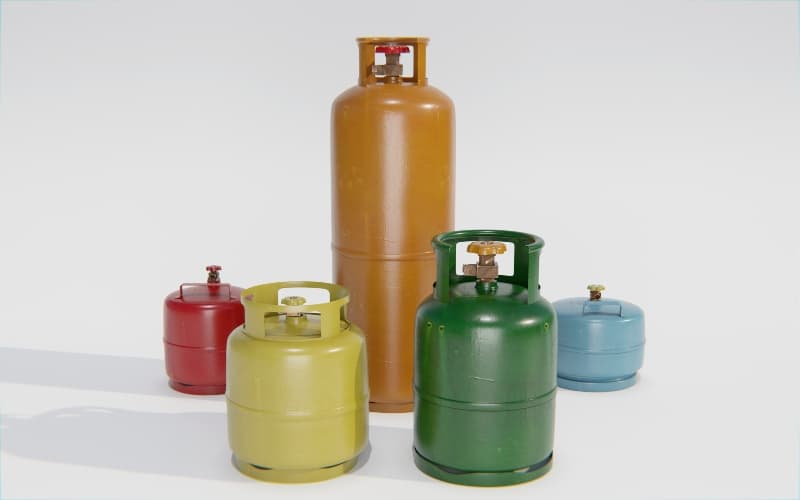
NAIROBI, KENYA – Hopes for a significant reduction in the price of cooking gas for millions of Kenyans were dashed this week after a key parliamentary committee rejected the government's plan to introduce a state-controlled open tender system (OTS) for its importation. The move, announced on Thursday, 6th November 2025, effectively halts a major policy shift intended to lower household energy costs and bring Liquefied Petroleum Gas (LPG) pricing under a regulatory framework similar to that for petrol and diesel.
The National Assembly Committee on Delegated Legislation recommended the complete annulment of the Petroleum (Operation of Common Petroleum Facilities) Regulations, 2025. In its report, the committee cited two primary reasons for the rejection: the government's failure to table the regulations within the legally mandated seven-day timeline after publication, and a lack of adequate public participation during their formulation, a constitutional requirement. The regulations were reportedly published on 10th May 2025 but were not transmitted to the Clerk of the National Assembly until 11th July 2025, well outside the stipulated period.
The rejected regulations were central to the government's strategy to dismantle the current system, where a few private companies control the importation of LPG through two main terminals. This private monopoly has been widely blamed for artificially high prices, as it prevents the state from intervening in the market. The Energy and Petroleum Regulatory Authority (EPRA) currently does not regulate LPG prices, unlike other petroleum products.
Under the proposed OTS, import tenders would have been awarded competitively to the company offering the lowest price, a mechanism the government argued would introduce competition and translate to cheaper gas for consumers. President William Ruto's administration has championed the OTS as a critical step towards fulfilling its promise to lower the cost of living and increase the adoption of clean cooking fuels from the current 24 percent to 70 percent by 2028. The regulations would have designated private gas handling terminals as common-user facilities, empowering EPRA to set tariffs for storage and handling, as well as determine wholesale and retail prices.
The committee's decision is a significant blow to Kenyan households already grappling with high energy costs. According to the Kenya National Bureau of Statistics, the average price for a 13-kilogram cylinder of cooking gas reached a 10-month high of KSh 3,158.35 in August 2025. These sustained high prices persist despite the government having previously introduced tax breaks aimed at making the commodity more affordable. The high cost has forced many families, particularly in low-income urban areas, to revert to cheaper but more hazardous fuels like kerosene, charcoal, and firewood, posing significant health and environmental risks.
The annulment also affects other progressive proposals embedded within the regulations. One such measure was the introduction of a system to sell cooking gas in smaller, token-based quantities. This 'pay-as-you-go' model was designed to make LPG accessible to low-income households who cannot afford the upfront cost of refilling a full cylinder.
The committee's report will now be presented to the full National Assembly for debate and a final vote. While the House has the power to reject the committee's findings, parliamentary tradition in Kenya suggests that recommendations from committees are often upheld. Should the annulment be adopted, the Ministry of Energy and EPRA will have to go back to the drawing board, potentially restarting the lengthy process of drafting and public consultation to bring the regulations back to Parliament.
EPRA's Director-General, Daniel Kiptoo, had previously stated that the now-rejected regulations were the legal foundation needed to shift to the OTS model. For now, the pricing of cooking gas will remain in the hands of private importers, leaving consumers waiting indefinitely for the relief the government had promised. The setback highlights the procedural and legal hurdles that can delay major policy interventions, even those aimed at addressing the high cost of living for ordinary citizens.
Keep the conversation in one place—threads here stay linked to the story and in the forums.
Sign in to start a discussion
Start a conversation about this story and keep it linked here.
Other hot threads
E-sports and Gaming Community in Kenya
Active 9 months ago
The Role of Technology in Modern Agriculture (AgriTech)
Active 9 months ago
Popular Recreational Activities Across Counties
Active 9 months ago
Investing in Youth Sports Development Programs
Active 9 months ago