We're loading the full news article for you. This includes the article content, images, author information, and related articles.
A deep dive into Pakistan's history with the FATF grey list reveals the devastating economic impact of terror financing and the arduous path to compliance.
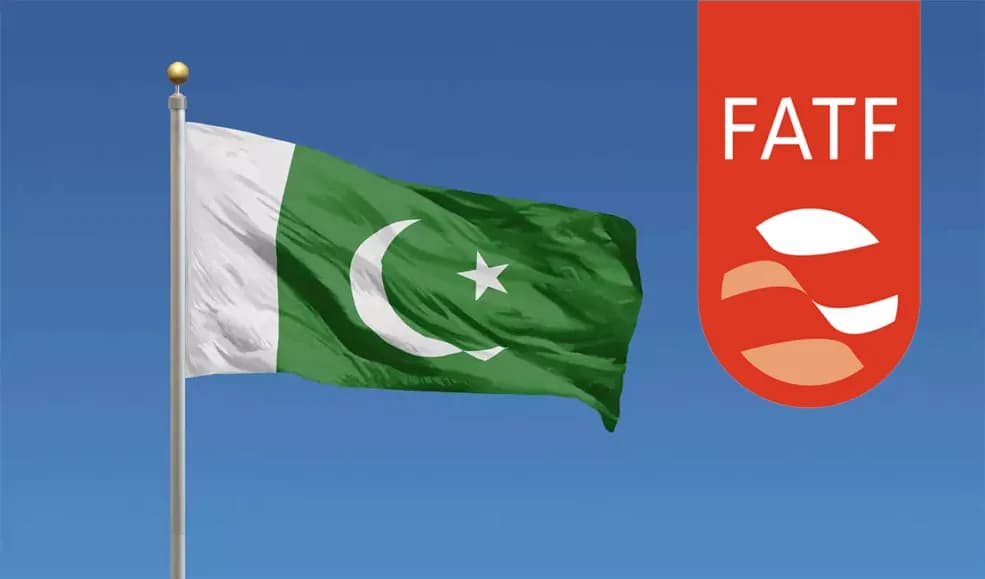
Pakistan’s tumultuous journey on and off the Financial Action Task Force (FATF) grey list serves as a stark reminder of the crippling economic cost of failing to choke the financial lifelines of terror groups.
As the country grapples with new compliance mandates in 2026, the ghosts of the "grey list" era continue to haunt its economy. For four long years, from 2018 to 2022, Pakistan languished under increased monitoring, a status that economists estimate cost the nation a staggering Sh4.9 trillion ($38 billion) in lost economic activity. The history of this struggle offers critical lessons for nations like Kenya, which have faced their own recent brushes with the global financial watchdog.
The FATF "grey list" is not merely a bureaucratic label; it is a signal to the global financial system that a country’s banks are unsafe. For Pakistan, this meant every international transaction faced enhanced scrutiny, foreign direct investment dried up, and imports became costlier. The country was forced to implement a grueling 27-point action plan, which included:
The "long-running concerns" mentioned in recent reports highlight that while Pakistan exited the list in late 2022, the pressure has not abated. The FATF demands sustainable, irreversible compliance. "You cannot just clean up for the inspection and then let the dust settle," notes a financial analyst in Islamabad. "The structural changes must be permanent."
For the Global South, Pakistan's experience is a cautionary tale. It underscores that sovereignty in the 21st century is inextricably linked to financial integrity. Terror financing does not just fund violence; it rots the economic core of a nation. As Pakistan navigates the 2026 landscape, the government remains on high alert, knowing that a return to the list would be a death knell for its fragile economic recovery. The message from Paris is clear: the eyes of the watchdog never truly close.
Keep the conversation in one place—threads here stay linked to the story and in the forums.
Sign in to start a discussion
Start a conversation about this story and keep it linked here.
Other hot threads
E-sports and Gaming Community in Kenya
Active 9 months ago
The Role of Technology in Modern Agriculture (AgriTech)
Active 9 months ago
Popular Recreational Activities Across Counties
Active 9 months ago
Investing in Youth Sports Development Programs
Active 9 months ago



