We're loading the full news article for you. This includes the article content, images, author information, and related articles.
The High Court dismisses a petition to reverse the Sh7 Road Maintenance Levy hike, ruling that public participation was adequate and dashing hopes for lower fuel prices.
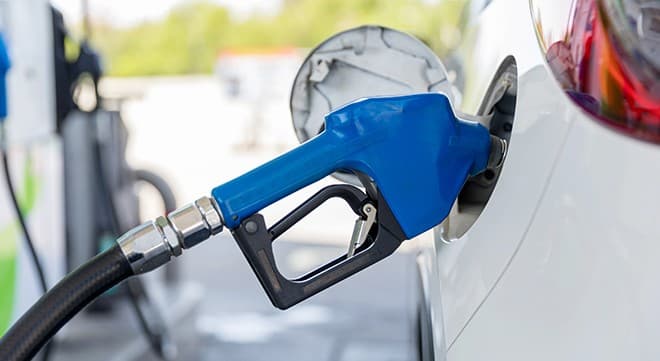
Motorists have been dealt a knockout blow as the High Court dismisses a petition to reverse the controversial Road Maintenance Levy increase.
The faint hope of cheaper fuel for Kenyans was extinguished today as the High Court upheld the government’s decision to increase the Road Maintenance Levy (RML) by Sh7 per litre. In a ruling that favors the state’s coffers over the citizen’s pocket, the court dismissed a petition by Haki Yetu Organisation that sought to declare the hike unconstitutional and force a refund to motorists. The judge ruled that the public participation process conducted by the Ministry of Roads and Transport—often criticized as a sham by activists—met the "reasonable" threshold required by the Constitution.
The levy, which was raised from Sh18 to Sh25 in July 2024, has been a major driver of the high cost of living, trickling down to transport costs and food prices. The petitioners had argued that the increase was rammed down the throats of Kenyans without meaningful consultation and that the timing was punitive. However, the court found that the government had provided a 10-day window for public memoranda, which it deemed sufficient for a "straightforward" policy change.
This judgment establishes a dangerous precedent for future tax hikes. By validating a truncated public participation window, the court has effectively lowered the bar for the government to introduce new levies. The ruling implies that as long as the state goes through the motions of inviting feedback—regardless of whether that feedback is incorporated—the legal requirements are met. It is a victory for bureaucratic procedure but a defeat for the spirit of Article 10 of the Constitution.
The court also noted the government’s submission that the Kenya Roads Board faced a deficit of Sh63 billion for road maintenance. The narrative accepted by the bench is one of fiscal necessity: without the extra Sh7, our roads would crumble. But for the motorist navigating the potholed streets of Nairobi, paying more for roads that remain in disrepair feels like legalized robbery.
The most painful part of the ruling for many was the rejection of the refund clause. Motorists have been paying this higher levy for months, contributing billions to the exchequer. The hope that this money would be returned or credited against future consumption has evaporated. The message from the judiciary is clear: once the government takes your money, getting it back is a near-impossibility.
“We are disappointed but not surprised,” said a representative for the petitioners. “The courts have once again sided with the executive against the struggling mwananchi.” As Kenyans drive home tonight, paying Sh25 for every litre just to maintain the roads, the bitter taste of this judgment will linger long after the tank is empty.
Keep the conversation in one place—threads here stay linked to the story and in the forums.
Sign in to start a discussion
Start a conversation about this story and keep it linked here.
Other hot threads
E-sports and Gaming Community in Kenya
Active 9 months ago
The Role of Technology in Modern Agriculture (AgriTech)
Active 9 months ago
Popular Recreational Activities Across Counties
Active 9 months ago
Investing in Youth Sports Development Programs
Active 9 months ago