We're loading the full news article for you. This includes the article content, images, author information, and related articles.
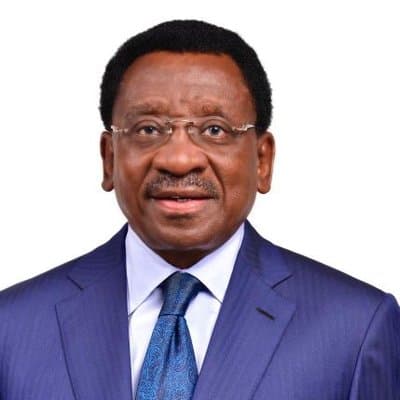
Siaya Governor James Orengo has vehemently defended his controversial meetings with President William Ruto at State House, arguing that his actions are dictated by constitutional mandates rather than political compromise or capitulation.

Siaya Governor James Orengo has vehemently defended his controversial meetings with President William Ruto at State House, arguing that his actions are dictated by constitutional mandates rather than political compromise or capitulation.
Facing intense criticism from loyalists within the Orange Democratic Movement (ODM) who view his engagement with the Kenya Kwanza administration as a betrayal, Orengo insists that securing county development requires pragmatic, high-level cooperation.
This justification highlights the complex, often contradictory dual roles played by opposition governors. They must relentlessly critique the national government politically, while simultaneously begging at its table financially to ensure local service delivery.
Governor Orengo, a foundational pillar of the Kenyan opposition and a fierce critic of the broad-based government arrangement, has found himself in the crosshairs of public opinion. His recent visits to State House Nairobi sparked immediate debate regarding his political consistency.
During a spirited defense on a local radio broadcast, Orengo systematically dismantled the accusations of double standards. He emphasized that the Kenyan Constitution explicitly demands functional collaboration between the national and county levels of government. He argued that political posturing cannot override the absolute necessity of delivering critical infrastructure to the residents of Siaya.
"I don't go to State House to beg on my knees," Orengo declared emphatically. "I go there on the basis that the constitution requires equity and fairness in the distribution of national resources."
The governor was quick to point out the tangible fruits of his controversial engagements. His diplomatic maneuvering directly resulted in massive capital commitments from the national treasury to his devolved unit.
Orengo noted that many critical sectors, such as affordable housing, higher education infrastructure, and healthcare, involve overlapping jurisdictions. By actively participating in state-led initiatives, he secured billions of shillings that would have otherwise bypassed an uncooperative opposition stronghold.
Despite his willingness to negotiate development deals, Orengo was careful to reiterate his ideological opposition to the political merger between ODM and UDA. He warned that the opposition party risks losing its essential identity and credibility if it formally enters into an alliance ahead of the 2027 elections.
This nuanced stance—collaborating for cash while resisting political absorption—is a high-wire act. Critics argue it confuses the electorate, but Orengo maintains it is the very definition of mature, constitutional statesmanship in a devolved system.
"Running a county depends on the brutal realities of the day; you cannot feed your constituents with mere political rhetoric."
Keep the conversation in one place—threads here stay linked to the story and in the forums.
Sign in to start a discussion
Start a conversation about this story and keep it linked here.
Other hot threads
E-sports and Gaming Community in Kenya
Active 9 months ago
The Role of Technology in Modern Agriculture (AgriTech)
Active 9 months ago
Popular Recreational Activities Across Counties
Active 9 months ago
Investing in Youth Sports Development Programs
Active 9 months ago
Key figures and persons of interest featured in this article