We're loading the full news article for you. This includes the article content, images, author information, and related articles.
SpaceX acquires xAI in a $1.5 trillion merger to launch solar-powered orbital data centers, aiming to solve the AI energy crisis by moving computation off-planet.
Elon Musk has executed the ultimate vertical integration, fusing his rocket empire with his artificial intelligence venture to build the world’s first orbital computer network. The $1.5 trillion merger promises to launch data centers into space, bypassing Earth’s energy grid constraints forever.
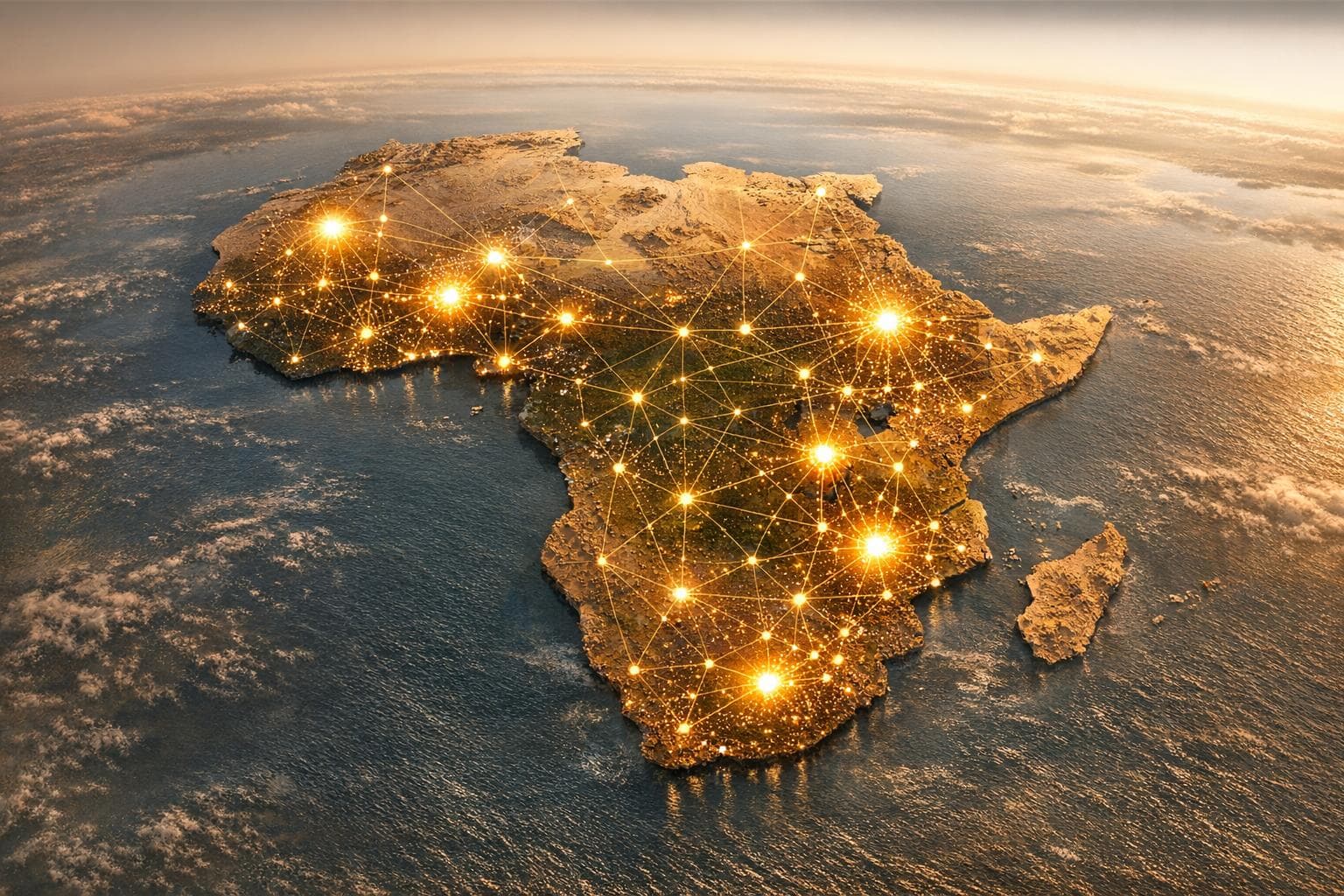
In a move that redefines the boundaries of industrial ambition, SpaceX has officially acquired xAI, the artificial intelligence startup behind the Grok chatbot. The deal, confirmed in a statement on Monday, creates a corporate colossus valued at over $1.25 trillion. But the financial valuation is merely a footnote to the engineering objective: Musk intends to use Starship rockets to deploy a constellation of solar-powered satellites that function as flying data centers, effectively offloading the energy-hungry demands of AI training from the terrestrial grid to the vacuum of space.
The merger addresses the single greatest bottleneck facing the AI industry: power. As terrestrial data centers drain national grids and face increasing regulatory scrutiny over their carbon footprints, Musk’s solution is to export the problem to orbit. “Space-based AI is obviously the only way to scale,” Musk wrote in the announcement. By harnessing unfiltered solar energy in space—where the sun never sets on a polar orbit—the new entity aims to create an "innovation engine on (and off) Earth" that operates with near-zero marginal energy costs.
The technical synergy is undeniable. SpaceX’s Starship, the largest rocket ever built, provides the lift capacity necessary to haul heavy server racks and cooling systems into Low Earth Orbit (LEO). Once deployed, these orbital nodes will communicate via laser links, forming a planetary-scale computer immune to blackouts, natural disasters, or geopolitical energy crises.
This consolidation brings Musk’s sprawling empire—comprising Tesla (robotics/batteries), X (data), SpaceX (transport), and xAI (intelligence)—under a unified strategic umbrella. Critics argue this concentration of power creates an unaccountable technocracy, but investors are already lining up. The "Pharaoh of Tech" has effectively bet that the future of intelligence lies not in silicon valleys, but in silicon orbits.
As the first "server satellites" prepare for manifestation, the message to Silicon Valley is clear: the cloud is no longer a metaphor. It is about to become a physical reality, orbiting 500 kilometers above our heads.
Keep the conversation in one place—threads here stay linked to the story and in the forums.
Sign in to start a discussion
Start a conversation about this story and keep it linked here.
Other hot threads
E-sports and Gaming Community in Kenya
Active 9 months ago
The Role of Technology in Modern Agriculture (AgriTech)
Active 9 months ago
Popular Recreational Activities Across Counties
Active 9 months ago
Investing in Youth Sports Development Programs
Active 9 months ago
Key figures and persons of interest featured in this article