We're loading the full news article for you. This includes the article content, images, author information, and related articles.
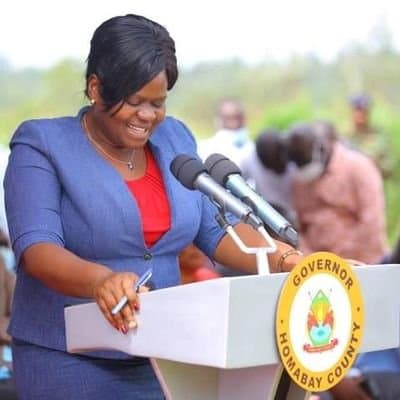
Businessman Oketch Salah has apologized to ODM Chair Gladys Wanga after the party disowned his unsanctioned rallies, sparking a debate on party discipline versus grassroots ambition.

The Orange Democratic Movement (ODM) has reasserted its command structure in a dramatic public rebuke that has left ambitious businessman Oketch Salah eating humble pie. After National Chairperson Gladys Wanga disowned his freelance political rallies as "strictly personal," Salah has issued a contrite apology, affirming that his loyalty to the party—and to the Odinga legacy—is "not for show."
This clash is more than a lovers' tiff; it is a battle for the soul and structure of Kenya's most enduring opposition machine. Salah, a self-styled youth mobilizer, had been organizing high-profile events, including a gathering at the KICC, decked out in party colors but operating outside the party's sanctioned secretariat. For Gladys Wanga, the iron lady of Homa Bay and the custodian of ODM's discipline, this freelance mobilization was a threat to order. Her midnight statement was a surgical strike: distancing the party from Salah’s activities and reminding all aspirants that the path to power runs through Chungwa House, not around it.
Salah’s response was calculated and deferential. "If I have hurt you, Chairlady Wanga, I sincerely apologize," he stated, skillfully pivoting from defiance to devotion. He framed his activities not as rebellion, but as a necessary injection of energy into a movement that he claims needs to be "refreshed." By insisting that he used his own personal resources, Salah attempted to insulate himself from accusations of financial impropriety while simultaneously signaling his financial muscle—a subtle flex in Kenyan politics.
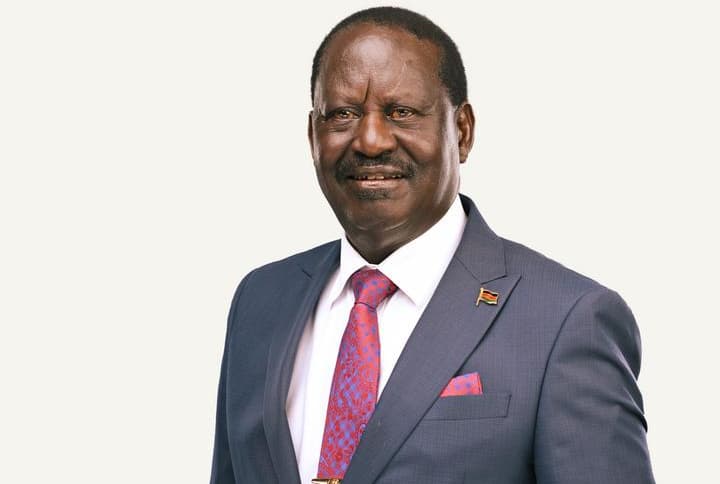
The "son of the soil" narrative Salah is weaving—claiming a bond with Raila Odinga akin to a father-son relationship—is a classic maneuver. It seeks to bypass the bureaucracy (Wanga and Oburu Oginga) by appealing directly to the spiritual head of the movement. However, ODM’s structure is rigid. The party leadership knows that uncontrolled "friends of the party" can easily morph into internal chaos or rival power centers.
This episode exposes the tension between organic grassroots enthusiasm and centralized party control. ODM needs the energy of men like Salah, but it cannot afford the chaos they bring. The apology has bought Salah time, but his "commitment" will now be tested not by how loud he shouts at KICC, but by how quietly he can follow orders.
For now, the hierarchy holds. Wanga has drawn a line in the sand, and Salah has stepped back behind it. But in the volatile world of ODM politics, peace is often just a pause between storms.
Keep the conversation in one place—threads here stay linked to the story and in the forums.
Sign in to start a discussion
Start a conversation about this story and keep it linked here.
Other hot threads
E-sports and Gaming Community in Kenya
Active 9 months ago
The Role of Technology in Modern Agriculture (AgriTech)
Active 9 months ago
Popular Recreational Activities Across Counties
Active 9 months ago
Investing in Youth Sports Development Programs
Active 9 months ago
Key figures and persons of interest featured in this article