We're loading the full news article for you. This includes the article content, images, author information, and related articles.
Medical Services PS Ouma Oluga conducts a high-stakes audit of the Social Health Authority systems at KNH Oncology Centre, vowing to eliminate the bureaucratic bottlenecks threatening patient lives.
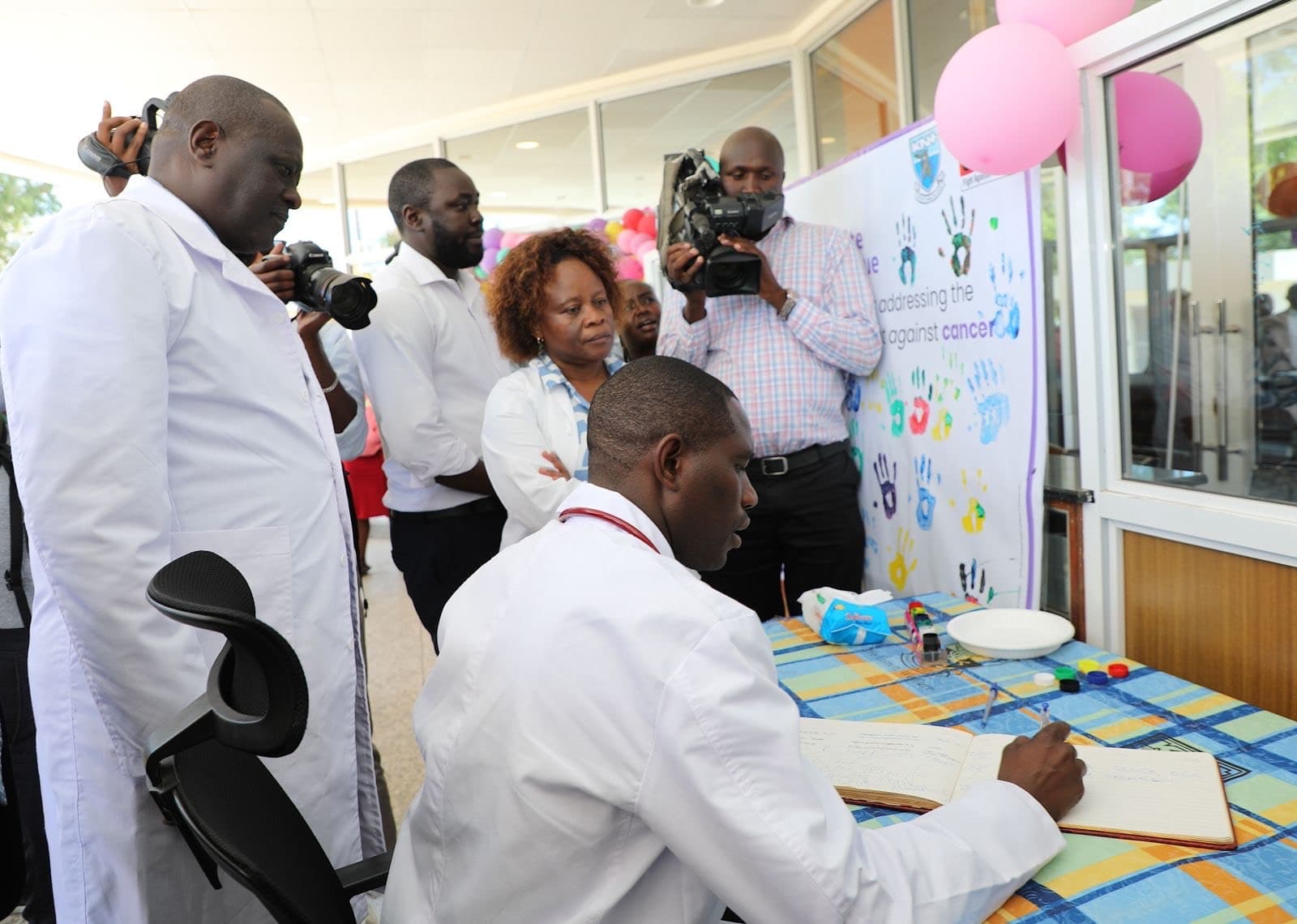
A high-stakes intervention at Kenyatta National Hospital has exposed critical gaps in the Social Health Authority systems, prompting an immediate government crackdown to save cancer patients from bureaucratic paralysis.
The corridors of the Kenyatta National Hospital Oncology Centre, usually a place of quiet desperation, became the epicenter of a frantic administrative audit this Friday afternoon. Medical Services Principal Secretary Ouma Oluga descended on the facility not for a ceremonial tour, but for a surgical strike on the systemic inefficiencies threatening to choke the life out of Kenya’s cancer care delivery.
This visit was not merely procedural; it was a response to a rising tide of public outcry regarding the Social Health Authority and its interface with critical care. As the government attempts to transition into a new era of universal health coverage, the friction between digital systems and human reality has reached a breaking point. The Principal Secretary’s mission was clear: dismantle the bottlenecks in the pre-authorization and invoicing workflows that have left patients stranded between diagnosis and treatment. For a cancer patient, time is not money—it is tissue, it is stage progression, it is life itself.
During the intense spot-check, the disconnect between policy and practice became glaringly evident. Patients shared harrowing accounts of waiting hours, sometimes days, for system approvals that should take minutes. The Principal Secretary engaged directly with the frontline—the exhausted nurses, the frustrated data clerks, and the weary families—to map out the exact points of failure. It is no longer enough to have a system that works in theory; it must work in the chaotic, high-volume environment of a national referral hospital.
The audit revealed several critical choke points that demand immediate engineering:
Speaking from the heart of the cancer ward, Dr. Oluga did not mince words. He acknowledged the "teething problems" but refused to accept them as a permanent state of affairs. His directive was absolute: administrative processes must never impede access to treatment. The government’s commitment to uninterrupted care is now under the microscope, and the Ministry of Health is under immense pressure to prove that the new health financing framework is an upgrade, not an obstacle.
The stakes are incredibly high. The KNH Oncology Centre is not just a building; it is the last line of defence for thousands of patients from across East Africa. If the system fails here, it fails the region. The Principal Secretary’s assurance that feedback from this visit will be instantly integrated into system upgrades offers a glimmer of hope, but for the patients sitting on those metal benches, the only proof of success will be a seamless path to the chemotherapy chair.
“We have listened, we have seen, and we are fixing it,” Oluga declared, signaling a shift from defensive public relations to active problem-solving. As the sun set over Nairobi, the message was clear: the era of blaming the system is over; the era of making it work has begun.
Keep the conversation in one place—threads here stay linked to the story and in the forums.
Sign in to start a discussion
Start a conversation about this story and keep it linked here.
Other hot threads
E-sports and Gaming Community in Kenya
Active 9 months ago
The Role of Technology in Modern Agriculture (AgriTech)
Active 9 months ago
Popular Recreational Activities Across Counties
Active 9 months ago
Investing in Youth Sports Development Programs
Active 9 months ago