We're loading the full news article for you. This includes the article content, images, author information, and related articles.
The AI giant, facing intense pressure from rivals like Google, admits its growth is now shackled by a severe shortage of computing power, a bottleneck with significant implications for Kenya's own tech ambitions.
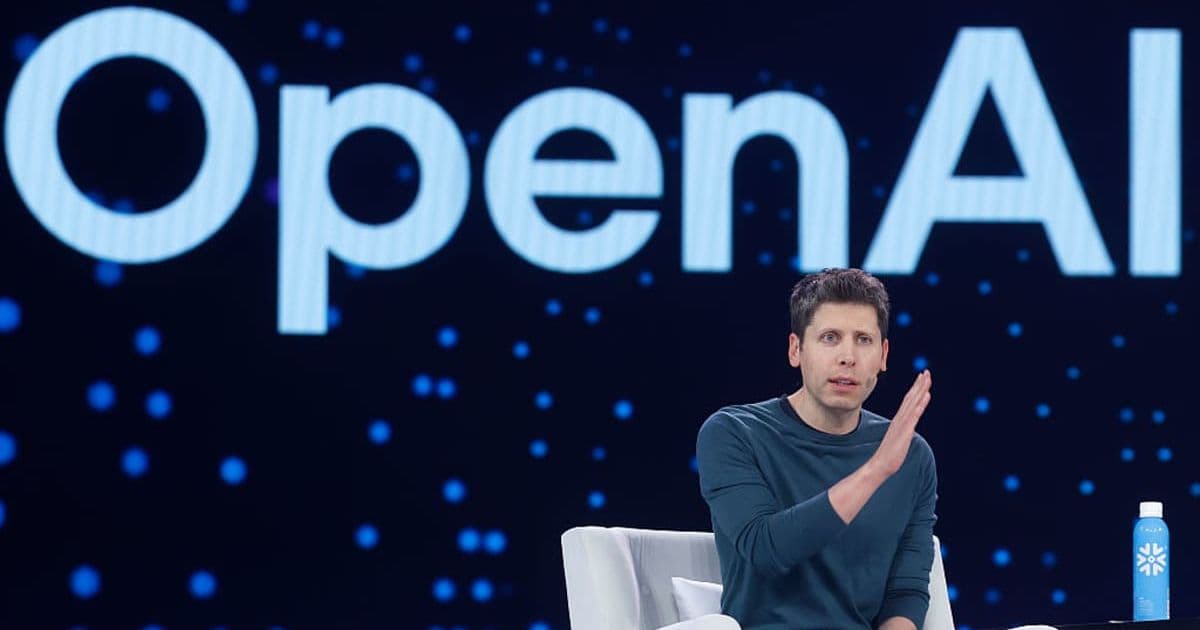
In a stark admission that has sent ripples through the global tech community, OpenAI, the creator of ChatGPT, has publicly conceded it is facing a critical shortage of computing power. This 'compute-constrained' reality, as described by company leadership, threatens to stall its innovation pipeline just as competitors, notably Google with its powerful Gemini 3 model, are surging ahead.
The confession lays bare the brutal economics of the artificial intelligence race: progress is no longer just about brilliant code, but about access to colossal and expensive data infrastructure. OpenAI President Greg Brockman described the internal decisions on allocating scarce computing resources as involving "pain and suffering," forcing the company to sacrifice future research to meet the present-day demand for its popular products.
The pressure on OpenAI intensified dramatically following the launch of Google's Gemini 3, a model that has reportedly outperformed OpenAI's offerings on key industry benchmarks. In response, CEO Sam Altman declared a "code red," redirecting all resources to improve ChatGPT's performance to fend off what he termed "temporary economic headwinds" from Google's offensive. This scramble highlights a new reality where dominance is measured in teraflops and gigawatts.
The financial and energy costs are staggering, running into billions of dollars for model training and operation. Altman has noted that the primary risk for OpenAI is not having too much computing power, but failing to have enough to meet demand, a situation he called a "life-or-death threat." The company's long-term plans reportedly involve securing energy capacity equivalent to a small nation, underscoring the massive environmental and resource implications of the AI boom.
For Kenya's burgeoning tech sector, this global power struggle is more than just foreign news; it's a cautionary tale. The immense cost of entry into foundational AI model development—requiring tens of thousands of specialized GPUs that can cost over KES 5.2 million ($40,000) each—puts it far beyond the reach of most local startups. This creates a critical dependency on the very giants now battling for supremacy.
This reality directly impacts the ambitions laid out in Kenya's National Artificial Intelligence Strategy (2025–2030), which aims to foster local innovation and data sovereignty. Key challenges for the nation include:
As one former OpenAI researcher warned, if a company like Google, with its 'full-stack' advantage of custom chips and global infrastructure, overtakes its rivals, it could dominate the market entirely. This consolidation of power could stifle the diverse, locally-focused AI ecosystem that Kenya's strategy envisions.
The path forward for Kenya involves navigating this complex global landscape, likely by focusing on niche applications and leveraging public-private partnerships to build a resilient, if not dominant, local AI industry. The race for compute is a stark reminder that in the world of AI, power—both computational and economic—remains highly concentrated.
Keep the conversation in one place—threads here stay linked to the story and in the forums.
Sign in to start a discussion
Start a conversation about this story and keep it linked here.
Other hot threads
E-sports and Gaming Community in Kenya
Active 9 months ago
The Role of Technology in Modern Agriculture (AgriTech)
Active 9 months ago
Popular Recreational Activities Across Counties
Active 9 months ago
Investing in Youth Sports Development Programs
Active 9 months ago