We're loading the full news article for you. This includes the article content, images, author information, and related articles.
Despite newer technology, Kenyan forex traders stick to the vintage MT4 platform, prizing its low data usage and reliability in a unique market environment.
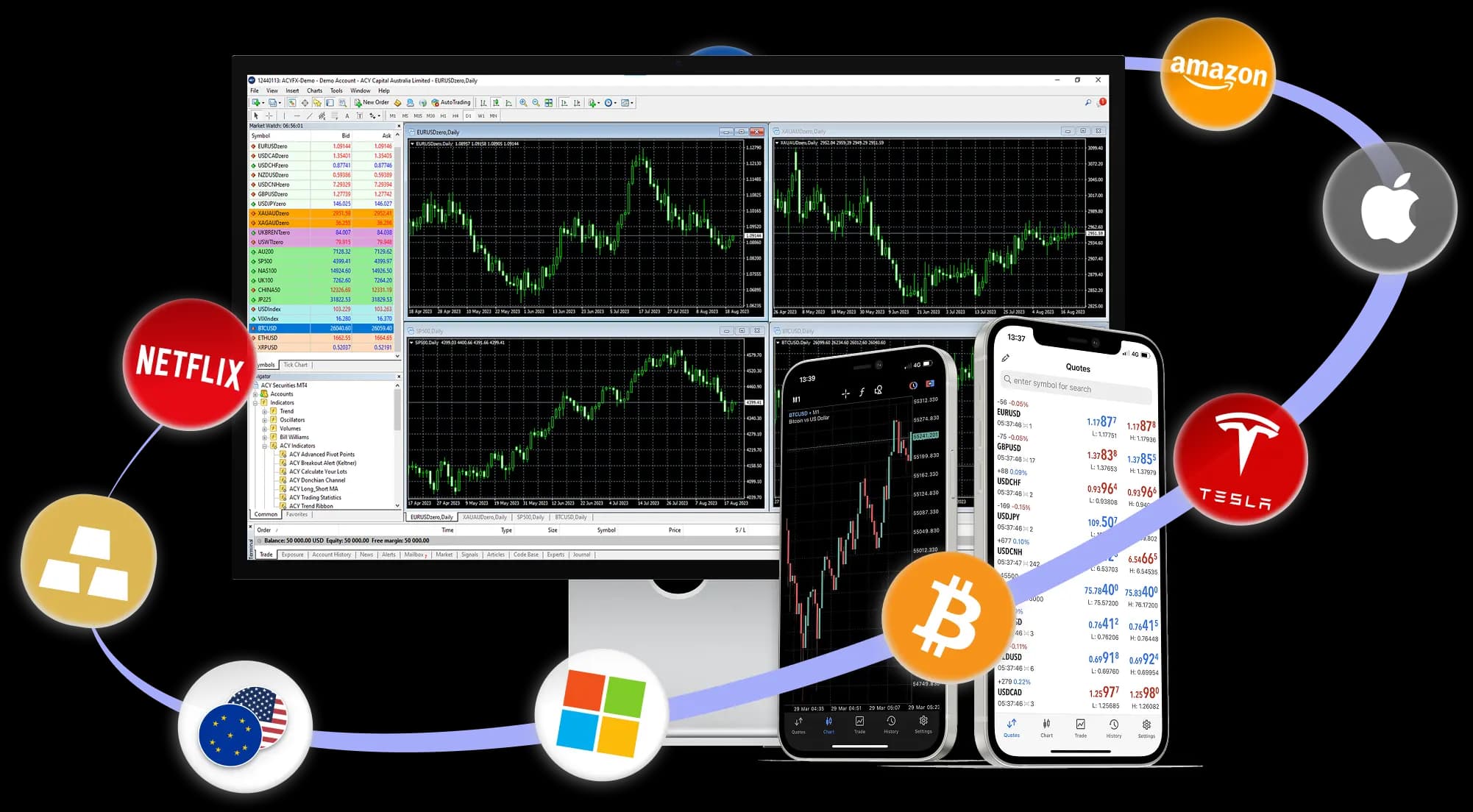
In the fast-paced world of fintech, where "new" is usually synonymous with "better," a curious anomaly persists in Nairobi’s trading circles: the unwavering dominance of MetaTrader 4 (MT4).
Despite the aggressive marketing of its successor, MT5, and a plethora of sleek, web-based apps, Kenyan retail traders remain stubbornly loyal to a platform released in 2005. This phenomenon is not merely nostalgia; it is a pragmatic choice driven by the unique infrastructure and trading culture of the region. For the thousands of youth trading forex on their phones in matatus or cyber cafes, MT4 is not just software—it is the industry standard.
The primary driver of MT4’s longevity is its lightweight architecture. In areas with fluctuating internet speeds, a platform that consumes minimal data and executes trades with low latency is king. "I dont need 3D charts or an economic calendar embedded in my screen," says Kevin Mwangi, a fictionalized representation of the typical Nairobi trader. "I need to enter a trade, set my stop-loss, and know it will execute instantly. MT4 does that."
Furthermore, the ecosystem of "Expert Advisors" (trading robots) built for MT4 is vast and deeply entrenched. Many Kenyan traders rely on custom indicators and automated scripts that are coded specifically for MQL4 (the language of MT4) and are not compatible with MT5. Migrating would mean rebuilding their entire trading edge from scratch.
While MT5 offers superior back-testing and access to other asset classes like stocks, the average Kenyan forex trader is focused on currency pairs and gold—assets that MT4 handles effortlessly. The "upgrade" offers features they do not need, at the cost of the familiarity they love.
The persistence of MT4 in Kenya is a lesson in product-market fit. It serves a specific user base that values utility over aesthetics. Until a new platform can offer the same reliability with lower data consumption and backward compatibility, the dinosaur of trading platforms will continue to rule the Silicon Savannah.
Keep the conversation in one place—threads here stay linked to the story and in the forums.
Sign in to start a discussion
Start a conversation about this story and keep it linked here.
Other hot threads
E-sports and Gaming Community in Kenya
Active 9 months ago
The Role of Technology in Modern Agriculture (AgriTech)
Active 9 months ago
Popular Recreational Activities Across Counties
Active 9 months ago
Investing in Youth Sports Development Programs
Active 9 months ago