We're loading the full news article for you. This includes the article content, images, author information, and related articles.
In a society deeply fractured by class and connection, the true test of integrity emerges only when those shielded by privilege decide to break their silence and confront systemic injustice.
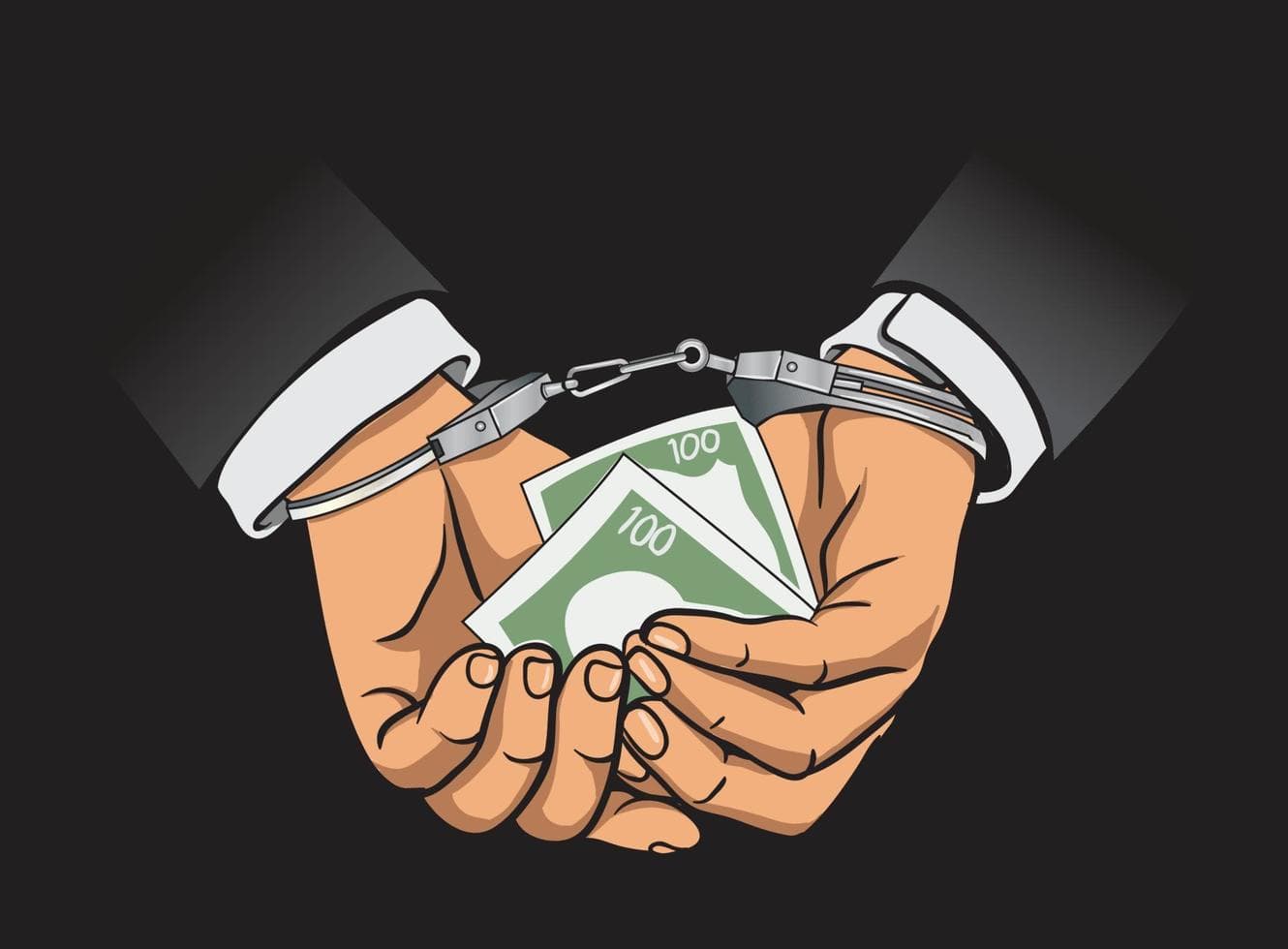
In a society deeply fractured by class and connection, the true test of integrity emerges only when those shielded by privilege decide to break their silence and confront systemic injustice.
The discourse surrounding privilege in Kenya is often uncomfortable, raw, and frequently brushed under the rug by those who benefit from it most.
A recent thought-provoking opinion piece by Okumu in The Star newspaper strikes at the very heart of Kenya’s socio-economic divide, challenging the political and corporate elite to weaponize their privilege for the greater good. In a nation where access to quality healthcare, elite education, and fundamental justice is routinely determined by one’s surname and bank balance, silence from the privileged class is tantamount to complicity. The concept of 'Wanjiku'—the quintessential, everyday Kenyan citizen—is often used as a convenient political prop, yet her daily struggles are rarely felt by the policymakers driving her fate in armored V8 convoys. Okumu’s thesis is profound yet simple: true societal transformation will only occur when the insulated upper classes view the plight of the marginalized not as a distant tragedy, but as a personal, urgent crisis requiring immediate, radical intervention.
Privilege in the East African context is rarely subtle; it is loud, structural, and deeply entrenched in the colonial legacy of resource distribution. It dictates who gets lucrative government tenders, who escapes the brutal consequences of the flawed justice system, and who secures prime real estate in the capital. This architecture creates an impenetrable bubble for the elite. When the cost of unga (maize flour) skyrockets, it barely registers on their monthly budgets; when public hospitals strike, they seamlessly pivot to private, world-class facilities. This severe disconnect fosters a dangerous apathy. Okumu argues that it is this very apathy that allows systemic corruption and administrative incompetence to thrive entirely unchecked. The challenge is demanding that those inside the bubble voluntarily pop it, risking their own comfort to advocate for the systemic restructuring of society.
Why do the privileged remain silent? Fear of losing status, alienation from powerful peers, and the comfortable numbness of wealth are powerful deterrents. Speaking up against the system often invites vicious retaliation from the political establishment. Yet, history has shown that significant social reform frequently requires class traitors—individuals willing to leverage their insider knowledge and power to dismantle oppressive structures. Okumu’s call to action is a demand for a new brand of patriotism, one that moves beyond performative philanthropy and tackles the root causes of poverty. It requires corporate leaders to demand transparent taxation, and political scions to advocate for meritocracy over rampant nepotism. It is a highly uncomfortable demand, but an absolutely necessary one if the nation is to heal its widening socio-economic fractures.
A central pillar of maintaining privilege is the aggressive promotion of the 'meritocracy myth'—the false belief that success is entirely the result of hard work, and conversely, poverty is a result of laziness. This dangerous narrative ignores the profound, generational advantages of inherited wealth, premium networking, and access to capital. For the average Kenyan youth, battling a hostile economic environment and staggering unemployment rates, hard work is rarely enough to break the cycle of poverty. Acknowledging privilege means aggressively dismantling this myth. It requires the successful to openly admit the structural advantages they enjoyed, thereby shifting the national conversation from blaming the poor to deeply interrogating the system that deliberately keeps them impoverished.
Okumu’s powerful commentary is a timely wake-up call for the nation's conscience. As Kenya navigates a complex economic crisis marked by heavy taxation and rising debt, the burden is falling disproportionately on the most vulnerable. It is no longer sufficient for the privileged to offer mere sympathy; the moment demands radical empathy translated into tangible political and economic action. "When the cries of the oppressed finally echo in the quiet, gated compounds of the elite, only then will true revolution begin," the sentiment echoes loudly. The true measure of a nation's greatness lies not in the wealth of its billionaires, but in the deliberate destruction of the barriers that prevent every citizen from achieving a life of dignity and purpose.
Keep the conversation in one place—threads here stay linked to the story and in the forums.
Sign in to start a discussion
Start a conversation about this story and keep it linked here.
Other hot threads
E-sports and Gaming Community in Kenya
Active 9 months ago
The Role of Technology in Modern Agriculture (AgriTech)
Active 9 months ago
Popular Recreational Activities Across Counties
Active 9 months ago
Investing in Youth Sports Development Programs
Active 9 months ago



