We're loading the full news article for you. This includes the article content, images, author information, and related articles.
Brent crude holds at $68 as markets await the outcome of critical US-Iran nuclear talks, with significant implications for global fuel prices.
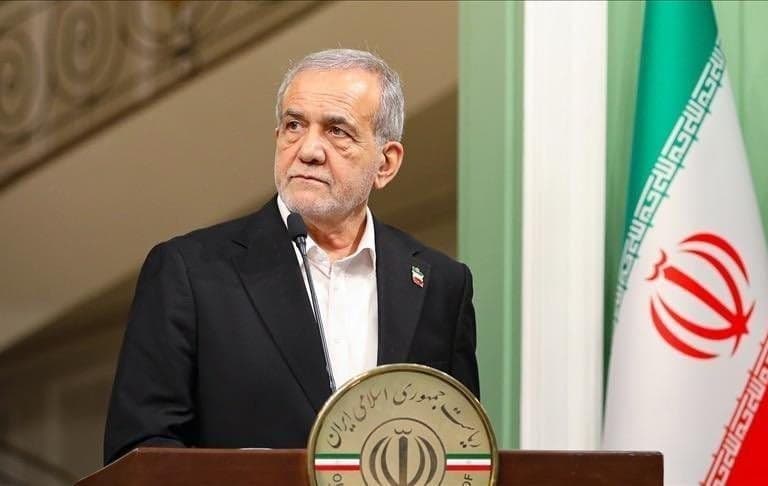
Global oil markets are holding their breath as Washington and Tehran prepare for high-stakes nuclear talks, with Brent crude hovering near $68 a barrel amidst geopolitical uncertainty.
The global energy markets have entered a period of anxious stasis. Oil prices traded sideways this Monday, with Brent crude futures edging down to $67.72 (approx. KES 8,800) per barrel. The calm belies the storm brewing on the diplomatic horizon: the resumption of nuclear negotiations between the United States and Iran in Geneva. For Kenyan consumers already grappling with high fuel costs, the outcome of these talks could dictate the price at the pump for months to come.
Traders are caught in a tug-of-war. On one side, the potential for a US-Iran deal could unlock millions of barrels of Iranian crude, flooding the market and depressing prices. On the other, the risk of talk collapsing—and the subsequent threat of military escalation—is keeping a "fear premium" baked into the price.
“This is likely the calm before the storm,” notes market analyst Tony Sycamore. The stakes could not be higher. The US has dispatched a second aircraft carrier to the region, a muscle-flexing move designed to strengthen its hand at the negotiating table. Tehran, meanwhile, is demanding economic relief, specifically the lifting of sanctions that have crippled its ability to sell oil and purchase aircraft.
For East Africa, the equation is simple: high oil prices erode foreign exchange reserves and drive inflation. A successful deal that lowers oil prices would be a boon for the Kenyan Shilling, reducing the import bill. However, if talks fail and tensions flare in the Strait of Hormuz—a critical chokepoint for global oil—prices could spike past $80, putting immense pressure on the local economy.
Adding to the complexity, OPEC+ is signaling a desire to resume output increases in April to meet summer demand. This suggests that the cartel believes the market can absorb more oil, but everything hinges on the diplomatic poker game in Geneva.
As traders watch the tickers, motorists in Nairobi should watch the news. The price of next month’s commute is being decided in a conference room in Switzerland.
Keep the conversation in one place—threads here stay linked to the story and in the forums.
Sign in to start a discussion
Start a conversation about this story and keep it linked here.
Other hot threads
E-sports and Gaming Community in Kenya
Active 9 months ago
The Role of Technology in Modern Agriculture (AgriTech)
Active 9 months ago
Popular Recreational Activities Across Counties
Active 9 months ago
Investing in Youth Sports Development Programs
Active 9 months ago