We're loading the full news article for you. This includes the article content, images, author information, and related articles.
Global oil prices have surged aggressively, with analysts warning of crude hitting $100 a barrel, as the escalating conflict involving the U.S., Israel, and Iran severely disrupts transit through the Strait of Hormuz.
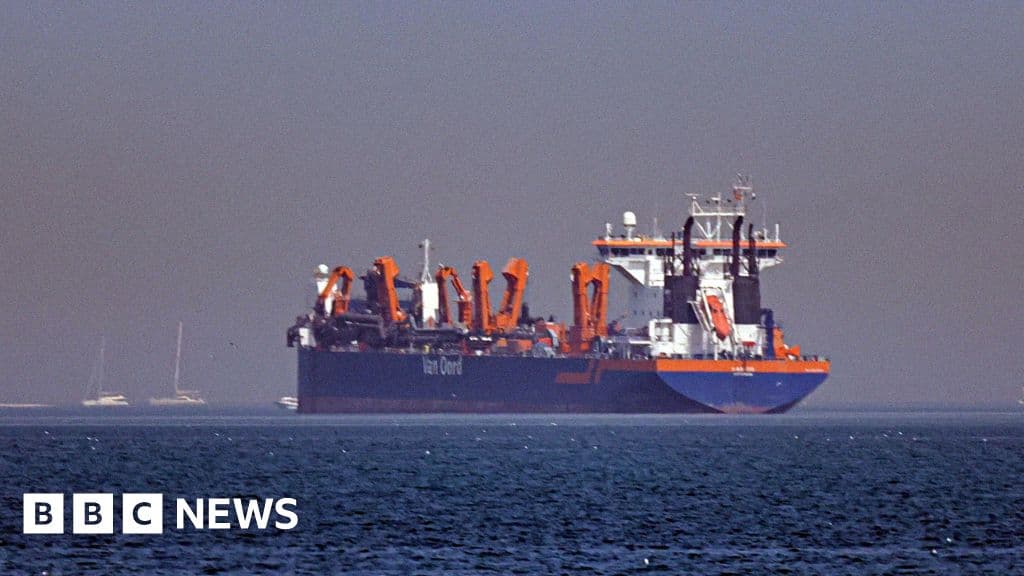
Global oil prices have surged aggressively, with analysts warning of crude hitting $100 a barrel, as the escalating conflict involving the U.S., Israel, and Iran severely disrupts transit through the Strait of Hormuz.
Brent crude, the international benchmark, spiked dramatically by over 10% to breach $82 a barrel early Monday. The catalyst is the effective halt of commercial tanker traffic through the Strait of Hormuz, a critical chokepoint handling 20% of the world's oil supply.
For Kenya and the broader East African region, this geopolitical crisis translates directly into severe economic turbulence. An impending spike in pump prices threatens to accelerate inflation, drive up the cost of basic commodities, and strain the already fragile purchasing power of the average citizen.
Following intense U.S. and Israeli airstrikes, Iran has issued stern warnings to vessels navigating the strait. Reports indicate at least three ships were attacked over the weekend, prompting international maritime insurers to withdraw coverage or drastically hike premiums for vessels entering the Gulf.
Energy consultancy firm Wood Mackenzie has projected a dire scenario: if tanker flows are not rapidly restored, crude prices will inevitably surpass the $100 mark. This level of volatility has not been seen since the immediate aftermath of the Russian invasion of Ukraine in 2022.
Kenya, a net importer of refined petroleum products, is highly vulnerable to global oil shocks. The Energy and Petroleum Regulatory Authority (EPRA) is likely to reflect these global price hikes in their upcoming monthly review. If crude stabilizes above $90, Kenyans could see fuel prices skyrocket past KES 220 per liter.
The macroeconomic impact will be immediate. Transportation costs govern the pricing of agricultural produce, manufacturing, and public transit in East Africa. A sustained fuel price hike will inevitably trigger a domino effect, leading to a higher cost of living and potentially forcing the Central Bank of Kenya to adjust interest rates to curb imported inflation.
While OPEC+ has planned a modest output increase of 206,000 barrels per day starting in April, market analysts deem this insufficient to calm the current panic if the primary transit route remains blocked.
"The market will be watching closely for signs that traffic through the Strait of Hormuz returns; until then, oil prices are heavily risked to the upside, threatening a global economic shockwave," warned a leading energy research analyst.
Keep the conversation in one place—threads here stay linked to the story and in the forums.
Sign in to start a discussion
Start a conversation about this story and keep it linked here.
Other hot threads
E-sports and Gaming Community in Kenya
Active 9 months ago
The Role of Technology in Modern Agriculture (AgriTech)
Active 9 months ago
Popular Recreational Activities Across Counties
Active 9 months ago
Investing in Youth Sports Development Programs
Active 9 months ago



