We're loading the full news article for you. This includes the article content, images, author information, and related articles.
Oil prices made more gains on Tuesday after an Iranian official said his country will "set fire to anyone who tries to pass through" the Strait of Hormuz.
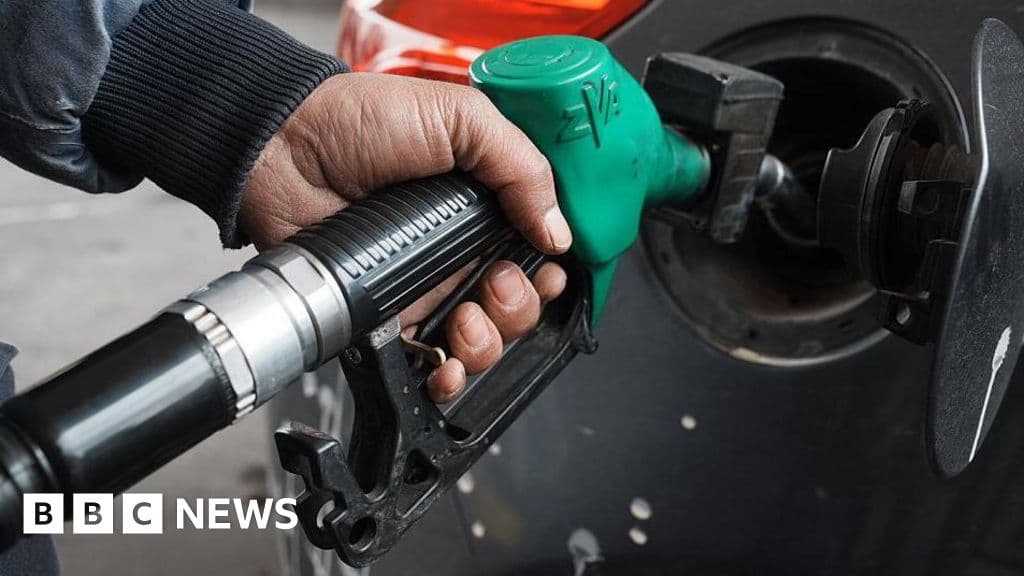
Global crude oil prices experienced further surges on Tuesday after an Iranian official threatened to "set fire" to vessels attempting to pass through the Strait of Hormuz, severely escalating the ongoing US-Israel conflict.
The geopolitical powder keg in the Middle East has once again detonated across global financial markets. The explicit threats directed at international shipping lanes have effectively weaponized the world’s energy supply, sending traders into a frenzy and pushing Brent crude significantly higher.
The Strait of Hormuz is the world's most critical oil transit chokepoint, facilitating the movement of roughly 20% of global oil and gas. Any sustained blockade or military hostility in this narrow waterway threatens to plunge the global economy into a severe recessionary shock.
Following the fiery rhetoric from Ebrahim Jabbari, an adviser to the Commander-in-Chief of Iran's Islamic Revolutionary Guard Corps (IRGC), Asian afternoon trading saw Brent crude rise by 3.2% to surpass $80 (approx. KES 10,400) a barrel. The immediate impact has been a complete halt of shipments by major maritime operators, who deem the risk of attack too high.
Consequently, the logistics of energy transport have become astronomically expensive. The cost of hiring a supertanker to move crude from the Middle East to Asia shattered records on Monday, reaching an unprecedented $400,000 (approx. KES 52 million)—double the rate from just a week prior. Analysts at Avellon Intelligence warn that if the disruption persists, crude could easily breach the $100 per barrel mark.
For nations like Kenya, which are net importers of refined petroleum products, this international standoff presents a grave economic threat. While the Kenyan government has assured the public of sufficient reserves until April 2026, prolonged elevated crude prices will inevitably drain foreign exchange reserves and weaken the Shilling.
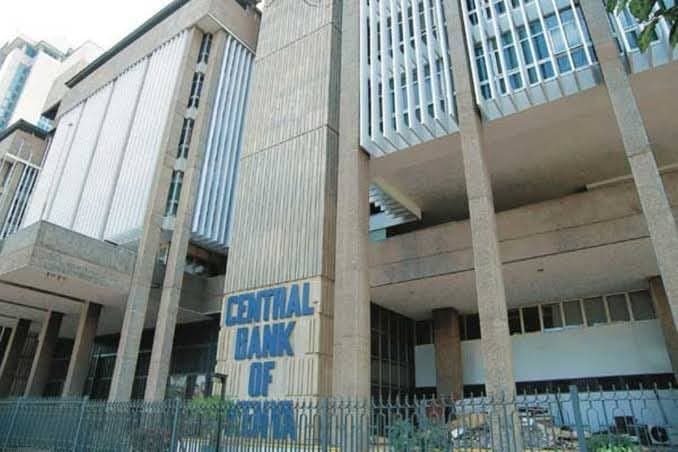
The cascading effects of high oil prices will quickly be felt in the cost of transport, electricity, and manufactured goods. The Central Bank of Kenya (CBK) will be closely monitoring the situation as inflationary pressures threaten to undo recent economic gains. "A fire in the Gulf means higher prices at the pump in Nairobi," a regional economist bluntly summarized. The world watches anxiously as diplomacy races against the clock.
Keep the conversation in one place—threads here stay linked to the story and in the forums.
Sign in to start a discussion
Start a conversation about this story and keep it linked here.
Other hot threads
E-sports and Gaming Community in Kenya
Active 9 months ago
The Role of Technology in Modern Agriculture (AgriTech)
Active 9 months ago
Popular Recreational Activities Across Counties
Active 9 months ago
Investing in Youth Sports Development Programs
Active 9 months ago