We're loading the full news article for you. This includes the article content, images, author information, and related articles.
Kenya’s opposition party faces a fracture as warring factions announce rival National Delegate Conventions, threatening the stability of the Azimio bloc.

Nairobi’s political corridors are vibrating with a tension unseen in years as the Orange Democratic Movement (ODM), long a dominant force in Kenyan opposition politics, faces an existential fracture. The announcement of parallel National Delegate Conventions (NDC) for March 27, 2026, marks the violent collision of two irreconcilable visions for the party’s future, signaling a crisis that threatens to strip the outfit of its legal standing and voter appeal.
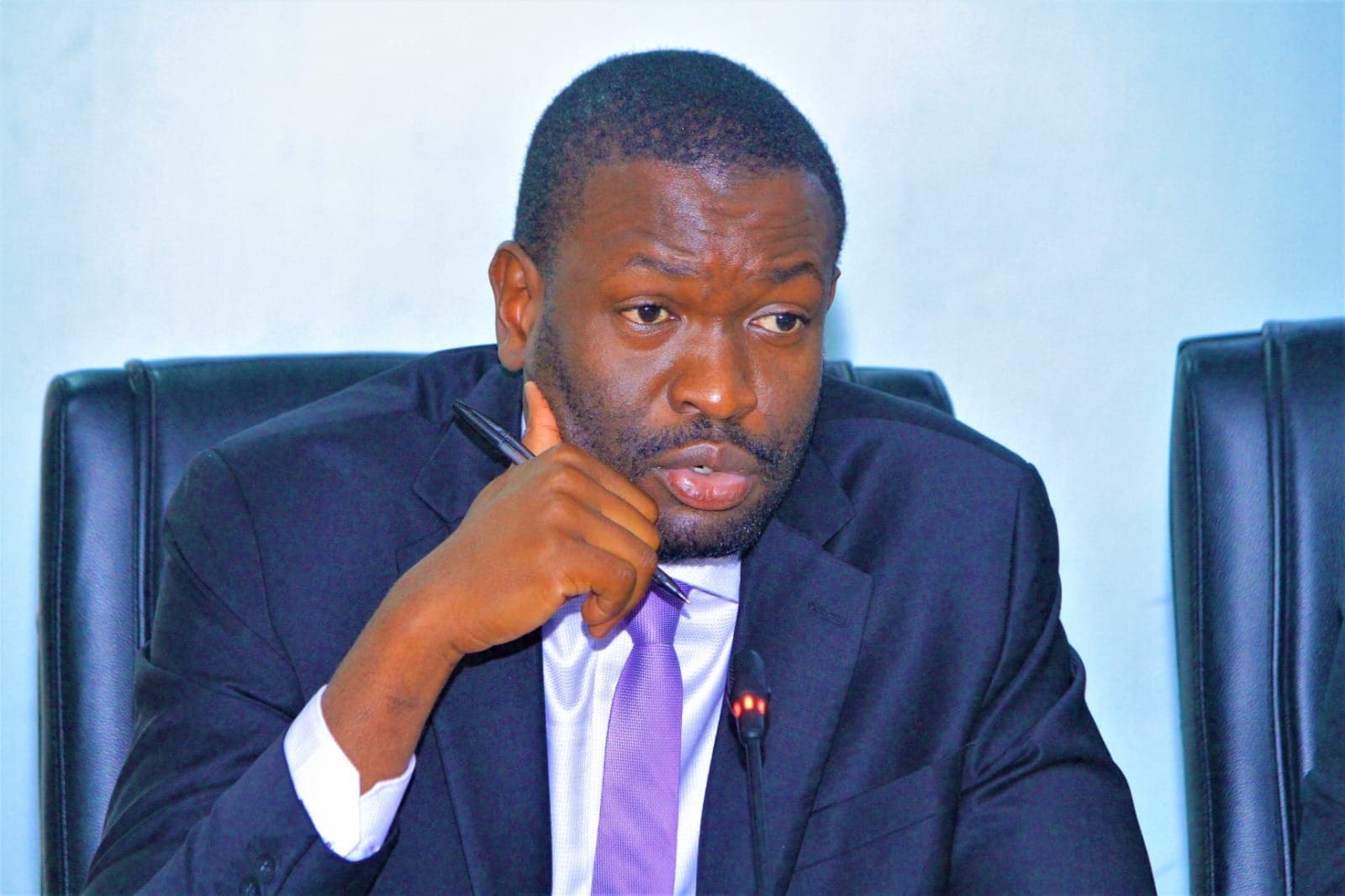
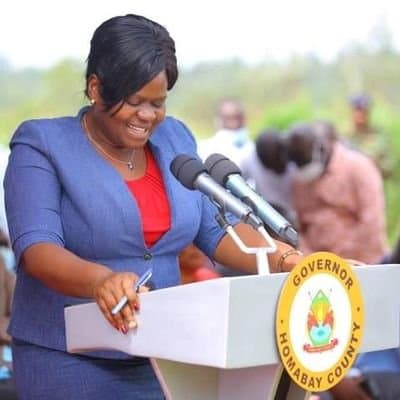
This is not merely an internal administrative squabble it represents a high-stakes power struggle that pits the faction loyal to Secretary General Edwin Sifuna against a camp coalescing around the party’s old guard, led by Oburu Oginga, Gladys Wanga, and Junet Mohammed. With the 2027 general election cycle looming, the schism endangers the party’s internal cohesion, financial viability, and its broader role within the faltering Azimio la Umoja coalition, potentially leaving thousands of supporters adrift in a landscape of political uncertainty.
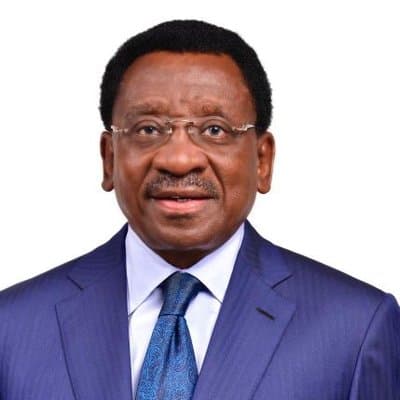
The rift has been widening for months, fueled by divergent views on the party’s trajectory and its relationship with the current administration. The Sifuna faction, which includes heavyweights like Siaya Governor James Orengo and Embakasi East MP Babu Owino, has championed the Linda Mwananchi movement. They argue that the party leadership has abandoned its foundational principles of social justice and democratic accountability by engaging in what they term covert cooperation with the ruling Kenya Kwanza administration.
Conversely, the faction led by Oburu Oginga, National Chairman Gladys Wanga, and Minority Leader Junet Mohammed maintains that the party must adopt a pragmatic approach to secure its survival and influence. They have moved to consolidate power through the National Executive Committee (NEC), attempting to purge dissenters and steer the party toward new pre-election alliances. The decision to call a special NDC—and the subsequent announcement of a parallel event by Sifuna’s camp—has effectively turned the party’s internal dispute into a public war of attrition.
The situation presents a massive challenge for the Office of the Registrar of Political Parties (ORPP). Under the Political Parties Act, 2011, political organizations are required to hold democratically sound internal processes that adhere to their own constitutions and the national framework of the Constitution of Kenya.
Legal analysts warn that the existence of two parallel conventions could trigger a regulatory nightmare. If both factions claim legitimacy, the Registrar faces the difficult task of determining which gathering, if any, conforms to the party’s constitution and the law. A contested NDC could lead to a protracted legal battle in the Political Parties Disputes Tribunal (PPDT). Previous precedents suggest that such disputes often result in the freezing of party bank accounts and the suspension of disbursements from the Political Parties Fund, which provides essential operational capital—often amounting to hundreds of millions of Kenya Shillings—that the party relies upon to manage its national network.
The crisis within ODM does not exist in a vacuum it acts as a catalyst for the broader collapse of the Azimio la Umoja coalition. Following the exit of several affiliate parties over the past year, ODM was the final, sturdy pillar holding the remaining alliance together. A fracture at the top of ODM implies a complete breakdown of the coalition’s strategic center.
If the party splits, the coalition risks losing its status as the official opposition in the National Assembly. This would fundamentally alter the dynamics of parliamentary oversight, weakening the opposition’s ability to challenge the government’s policy agenda, budget allocations, and legislative priorities. The ripple effects will be felt across the country, from the halls of Parliament in Nairobi to the grassroots in Kisumu, Mombasa, and beyond.
For the average party member, the situation is increasingly untenable. A loyalist in Kisumu, speaking on condition of anonymity, expressed the sentiment prevalent among the base: confusion and deep-seated concern. The focus on high-level power struggles has, in their view, eclipsed the party’s core mandate of grassroots mobilization and advocacy for social services.
The risk is not just political, but existential. As the party leadership distracts itself with legal maneuvering and factional positioning, the electorate is watching, weighing whether the ODM of tomorrow will be a credible vehicle for change or a shell of its former self. The ability of the party to field a unified slate of candidates for the 2027 elections now hangs in the balance, contingent on whether the leadership can negotiate a truce before the March 27 deadline.
As the days tick down to March 27, the question is no longer just about who controls the party, but whether there will be a unified party left to control. Kenya’s political landscape is notoriously volatile, and the ODM crisis serves as a stark reminder that even the most established organizations can crumble under the weight of internal division. The next fortnight will determine if the party can bridge its deepest divide or if it is destined to shatter into fragments, permanently altering the Kenyan political chessboard.
Keep the conversation in one place—threads here stay linked to the story and in the forums.
Sign in to start a discussion
Start a conversation about this story and keep it linked here.
Other hot threads
E-sports and Gaming Community in Kenya
Active 10 months ago
Popular Recreational Activities Across Counties
Active 10 months ago
The Role of Technology in Modern Agriculture (AgriTech)
Active 10 months ago
Investing in Youth Sports Development Programs
Active 10 months ago
Key figures and persons of interest featured in this article