We're loading the full news article for you. This includes the article content, images, author information, and related articles.
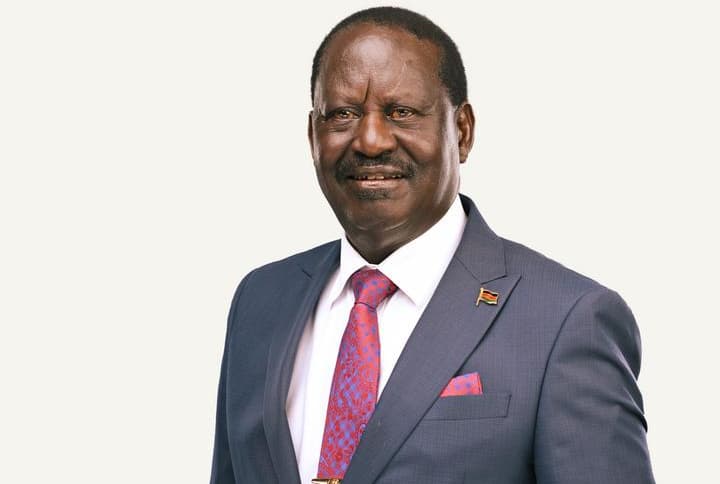
ODM cements a new era by formalizing Oburu Oginga as party leader, signaling a pivot toward regional strongmen like Abdulswamad Nassir and Simba Arati.

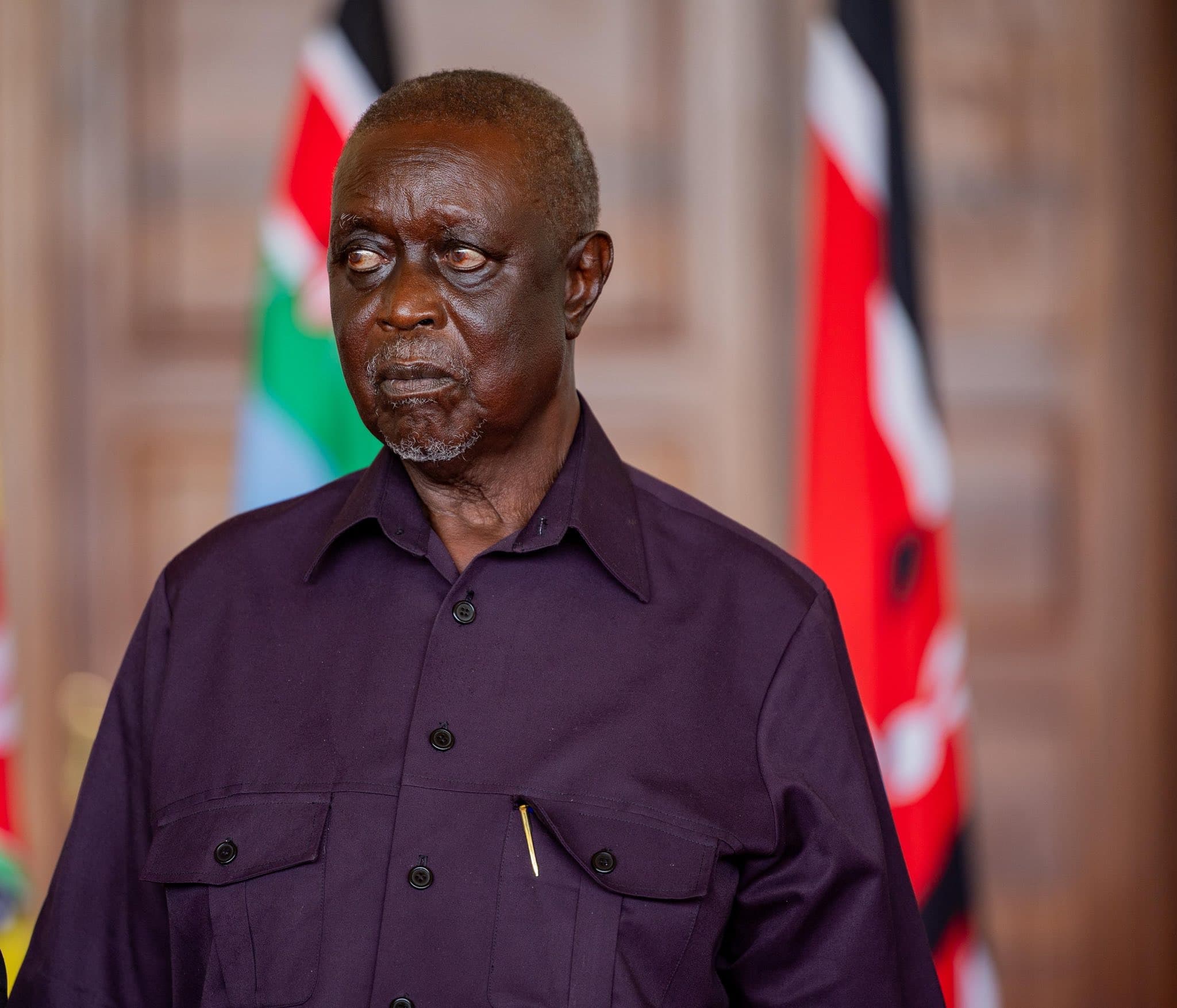
The political landscape of Kenya shifted in a dramatic, high-stakes maneuver today at Jamhuri Park in Nairobi, as the Orange Democratic Movement (ODM) officially solidified its post-Raila Odinga future. Amidst intense internal friction and under the watchful eye of a security apparatus deployed to manage the palpable tension, the party ratified the appointment of Siaya Senator Dr. Oburu Oginga as the substantive Party Leader. This decision marks the formal end of a protracted, albeit informal, transition period following the death of the party’s founding patriarch last year, and sets the stage for a new, regionalized era of opposition politics.
For a movement that has defined Kenya’s political narrative for two decades, this convention represents more than a simple change in leadership it is a fundamental restructuring of power. The appointment of Mombasa Governor Abdulswamad Nassir and Kisii Governor Simba Arati as Deputy Party Leaders serves as a strategic signal: the party is pivoting away from a centralized, personality-driven model toward a coalition of regional governors. With the 2027 General Election looming, this reshuffle is designed to consolidate the party’s grip on its traditional strongholds while attempting to stave off the persistent encroachment of rival political forces.
The elevation of Governors Nassir and Arati is a calculated move to decentralize influence within the party’s upper echelons. By placing active, frontline governors into the deputy roles, the ODM machinery aims to tether the party’s national strategy to the local realities of the Coast and Gusii regions—two areas that have historically been swing factors in national elections. Analysts suggest that this is a defensive mechanism against the growing influence of the United Democratic Alliance (UDA) and other emerging political entities that have been aggressively courting voters in these counties.
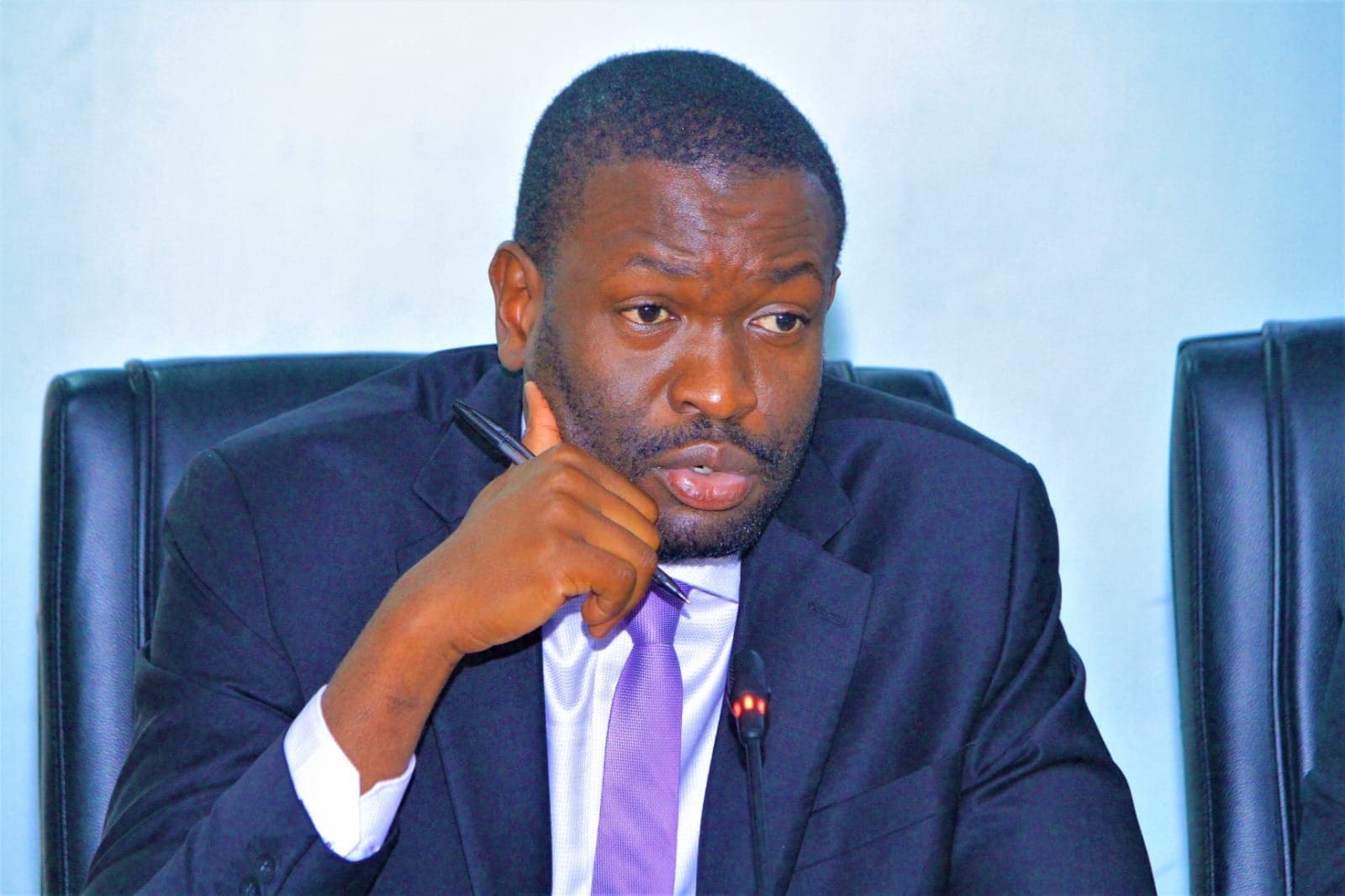
The atmosphere at Jamhuri Park was charged, reflecting the deep schism that has fractured the movement in recent months. The convention unfolded against the backdrop of an bitter internal struggle between two distinct factions: the "Linda Ground" initiative, which aligns with the current party leadership under Dr. Oginga, and the "Linda Mwananchi" faction, led by vocal figures including Nairobi Senator Edwin Sifuna. This internal discord has reached a boiling point, with parallel rallies and competing constitutional interpretations becoming the norm rather than the exception.
The "Linda Mwananchi" camp has vehemently opposed the recent executive actions taken by the National Executive Committee (NEC), arguing that the removal of senior officials like Sifuna from administrative roles was an unconstitutional power grab. Critics within this faction view today’s convention as a "rubber-stamp" event designed to marginalize dissenters and consolidate the power of a specific clique rather than reflecting the broader will of the party membership.
The significance of this leadership shift cannot be overstated. ODM currently stands at a crossroad where its relevance in the 2027 election cycle depends entirely on its ability to project a unified front. The current "broad-based" political arrangement with the ruling administration has left the party in an awkward position, straddling the line between a constructive partner and a genuine opposition force. This duality has confused the grassroots base and provided political opponents with significant ammunition to attack the party’s integrity.
Economists at the University of Nairobi note that the uncertainty surrounding ODM’s direction has had a localized dampening effect on political investment in its strongholds. Investors and business leaders in regions like Kisumu and Mombasa are reportedly waiting for clarity on the party’s 2027 manifesto before committing to long-term capital projects, fearing that a fractured opposition could lead to instability or, conversely, a complete realignment of local government priorities.
Whether this new leadership team can reconcile these factions remains the defining question of the year. If the party continues to splinter, the regional governors elevated today will be forced to operate as independent operators, effectively weakening the ODM brand at the national level. If, however, they can use their newfound authority to broker a truce, the party may yet reclaim its position as the premier opposition vehicle in the country.
As the delegates dispersed from Jamhuri Park, the immediate task for Dr. Oginga and his deputies is not just policy formulation, but the essential, difficult work of political reconciliation. The party constitution, which was invoked repeatedly throughout the day to justify these appointments, will likely face further tests in the courts and on the streets. For now, the Orange Democratic Movement has a new captain and a new map, but whether the crew is willing to stay on board remains a question that only the ballots of 2027 will truly answer.
Keep the conversation in one place—threads here stay linked to the story and in the forums.
Sign in to start a discussion
Start a conversation about this story and keep it linked here.
Other hot threads
E-sports and Gaming Community in Kenya
Active 10 months ago
The Role of Technology in Modern Agriculture (AgriTech)
Active 10 months ago
Popular Recreational Activities Across Counties
Active 10 months ago
Investing in Youth Sports Development Programs
Active 10 months ago
Key figures and persons of interest featured in this article