We're loading the full news article for you. This includes the article content, images, author information, and related articles.
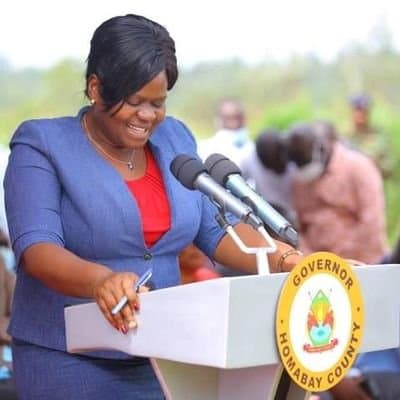
Homa Bay Governor Gladys Wanga’s endorsement of Hassan Joho for Deputy President ignites a high-stakes debate over the future of Kenya’s broad-based government.

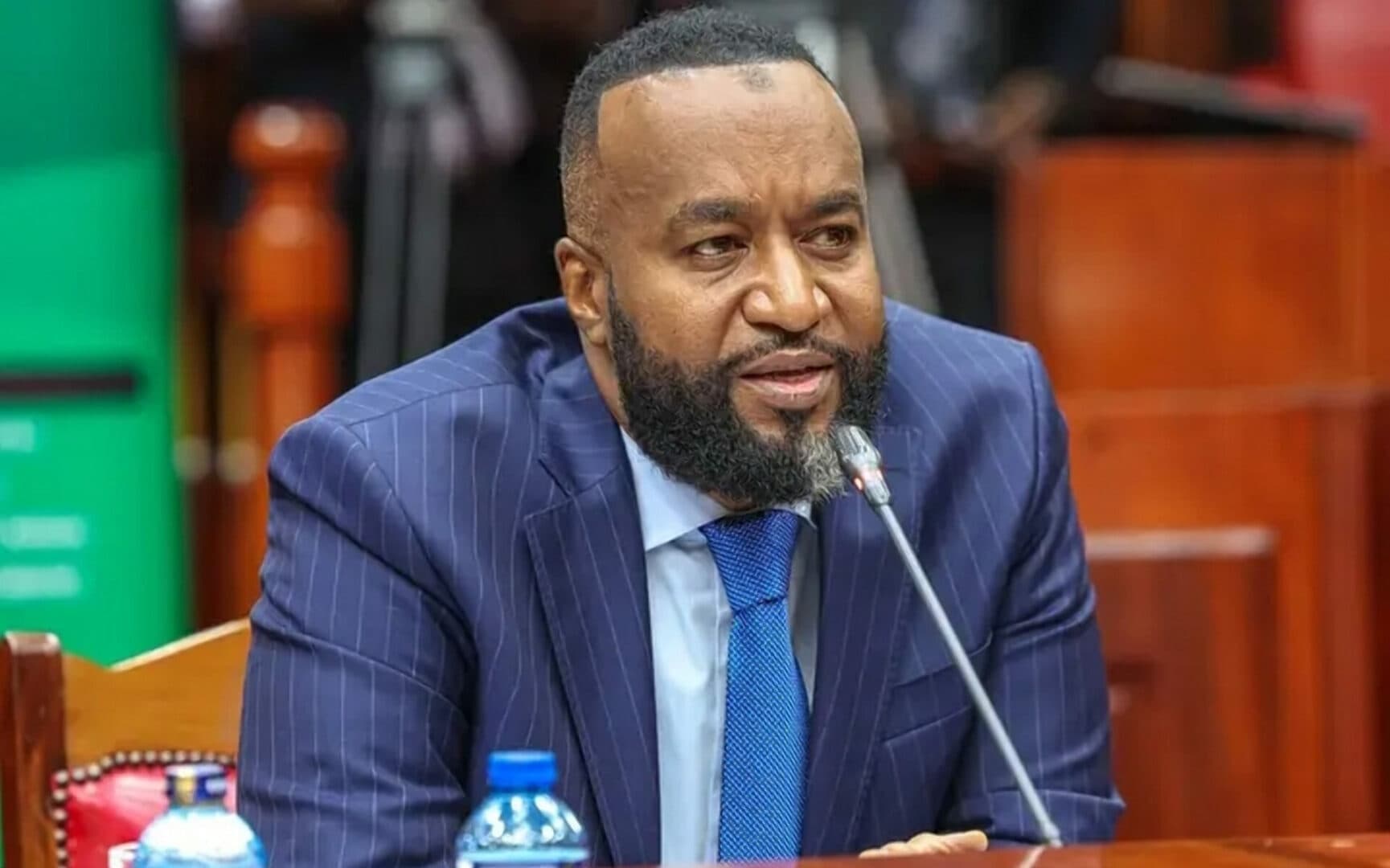
The morning airwaves on Radio Maisha turned into a political battleground on Thursday, as Homa Bay Governor Gladys Wanga laid bare the rising ambitions of the Orange Democratic Movement (ODM). By declaring Mining, Blue Economy, and Maritime Affairs Cabinet Secretary Hassan Joho a fit candidate to replace current Deputy President Kithure Kindiki, Wanga has signaled a definitive, high-stakes pivot in the coalition's internal dynamics.
This public endorsement, coming from one of the party’s most influential leaders and the Chairperson of the Homa Bay ODM branch, brings into sharp focus the precarious stability of the broad-based government as the clock ticks toward the 2027 General Election. The statement is not merely a rhetorical flourish it is a calculated assertion of power by a party that insists its participation in the current administration mandates a larger share of executive control.
For weeks, whispers of discontent and ambition have bubbled beneath the surface of Kenya's political alliance. The ODM party, long accustomed to being the primary opposition, has found itself navigating the complex realities of a government that relies on their support to maintain policy momentum. However, senior party figures, including Siaya Senator Oburu Oginga, have frequently stated that their inclusion in the government is not a charity, but a strategic partnership that demands tangible influence.
Wanga’s comments on Thursday emphasize that this partnership is reaching a critical inflection point. By openly discussing the succession or replacement of the Deputy President, the ODM leadership is effectively testing the boundaries of the United Democratic Alliance (UDA) leadership. The political message is clear: if the broad-based arrangement is to survive and thrive into the next electoral cycle, ODM believes it is entitled to the second-highest office in the land.
Key Drivers of the Current Political Realignment:
Hassan Joho, the former Governor of Mombasa, brings a distinct profile to this conversation. His tenure as a coastal political kingpin makes him a potent choice for a ticket looking to balance regional representation. Supporters argue that Joho brings the energy and the mobilization capacity necessary to challenge the status quo, effectively bridging the gap between Nyanza’s political base and the critical coastal voting bloc.
Political analysts at the University of Nairobi suggest that this alignment is not accidental. By backing a coastal heavy hitter, ODM is attempting to solve one of its perennial challenges: diversifying its national appeal while retaining its core base. If successful, this pairing could create a formidable coalition that shifts the entire electoral map, forcing the UDA to re-evaluate its current regional support strategies and the security of its deputy position.
However, the move has already met with significant pushback from within the United Democratic Alliance. Many UDA insiders view the demand for the Deputy President position as an overreach, arguing that the broad-based government was established to support the current administration, not to facilitate a hostile takeover from within. The tension highlights the fundamental divide between the two parties.
For the UDA, preserving the position of Kithure Kindiki is about maintaining the integrity of their current leadership structure. Any public discussion of replacing the Deputy President is seen not as a policy debate, but as an existential threat to the party’s hierarchy. The looming question remains whether President William Ruto can maintain harmony between these factions or if the internal pressure will force a fracture that complicates the 2027 campaign landscape.
Kenya’s political history is replete with failed coalitions and abandoned agreements. The current situation echoes earlier eras where power-sharing arrangements were tested by the competing ambitions of coalition partners. The fundamental friction is that while both ODM and UDA are currently sharing the burden of governance, their long-term objectives are fundamentally misaligned. ODM is looking for a path to executive power, while UDA is looking to solidify its legacy.
As these negotiations escalate, the public is left to watch a high-stakes game of chess. The coming months will likely see an intensification of rhetoric, with party leaders testing the limits of their current alliance. Whether Wanga’s endorsement of Joho acts as a catalyst for a new political era or serves as a harbinger of the collapse of the current broad-based arrangement remains the central question of the 2027 election cycle.
Ultimately, the stability of the nation rests on how these leaders reconcile their hunger for influence with the necessity of governance. The coming weeks will undoubtedly see further maneuvers as the political class begins to position itself for the next major contest, proving once again that in Kenyan politics, the only constant is the relentless pursuit of the next electoral advantage.
Keep the conversation in one place—threads here stay linked to the story and in the forums.
Sign in to start a discussion
Start a conversation about this story and keep it linked here.
Other hot threads
E-sports and Gaming Community in Kenya
Active 10 months ago
The Role of Technology in Modern Agriculture (AgriTech)
Active 10 months ago
Popular Recreational Activities Across Counties
Active 10 months ago
Investing in Youth Sports Development Programs
Active 10 months ago
Key figures and persons of interest featured in this article