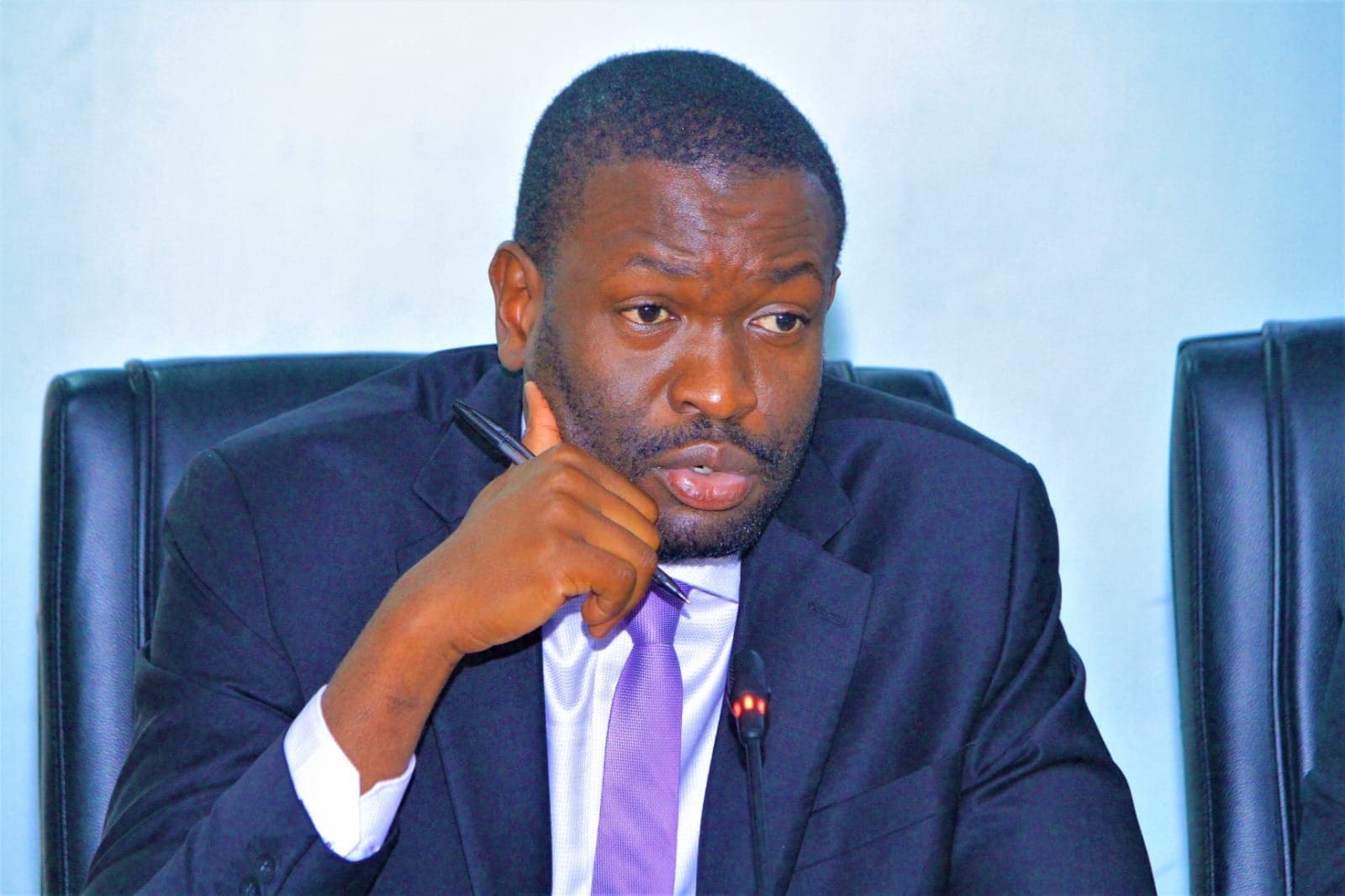
We're loading the full news article for you. This includes the article content, images, author information, and related articles.
The Orange Democratic Movement faces a critical internal test as delegates gather to decide the future of Secretary General Edwin Sifuna.

The atmosphere at the Orange Democratic Movement (ODM) headquarters in Nairobi is thick with calculated tension as party delegates convene today to determine the fate of Secretary General Edwin Sifuna. What began as internal murmurs regarding procedural compliance has erupted into a high-stakes political showdown that threatens to alter the trajectory of one of Kenya’s most influential political machines.
For the ODM, this is more than an internal administrative shuffle it is a critical test of party cohesion and institutional discipline as the coalition gears up for the next electoral cycle. The immediate challenge concerns the Secretary General’s alleged consistent absence from National Executive Committee (NEC) meetings—a charge that proponents of the removal argue constitutes dereliction of duty, while Sifuna’s supporters characterize it as a orchestrated attempt to sideline a vocal, independent-minded leader.
The controversy centers on the interpretation of party standing orders and the mandatory requirements for NEC members. While the party’s constitution mandates active participation, the application of these rules often fluctuates based on political expediency. According to documents circulating within the party hierarchy, the formal complaint cites a string of missed sessions throughout the last quarter. This absenteeism, critics claim, has paralyzed critical policy formulation and left administrative vacuums during a period when the party should be consolidating its grassroots support.
However, the narrative is not monolithic. Independent observers note that political parties in Kenya rarely initiate such public disciplinary actions based solely on administrative attendance. The move against Sifuna, a prominent Nairobi Senator and a key voice in the party’s national narrative, is widely viewed by political analysts as a symptom of deeper ideological friction. The following key factors are shaping the current internal discourse:
Edwin Sifuna has successfully cultivated a persona that balances militant defense of the party with the pragmatism required of a Nairobi Senator. His ability to mobilize urban youth, particularly within the capital, has been a significant driver of ODM’s reach in the city. Removing him from the Secretary General post presents a distinct tactical risk: the potential alienation of the urban base that has been the party’s bedrock in the last three election cycles.
Political strategists at the University of Nairobi suggest that the party leadership is walking a narrow tightrope. Alienating a figure with such high public visibility could trigger a splinter movement or dampen voter enthusiasm in the metropolitan region. The challenge for the ODM leadership, therefore, is to frame this transition not as a purge, but as a necessary administrative evolution—a task that will prove difficult given the public nature of the ongoing fallout.
Kenyan political parties have historically struggled with balancing the need for centralized control against the rise of powerful, independent-minded regional leaders. The ODM’s current struggle mirrors historical episodes in other national outfits, where the tension between party patriarchs and the rising generation of political operatives frequently results in public fracturing.
Historically, the Secretary General role in the ODM has been a crucible for high-profile political careers. It is a position of immense power, responsible for party records, nominations, and the execution of the party manifesto. When this office becomes contested, the ripple effects are felt across the entire political landscape, influencing how national coalitions are formed and maintained. The current crisis suggests that the party is attempting to centralize power ahead of a volatile 2027 political climate, ensuring that every key leadership position is held by individuals whose loyalty to the current leadership strategy is absolute.
As the delegates cast their votes, the implications extend far beyond the party’s boardroom. The decision will signal whether the ODM is moving toward a more monolithic, top-down structure or if it intends to accommodate dissent. For the millions of Kenyans who support the party, this is a moment of reckoning. If the party fails to manage this transition gracefully, it risks losing the very momentum that has kept it competitive against rival coalitions.
Ultimately, the delegates at this meeting carry the weight of the party’s future. Whether they choose to retain Sifuna or opt for a transition in leadership, the ODM will emerge from this meeting fundamentally changed. The question remains: can the party afford a high-profile internal casualty so close to the next national election, or is this the strategic recalibration required to survive the coming political storm?
Keep the conversation in one place—threads here stay linked to the story and in the forums.
Sign in to start a discussion
Start a conversation about this story and keep it linked here.
Other hot threads
E-sports and Gaming Community in Kenya
Active 10 months ago
Popular Recreational Activities Across Counties
Active 10 months ago
The Role of Technology in Modern Agriculture (AgriTech)
Active 10 months ago
Investing in Youth Sports Development Programs
Active 10 months ago
Key figures and persons of interest featured in this article