We're loading the full news article for you. This includes the article content, images, author information, and related articles.
Parallel meetings within the Orange Democratic Movement could mark a turning point in the party’s future amid a deepening internal crisis.

Nairobi is holding its breath today as the Orange Democratic Movement, once the bedrock of Kenyan opposition politics, faces its most significant existential threat in two decades. The party is effectively splintered into two irreconcilable camps, with rival factions scheduled to hold parallel National Delegate Conventions this morning, a move that observers warn could irreparably damage the party’s cohesion ahead of the 2027 General Election.
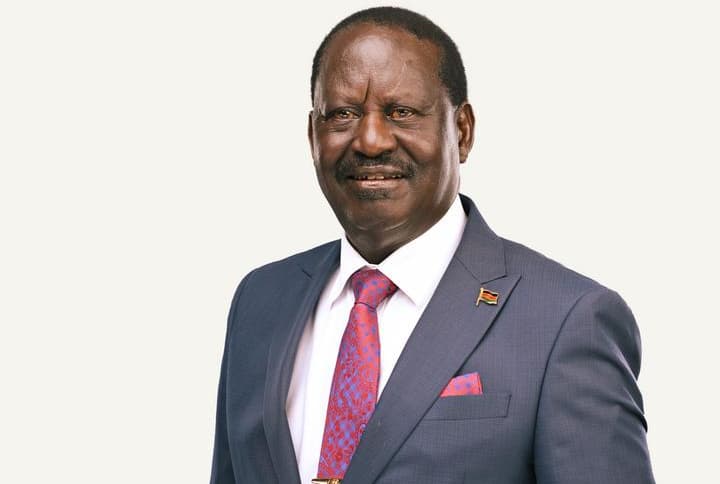
This internal rupture represents more than just a clash of personalities it is a battle for the soul of an organization that has defined Kenya’s political trajectory since its inception. For the millions of Kenyans who have historically looked to the ODM as a vanguard for democratic reform, today’s events are a sobering signal of an organization struggling to navigate the transition into a post-Raila Odinga era, where the centralizing gravity of a single, unifying leader has been replaced by the centrifugal forces of regional factionalism and unchecked ambition.
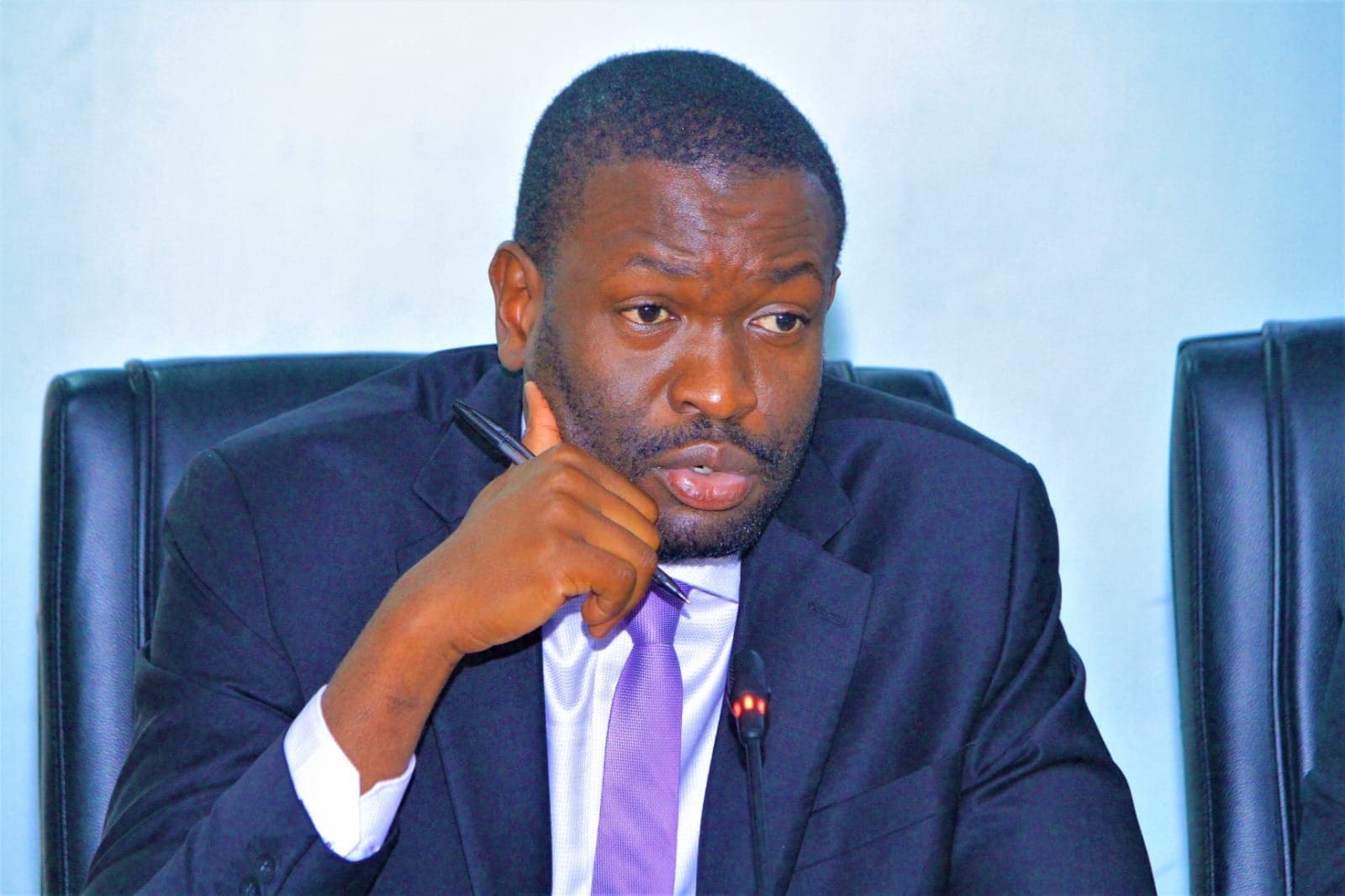
The party is currently cleaved between two distinct entities: the 'Linda Ground' faction, which claims the mantle of the party establishment and is aligned with party leadership figures such as Oburu Oginga, and the 'Linda Mwananchi' faction, which has coalesced around the embattled Secretary General, Edwin Sifuna. The animosity between these groups has been building for months, characterized by a series of failed negotiations, administrative disputes, and increasingly aggressive public rhetoric.
The current crisis traces its roots to a controversial National Executive Committee resolution on February 11, 2026, which attempted to remove Sifuna from his position as Secretary General. Sifuna’s allies argue that the process was an unconstitutional power grab designed to insulate the party leadership from dissent. Conversely, the faction supporting the leadership change contends that Sifuna’s repeated absences from NEC meetings constituted a dereliction of duty, necessitating his removal to ensure the party’s administrative functionality.
Yesterday, in a last-ditch effort to stave off today’s anticipated chaos, the Political Parties Disputes Tribunal issued a ruling directing Edwin Sifuna and the ODM leadership to resolve their dispute through the party’s Internal Dispute Resolution Mechanism. The tribunal explicitly stated that the removal of the Secretary General should not be filed with the Registrar of Political Parties until these internal avenues have been exhausted in good faith.
However, the defiant nature of today’s events suggests that the judicial intervention has arrived too late. Legal analysts argue that by ignoring the tribunal’s guidance to prioritize internal reconciliation, both factions are effectively inviting further regulatory scrutiny that could jeopardize the party’s legal standing. Should the Office of the Registrar of Political Parties deem either convention illegitimate, the ODM risks being unable to field a unified slate of candidates in the 2027 cycle, a catastrophic scenario for a party that currently holds a significant portion of parliamentary seats.
The implications of this schism extend far beyond the party headquarters in Nairobi. The ODM’s influence has been a pillar of the Azimio coalition, and its instability threatens to weaken the entire opposition bloc. With the government’s broad-based coalition actively looking to capitalize on opposition disarray, the ODM’s inability to manage its internal affairs provides a strategic opening for the ruling United Democratic Alliance to solidify its position.
Grassroots supporters across key strongholds—including Nyanza, the Coast, and parts of Western Kenya—have expressed profound frustration with the unfolding events. For a farmer in Kisumu or a shopkeeper in Mombasa, the intricacies of the party’s administrative bylaws are secondary to the promise of effective political representation. Many fear that the current infighting is a betrayal of the party’s founding principles, substituting the struggle for national development with a petty, inward-looking pursuit of power.
As the delegates gather today, the question remains whether any platform for reconciliation exists. The rigidity of both factions—the Linda Ground group viewing the Linda Mwananchi wing as a dangerous insurgent force, and the latter viewing the former as a captured leadership—has left little room for compromise. The party’s survival may now depend on the intervention of elder statesmen and neutral arbiters within the broader coalition who recognize that a divided ODM is an electoral liability.
Ultimately, today serves as a grim reflection of the fragility of party democracy in Kenya. When organizations are built around specific figures rather than institutional ideology, the passing of those figures or the vacuum they leave behind often invites the very chaos currently unfolding. The ODM stands at a precipice whether it emerges as a unified force or a fragmented collection of regional blocs will be determined not by the outcome of today’s meetings, but by the willingness of its leaders to place the party’s survival above their individual political futures.
Keep the conversation in one place—threads here stay linked to the story and in the forums.
Sign in to start a discussion
Start a conversation about this story and keep it linked here.
Other hot threads
E-sports and Gaming Community in Kenya
Active 10 months ago
The Role of Technology in Modern Agriculture (AgriTech)
Active 10 months ago
Popular Recreational Activities Across Counties
Active 10 months ago
Investing in Youth Sports Development Programs
Active 10 months ago
Key figures and persons of interest featured in this article