We're loading the full news article for you. This includes the article content, images, author information, and related articles.
The Orange Democratic Movement (ODM) faces a pivotal test this week as it attempts to solidify its leadership and stave off internal divisions.

The Orange Democratic Movement (ODM) stands at a defining precipice this week. As delegates converge on Nairobi for Friday’s National Delegates Convention, the party—once defined entirely by the larger-than-life persona of its founder, the late Raila Odinga—must now navigate the treacherous waters of succession.
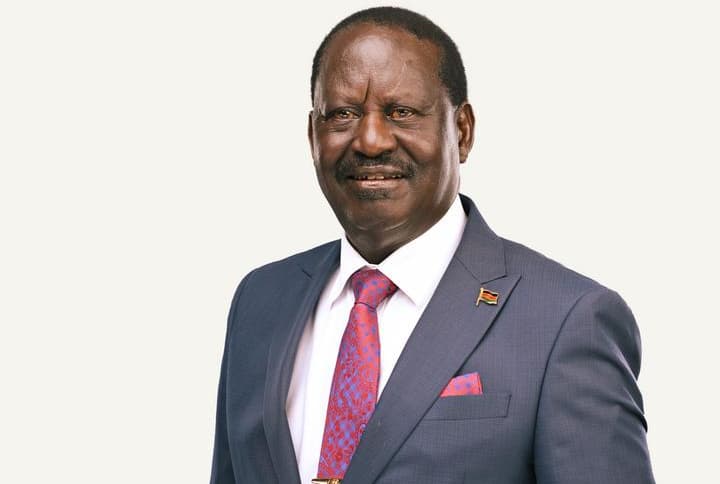
For a party that has acted as the primary vehicle for Kenyan opposition politics for two decades, the transition of leadership to Oburu Oginga represents far more than a routine administrative shuffle. It is a fundamental stress test of the party’s cohesion, ideological durability, and its ability to maintain its grip on its traditional support bases without the singular, unifying force of the man who held it together through electoral triumphs and bitter defeats.
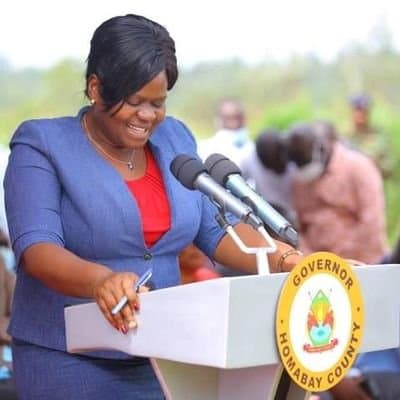
Homa Bay Governor and ODM Chairperson Gladys Wanga has spent the better part of the last month working to project an image of absolute unity. In recent statements, she has dismissed claims of a looming fracture within the party, characterizing dissent from some quarters as minor noise rather than a systemic split. Yet, the reality on the ground suggests a more complicated narrative. The party is currently grappling with the emergence of competing factions, notably the "Linda Mwananchi" and "Linda Ground" camps, which have signaled their intention to hold parallel activities, raising alarms about the potential for internal paralysis.
At the heart of this friction is the fear that without Raila Odinga’s gravitational pull, the ODM risks drifting into fragmented regional interests. Historically, the ODM has survived internal turbulence by deferring to Raila’s ultimate authority. That mechanism is now gone. The ratification of Oburu Oginga, while intended to signal continuity, carries inherent risks. Analysts note that leadership transitions in personality-driven parties across the continent often precipitate long-term decline if they fail to democratize party structures or broaden the base of power.
The party’s challenge is compounded by the looming shadow of the 2027 General Election. ODM faces a strategic dilemma: it must remain relevant to a changing demographic of younger voters—the so-called "Gen Z" block—while maintaining the loyalty of its traditional, older base. The party’s recent attempts to rebrand away from being labeled a "soft" opposition suggest a recognition that its current political strategy is not yielding the desired electoral momentum. The party’s leadership is now under intense pressure to prove that the ODM brand remains a viable threat to the current administration.
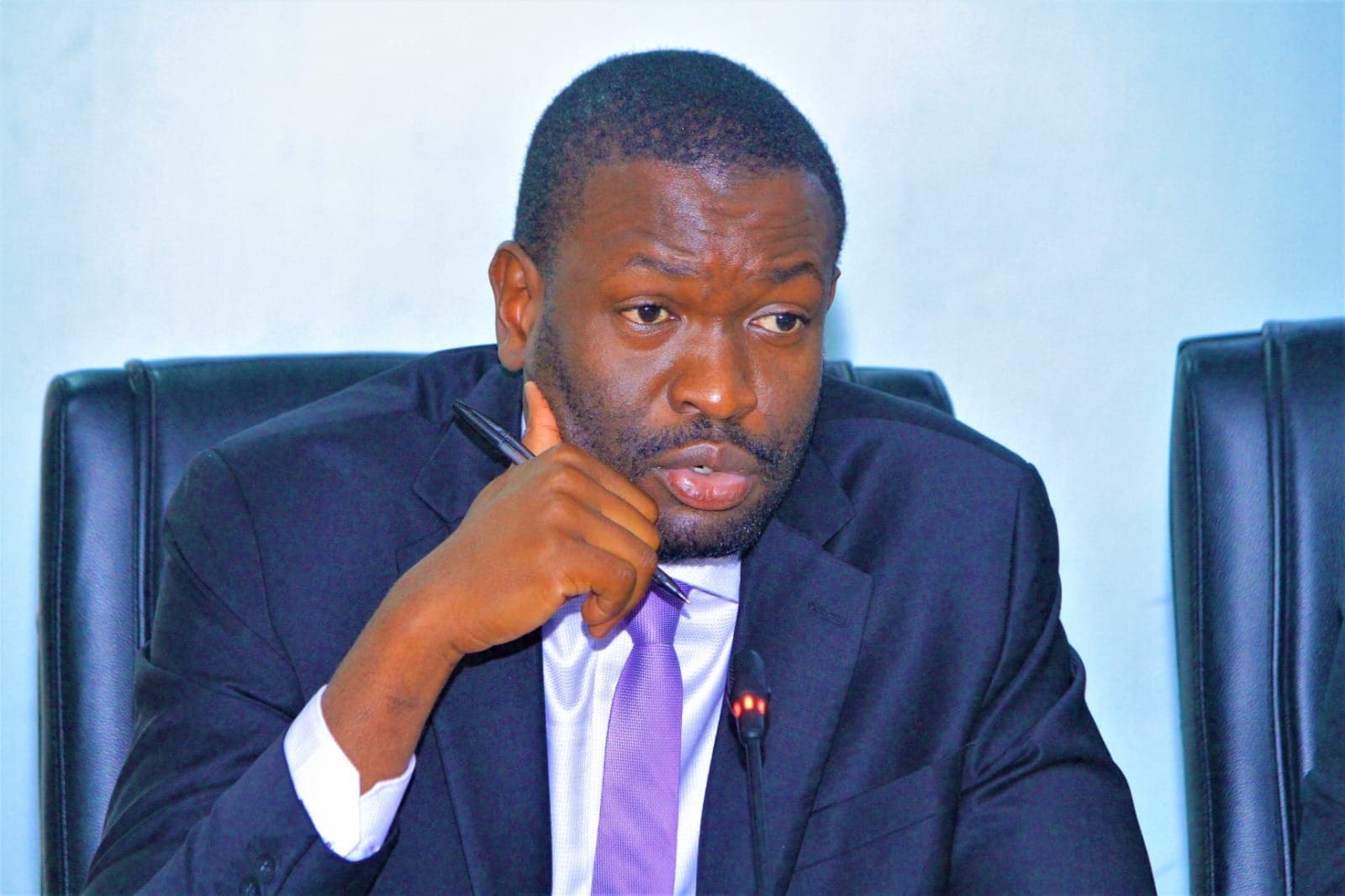
There is also the uncomfortable matter of the party’s institutional memory. Many of the party’s senior figures, including Secretary General Edwin Sifuna, have been vocal about the failures of past electoral cycles and the frustrations of the current political environment. The argument, frequently cited by insiders, is that the party was consistently thwarted by entrenched interests and structural barriers in previous contests. Transitioning to a new leadership under Oburu, who carries the historical weight of the Odinga family name, is seen as a way to maintain traditional loyalty while attempting to recalibrate for future battles.
Supporters on the ground express a mix of anxiety and cautious optimism. For many in the Nyanza heartland, the ODM is not just a party it is an identity. However, as one political analyst from the University of Nairobi noted, "A party cannot survive on nostalgia alone. The transition this Friday will tell us whether ODM is a modern, forward-thinking political institution capable of evolution, or whether it remains trapped in the orbit of its founding family."
The stakes extend beyond the party itself. As a significant player in the Kenyan political landscape, the stability of the ODM has direct implications for national policy debates, parliamentary oversight, and the nature of the upcoming election campaigns. If the convention devolves into open conflict, it could embolden rivals within the UDA and other smaller coalitions to exploit the cracks. Conversely, a successful, orderly transition could provide the party with a much-needed morale boost, signaling to the electorate that it has successfully navigated the most difficult period in its history.
As delegates prepare to cast their votes, the overarching question remains: can the ODM redefine its purpose in a post-Raila era? Governor Wanga’s assertion that the "majority of the party is solid" will be tested in the coming months. The party leadership must move beyond the optics of this week’s event and provide a clear, actionable roadmap for 2027.
The party’s future viability hinges on whether this weekend serves as a genuine rejuvenation or merely a postponement of inevitable internal reckonings. With the 2027 electoral cycle approaching, the window for consolidation is narrowing. The ODM ship is indeed being steadied, but the waters ahead remain dangerously uncharted.
Keep the conversation in one place—threads here stay linked to the story and in the forums.
Sign in to start a discussion
Start a conversation about this story and keep it linked here.
Other hot threads
E-sports and Gaming Community in Kenya
Active 10 months ago
The Role of Technology in Modern Agriculture (AgriTech)
Active 10 months ago
Popular Recreational Activities Across Counties
Active 10 months ago
Investing in Youth Sports Development Programs
Active 10 months ago
Key figures and persons of interest featured in this article