We're loading the full news article for you. This includes the article content, images, author information, and related articles.
As experts gather in Mombasa, the government admits ‘lack of capacity’ is costing the country over KES 10 billion annually while local fishermen return with empty boats.
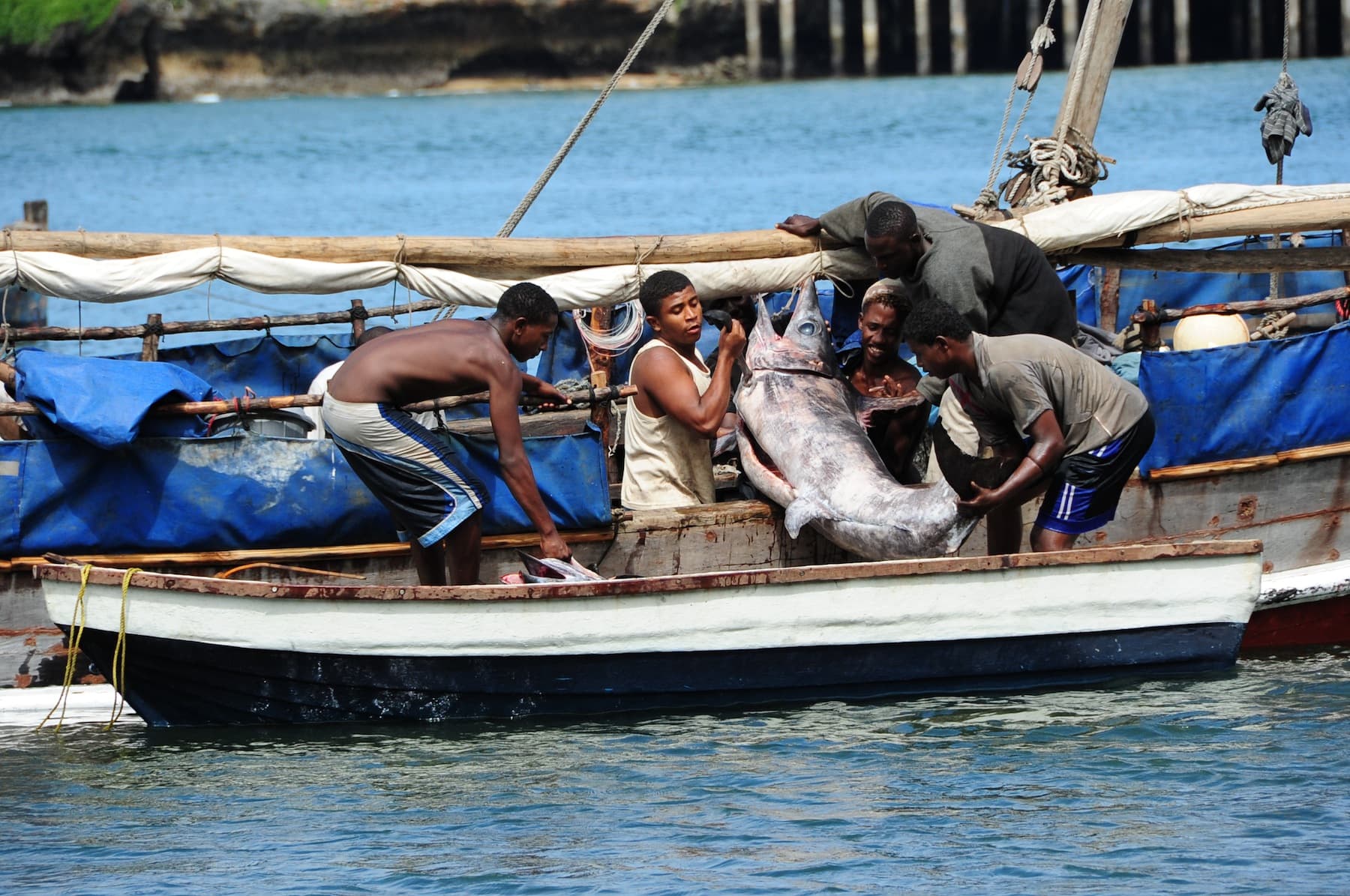
The Indian Ocean is no longer just a frontier of opportunity for Kenya; it has become an active crime scene. While Nairobi’s policymakers speak in glowing terms of a burgeoning “Blue Economy,” the reality on the water is a hemorrhage of national wealth. Experts gathered in Mombasa this week raised a definitive red flag: illegal, unreported, and unregulated (IUU) fishing is not merely an environmental nuisance—it is an economic catastrophe looting the country of an estimated KES 10 billion (approx. $97 million) every year.
The warning, delivered with stark urgency during the Fourth Project Technical Committee meeting organized by the African Union-InterAfrican Bureau for Animal Resources (AU-IBAR), punctures the optimism often surrounding Kenya’s maritime potential. For the artisanal fisherman in Lamu or Kilifi, this is not abstract data. It is the difference between feeding a family and starving.
Mahongah Joseph, Kenya’s Director of Fisheries and Aquaculture Development, did not mince words when addressing the scale of the crisis. He identified the lack of surveillance capacity as the primary open door for foreign exploitation. While Kenya’s Coast Guard Service patrols the waters, the sheer vastness of the Exclusive Economic Zone (EEZ) remains a playground for industrial trawlers—many flagged to nations like China, Italy, and Tanzania—that scoop up tuna, shrimp, and lobster with impunity.
“Overfishing and usage of illegal means of fishing are the biggest concerns,” noted Dr. Huyam Salih, Director of AU-IBAR. She emphasized that protecting these waters is “not an environmental luxury but an economic and social necessity.”
The mechanics of this theft are sophisticated. Foreign vessels often disable tracking systems, use prohibited gear that destroys coral reefs, and transship catches at sea to avoid port inspections. The result is a decimated ecosystem where fish stocks are unable to replenish.
For the wananchi along the coastline, the statistics translate into a grim daily reality. In Lamu, where fishing is the lifeblood of the community, the competition is impossibly skewed. Local fishermen in wooden dhows, armed with simple nets, are pitted against steel-hulled industrial giants capable of harvesting in a single night what a village might catch in a year.
“We see the lights of the big ships at night,” said a fisherman in Old Town Mombasa, who wished to remain anonymous. “By morning, the water is dead. We throw our nets and pull up plastic and baby fish. The big money has already sailed away.”
Mr. Joseph revealed that the government is finalizing a new Blue Economy strategy designed to plug these leaks. The plan promises to address overexploitation and pollution while mitigating climate change. However, critics argue that without immediate investment in high-tech surveillance—drones, satellite tracking, and more patrol boats—policy papers will remain toothless tigers.
The scourge is not unique to Kenya. The entire Western Indian Ocean region is under siege. Dr. Salih warned that aquatic biodiversity is a “strategic pillar for Africa’s food security.” When fish stocks collapse here, the ripple effects are felt in rising food prices in Nairobi and increased poverty in coastal counties.
The meeting in Mombasa also highlighted the intersection of illegal fishing with other maritime crimes, including plastic pollution and labor abuse. The ocean is becoming a lawless frontier where the highest bidder takes all, leaving the host nation with nothing but environmental degradation.
As the conference concluded, the message to the government was clear: The time for diagnosis is over. Unless Kenya asserts aggressive sovereignty over its waters, the Blue Economy will remain a mirage, and the Indian Ocean will continue to enrich foreign capitals at the expense of Kenyan tables.
Keep the conversation in one place—threads here stay linked to the story and in the forums.
Sign in to start a discussion
Start a conversation about this story and keep it linked here.
Other hot threads
E-sports and Gaming Community in Kenya
Active 9 months ago
The Role of Technology in Modern Agriculture (AgriTech)
Active 9 months ago
Popular Recreational Activities Across Counties
Active 9 months ago
Investing in Youth Sports Development Programs
Active 9 months ago